
26 Tubeless MTB Tyres: Fit and Tread Compared

For a named tubeless 26-inch tire, the Michelin Country Trail TS TLR suits mixed terrain at 2.00 inches wide, while Maxxis offers more aggressive 2.30-inch tread choices.
Choose by frame and rim clearance as well as tread: a wider tire needs more room, and tubeless compatibility depends on the rim, tape, valve, and sealant as well as the tire.
We earn a commission if you buy through links on this page. As an Amazon Associate I earn from qualifying purchases. Products are compared on manufacturer specifications, not hands-on testing.
- Best overall: Michelin Country Trail TS TLR 26×2.00 – The Country Trail TS TLR is explicitly tubeless-ready and sized 26×2.00 for mixed terrain.
- Best for rear traction: Maxxis Minion DHR II EXO 26×2.30 – Its 26×2.30 DHR II tread emphasizes braking grip and supported cornering knobs.
- Best for front-style control: Maxxis Minion DHF EXO 26×2.30 – The 26×2.30 DHF combines a fast-rolling center with grippy side knobs.
| Product | Best for | Size | Tubeless fit | Tread focus | Shop |
|---|---|---|---|---|---|
| Michelin Country Trail TS TLR 26×2.00 | Mixed terrain | 26 x 2.00 in | Tubeless-ready | Mixed terrain | Check Price on Amazon |
| Maxxis Minion DHR II EXO 26×2.30 | Rear trail grip | 26 x 2.30 in | Tubeless | Rear braking traction | Check Price on Amazon |
| Maxxis Minion DHF EXO 26×2.30 | Trail cornering | 26 x 2.30 in | Tubeless | Cornering grip | Check Price on Amazon |
26 Tubeless MTB Tyres Compared
Compare width, tubeless compatibility, and tread character to match a tire to your terrain and wheel setup.
Michelin Country Trail TS TLR 26×2.00
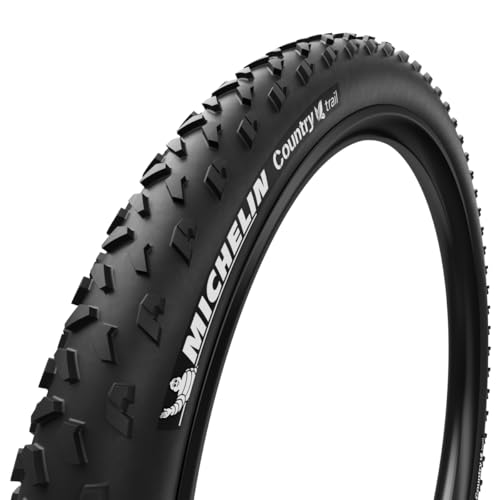
The Country Trail TS TLR is the only explicitly tubeless-ready 2.00-inch option here, making it the narrower choice for recreational mixed-terrain riding. Michelin describes a 3×30 TPI casing, folding bead, and MTB rubber compound; the tire is intended for gravel paths and leisure trails. Its 2.00-inch width can be a better fit where frame clearance limits wider tires, but verify the rim’s tubeless compatibility before converting a wheel. This is a less aggressive tread choice than the two 2.30-inch Minion tires, so riders prioritizing pronounced cornering or braking knobs may prefer those wider options.
Bottom line: Choose this for mixed recreational terrain and a confirmed tubeless-ready 26-inch tire.
Maxxis Minion DHR II EXO 26×2.30

The Minion DHR II brings the most explicitly rear-focused tread in this group, with widened side knobs intended to support cornering and braking traction. It measures 26×2.30 inches and uses Maxxis’ dual compound with EXO sidewall protection; Maxxis says its E25 rating is suitable for light-duty e-bikes with assistance up to 16.1 mph. That combination suits riders seeking a more aggressive trail tire than a mixed-terrain 2.00-inch option. The 2.30-inch width requires more frame and fork clearance, and this rear-specific tread may not be the preferred choice for someone seeking a front-oriented tread balance.
Bottom line: Choose this when rear braking traction and a wider trail tread are priorities.
Maxxis Minion DHF EXO 26×2.30

The Minion DHF differs from the DHR II through a tread balance Maxxis describes as rolling speed alongside braking and cornering traction. This 26×2.30 tire uses dual compound rubber and EXO cut- and abrasion-resistant sidewall material; its E25 rating is for light-duty e-bikes with assistance up to 16.1 mph. It is a plausible fit for riders wanting a wider trail tire with grippy side knobs rather than a narrower mixed-path tire. Its 2.30-inch width still needs adequate frame and fork room, and riders specifically seeking a rear-focused tread should compare the DHR II instead.
Bottom line: Choose this for a wider trail tire with an emphasis on cornering control.
How to Choose 26-Inch Tubeless MTB Tyres
Start with the wheel’s bead-seat diameter and the frame’s clearance, then select tread for the terrain. A 26-inch tire must match a 559 mm bead-seat diameter; the 26-inch label alone does not guarantee a fit if the rim is a different standard. Tire width also changes clearance: compare the installed tire against the chainstays, fork, and seatstays, leaving room for mud and wheel flex. Choose a 2.00-inch tire where clearance is tight or mixed paths dominate; consider 2.25 to 2.30 inches when the frame and rim allow it and more off-road volume is useful. Check rim width recommendations from the wheel maker rather than assuming every 26-inch rim accepts every tire width.
What Tubeless-Ready Means for MTB Tires
A tubeless-ready tire needs a tubeless-compatible rim, airtight rim tape, a valve, and sealant; a tire label by itself cannot make a standard wheel airtight. Tubeless systems usually run lower pressure than tube setups, but pressure depends on rider weight, tire width, rim, terrain, and casing. As a practical starting rule, riders below 4 inches of frame clearance should favor a narrower compatible tire and measure the mounted width before riding. Do not remove a tube from a tire unless the tire and rim are suitable for tubeless use. Check the rim maker’s pressure limit and inspect the bead seating before riding, especially after installation.
MTB Tire Tread for Mixed Paths and Trails
Center knobs affect rolling feel, while shoulder knobs contribute cornering support; braking traction also depends on tread layout, rubber, soil, and setup. For gravel paths and leisure trails, a less aggressive pattern can roll more easily than deep, widely spaced trail knobs. For loose or technical trails, more pronounced shoulder and braking features can provide useful bite, though they may feel slower on pavement. Match the front and rear roles deliberately: front grip supports steering, while rear tread often prioritizes braking and drive traction. A table helps separate these general choices from the distinct tread descriptions of the tires here.
| Riding need | Typical tread direction | Width to consider |
|---|---|---|
| Gravel and leisure paths | Moderate, faster-rolling pattern | 2.00 in |
| Mixed trail use | Versatile center with shoulder knobs | 2.00–2.25 in |
| Loose or technical trails | More supportive shoulder and braking knobs | 2.25–2.30 in |
26-Inch Tire Setup and Safety Checks
Inflate a tubeless tire only within the rim and tire makers’ pressure limits, and never exceed the lower of the two limits. Seat the bead evenly around the rim before riding; an uneven bead can produce a bulge or sudden loss of pressure. Sealant is commonly refreshed every few months because it can dry out, with hot climates and frequent riding often shortening the interval. Carry a tube and a pump or inflator on remote rides, since a sidewall cut may be too large for sealant to close. Recheck tire pressure before each ride and inspect for cuts, embedded debris, and damaged beads.
Frequently Asked Questions
What does 26 inches mean on an MTB tire?
A 26-inch MTB tire commonly fits a 559 mm bead-seat diameter rim. Confirm the rim marking because wheel diameter labels are not interchangeable across every bicycle standard.
Can any 26-inch MTB tire be run tubeless?
No; both the tire and rim need to be tubeless-compatible, with airtight tape, a valve, and sealant. A tube-type tire should not be converted simply by removing its tube.
How much clearance does a 26-inch MTB tire need?
Leave several millimeters around the tire at the fork and frame, with extra room for mud and wheel flex; 4 mm is a useful minimum check, not a guarantee for muddy riding. Measure the mounted tire because actual width changes with rim width.
How often should MTB tubeless sealant be refreshed?
Check sealant every few months and replenish it when it has dried or cannot slosh inside the tire. Heat and frequent riding can shorten the interval, so inspect before long or remote rides.
Should a mountain bike use the same tread front and rear?
Not necessarily; front tread often favors steering grip, while rear tread can emphasize braking and drive traction. Riders commonly use a more cornering-focused front tire and a rear-specific option when terrain demands it.