
Happy Hiney Diaper Rash Cream: Balm Compared by Use

SSF Organics Happy Hiney Baby Salve is the match for shoppers seeking Happy Hiney diaper rash cream: it is a 2-ounce herbal balm with calendula, chamomile and shea butter. Choose a zinc oxide cream or spray instead if you want a product with a zinc oxide concentration or touch-free application.
We earn a commission if you buy through links on this page. As an Amazon Associate I earn from qualifying purchases. Products are compared on manufacturer specifications, not hands-on testing.
- Best overall: SSF Organics Happy Hiney Baby Salve – The Happy Hiney balm combines calendula, chamomile, shea butter and beeswax.
- Best for a higher zinc percentage: Boudreaux’s Butt Paste Maximum Strength – Its formula contains 40% zinc oxide.
- Best for touch-free application: Boogie No-Rub Zinc Diaper Rash Spray – The spray applies with one hand and contains 25% zinc oxide.
| Product | Best for | Zinc oxide | Package size | Format | Shop |
|---|---|---|---|---|---|
| SSF Organics Happy Hiney Baby Salve | Herbal balm | — | 2 oz | Balm | Check Price on Amazon |
| Boudreaux’s Butt Paste Maximum Strength | Higher zinc oxide | 40% | 4 oz | Cream | Check Price on Amazon |
| Boogie No-Rub Zinc Diaper Rash Spray | Touch-free application | 25% | 1.7 fl oz | Spray | Check Price on Amazon |
| Triple Paste Diaper Rash Cream | Large container | 12.8% | 16 oz | Cream | Check Price on Amazon |
| Daktozin Miconazole & Zinc Oxide Cream | Antifungal ingredient | 15% | 3.17 oz | Cream | Check Price on Amazon |
Happy Hiney Diaper Rash Cream and Alternatives
Compare the herbal balm with zinc oxide creams and a touch-free spray by formula and application style.
SSF Organics Happy Hiney Baby Salve

Unlike the zinc oxide creams here, this 2-ounce balm centers on calendula, chamomile and shea butter, with beeswax included to protect from moisture. The maker also describes it as a multipurpose balm for chapped skin and other sensitive areas. Its small-batch, handcrafted positioning may appeal to buyers seeking an herbal formula. Consider the jar size and balm texture when deciding whether it suits your changing routine.
Bottom line: Choose this if you want the Happy Hiney herbal balm rather than a zinc oxide formula.
Boudreaux’s Butt Paste Maximum Strength

At 40% zinc oxide, this cream has a higher stated concentration than the other zinc oxide products in this comparison. The maker says it is fragrance-free and hypoallergenic, and recommends applying it liberally to clean, dry skin as needed, especially around wet diapers. Its 4-ounce tube may suit caregivers who want a concentrated cream rather than an herbal balm or spray. The tradeoff is the thicker ointment-style application, which may be less convenient than a touch-free spray when keeping hands clean is the priority.
Bottom line: Pick this if a 40% zinc oxide cream is your priority.
Boogie No-Rub Zinc Diaper Rash Spray
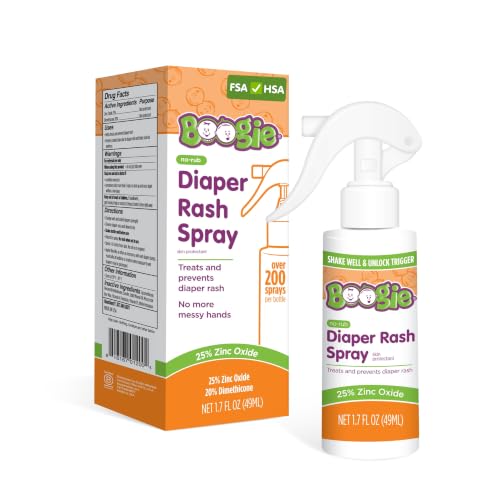
This is the only spray in the group, with 25% zinc oxide and a touch-free, one-handed application. The maker says a bottle provides more than 200 sprays and positions it for use at home or on the go. The spray format can be useful when avoiding direct contact with a sore diaper area matters, while still giving a zinc oxide barrier product. Its package is 1.7 fluid ounces, smaller by volume than the creams compared here, so shoppers prioritizing a larger container may prefer another format.
Bottom line: Choose this for spray application and a 25% zinc oxide concentration.
Triple Paste Diaper Rash Cream

The 16-ounce package makes this the largest container among these products, while its formula contains 12.8% non-nano zinc oxide. Oat extract and beeswax are also named in the formula, distinguishing it from the higher-zinc cream and the herbal balm. This may suit caregivers who want a larger quantity in a conventional cream format. The tradeoff is that its zinc oxide concentration is lower than the 25% spray and 40% cream, so it may not fit shoppers choosing mainly by zinc percentage.
Bottom line: Pick this if a 16-ounce cream container matters more than a higher zinc percentage.
Daktozin Miconazole & Zinc Oxide Cream

This cream differs from the general-purpose barrier products by combining miconazole nitrate with 15% zinc oxide and a white petrolatum base. The maker positions it for yeast-related diaper rash, making it a distinct option rather than a direct substitute for an everyday herbal balm. Its 3.17-ounce package is between the 2-ounce balm and 4-ounce cream in size. Because it contains an antifungal medicine, ask a pediatric clinician whether it is appropriate for a baby’s rash rather than treating an uncertain rash based on appearance alone.
Bottom line: Consider this only when a clinician recommends an antifungal cream for the rash.
How to choose a diaper rash cream
Start with the formula and application style that match your priority: herbal balm, zinc oxide cream, or spray. Zinc oxide percentages in this comparison range from 12.8% to 40%, while the herbal balm does not give a percentage. A higher percentage is a useful formula distinction, but it does not by itself determine which product suits every rash or routine. Creams and balms are spread by hand; a spray can reduce direct contact during application. For routine diaper care, change wet or soiled diapers promptly, clean gently, and let the skin dry before applying a barrier product. If a rash worsens or persists, consult a pediatric clinician rather than simply switching creams.
What zinc oxide percentages tell you
Zinc oxide is used in diaper creams as a skin-protective ingredient, and the products here show how much formulas can differ: 12.8%, 15%, 25%, and 40%. Compare the percentage only among products that state one; the Happy Hiney balm is an herbal formula, not a zinc oxide percentage match. A practical decision rule is to choose by the ingredient type first, then use concentration as a secondary comparison if you specifically want zinc oxide. Do not assume a higher percentage means a product is right for every rash. For a rash that is painful, spreading, or not improving with routine diaper care, seek medical advice.
When to ask about a yeast diaper rash
A rash that persists or worsens despite routine diaper changes and barrier care deserves a pediatric clinician’s assessment; appearance alone cannot reliably identify yeast or another cause. Daktozin combines miconazole nitrate, an antifungal ingredient, with zinc oxide, unlike the other products compared here. That makes it a different kind of product, not a default upgrade from an everyday balm or cream. Ask a clinician before using an antifungal product on an infant, especially if the rash is recurring or involves skin folds. Seek prompt medical guidance for fever, open sores, significant pain, or a rapidly spreading rash.
Frequently Asked Questions
How often should I change a diaper with a rash?
Change wet or soiled diapers promptly rather than waiting for a scheduled interval, and clean the skin gently before applying a barrier product. Frequent moisture and friction can aggravate irritated diaper-area skin.
Should diaper cream go on wet or dry skin?
Apply cream or balm after gently cleaning the diaper area and allowing it to dry. A dry surface helps avoid trapping additional moisture beneath the barrier.
Can I use an antifungal diaper cream without asking a doctor?
Ask a pediatric clinician before using an antifungal cream on a baby. A persistent rash can have causes that are difficult to distinguish by appearance alone.
When should I call a pediatrician about diaper rash?
Contact a pediatrician if the rash worsens, persists despite routine care, or includes open sores, spreading redness, or significant pain. Fever or a rapidly spreading rash warrants prompt medical guidance.