
Cabot Wood Stain Options Compared by Finish and Size

For a natural-looking exterior finish in a gallon size, choose Cabot Wood Toned Stain + Sealer, Cedar: its Cedar color, translucent finish and one-coat application suit bare wood decks and fences. Pick Cabot Gold Finish, Moonlit Mahogany for a Moonlit Mahogany tone or Cabot Australian Timber Oil, Jarrah Brown for a quart of oil-based protection intended to penetrate dense, resin-rich wood.
We earn a commission if you buy through links on this page. As an Amazon Associate I earn from qualifying purchases. Products are compared on manufacturer specifications, not hands-on testing.
- Best overall: Cabot Wood Toned Stain + Sealer, Cedar – A Cedar-toned, translucent finish and one-coat application suit bare-wood decks and fences.
- Best for Moonlit Mahogany: Cabot Gold Finish, Moonlit Mahogany – The gallon comes in a distinct Moonlit Mahogany color.
- Best for dense wood: Cabot Australian Timber Oil, Jarrah Brown – The quart-size oil blend is designed to penetrate dense, resin-rich wood.
| Product | Best for | Color | Container size | Finish or formula | Shop |
|---|---|---|---|---|---|
| Cabot Wood Toned Stain + Sealer, Cedar | Bare wood decks | Cedar | 1 gallon | Flat, translucent; resin and oil | Check Price on Amazon |
| Cabot Gold Finish, Moonlit Mahogany | Rich color finish | Moonlit Mahogany | 1 gallon | Gold Finish; low VOC | Check Price on Amazon |
| Cabot Australian Timber Oil, Jarrah Brown | Dense resin-rich wood | Jarrah Brown | 0.25 gallon | Oil blend; penetrating | Check Price on Amazon |
Cabot Wood Stains Compared
Compare the finishes, colors and formulas to match a Cabot stain to your wood and project.
Cabot Wood Toned Stain + Sealer, Cedar
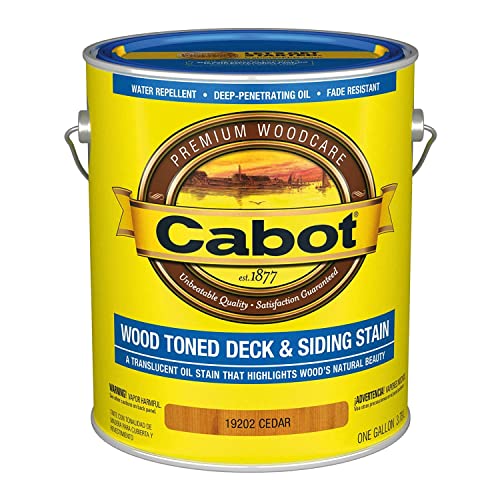
For a translucent Cedar finish in a gallon, Cabot Wood Toned Stain + Sealer, Cedar combines stain and sealer for bare exterior wood. The maker says one coat is required and that the flat finish weathers toward a natural wood hue. Its water-repellent, mildew-resistant formula is intended to help guard outdoor wood against moisture, warping and checking. The product is identified for decks and fences, so it fits projects where visible grain matters more than an opaque color. Because the finish is translucent, it will not conceal the wood’s grain or existing color as a solid coating would.
Bottom line: Choose this for bare outdoor wood when you want a translucent Cedar tone in a gallon.
Cabot Gold Finish, Moonlit Mahogany

Cabot Gold Finish, Moonlit Mahogany stands apart with a Moonlit Mahogany shade and Cabot Gold Finish, rather than the Cedar translucent finish or a penetrating timber oil. The maker describes its look as resembling polished interior floors outdoors and says it protects against sun, water and extreme temperatures. Its gallon size suits a larger project than the quart of Cabot Australian Timber Oil, Jarrah Brown, while the low-VOC designation may matter to buyers comparing product formulas. The product facts do not establish whether this finish is transparent or opaque, so check the finish appearance on the container before choosing it for a specific grain-visibility goal.
Bottom line: Choose this for a Moonlit Mahogany color and a Gold Finish in a gallon.
Cabot Australian Timber Oil, Jarrah Brown
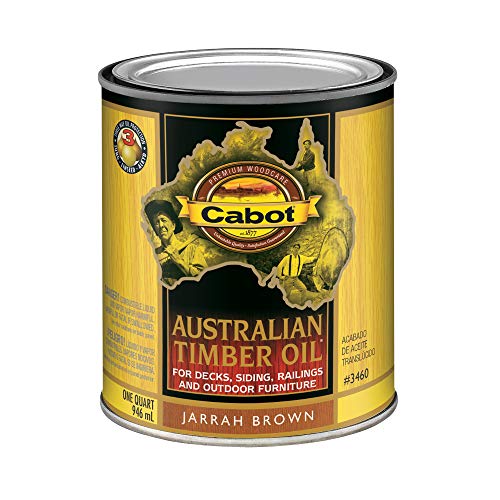
Cabot Australian Timber Oil, Jarrah Brown is the penetrating oil option in this group, and its quart container is smaller than the gallon sizes of Cabot Wood Toned Stain + Sealer, Cedar and Cabot Gold Finish, Moonlit Mahogany. The maker says its three-way oil blend is designed to penetrate dense, resin-rich wood and protect outdoor surfaces exposed to extreme weather. Jarrah Brown adds a deeper wood-toned color, while the product’s purpose is to accentuate natural wood depth and patina rather than present the flat translucent Cedar finish of Cabot Wood Toned Stain + Sealer, Cedar. The quart size is a limitation for broad deck coverage; consider the project area before selecting a smaller container.
Bottom line: Choose this for dense, resin-rich outdoor wood when a quart of penetrating oil suits the project.
How to Choose a Cabot Wood Stain Finish
Choose by how much grain and existing color you want to see: transparent and translucent stains leave more wood character visible, while solid-color stains conceal more. Pigment also helps limit UV damage, so a more opaque finish generally offers more sun shielding than a clearer stain. Among these choices, Cabot Wood Toned Stain + Sealer, Cedar is explicitly flat and translucent; Cabot Australian Timber Oil, Jarrah Brown is an oil blend intended to penetrate dense wood, and Cabot Gold Finish, Moonlit Mahogany has a Gold Finish in Moonlit Mahogany. If preserving visible grain is the priority, favor a translucent or penetrating product; if the color appearance matters more, confirm how the Gold Finish looks on the wood before committing. A small test area helps reveal how the wood’s own color affects the result.
Prepare Exterior Wood Before Staining
Clean, dry wood is the starting point for an even exterior stain finish. New pressure-treated lumber often needs time to dry before coating; water beading on its surface is a practical sign that it may not yet accept stain evenly. Remove dirt, mildew and loose old finish, then let the wood dry fully after washing. For a moisture check, many coating projects use a wood moisture meter and aim for about 15% moisture content or less, though product and wood guidance can differ. Apply stain in a shaded period rather than on hot, sun-heated boards, which can make application uneven. These steps matter especially for translucent finishes, where blotches and prep marks remain visible.
Match Stain Type to Wood and Project Size
Match the formula to the wood rather than relying on color names alone. Penetrating oil stains are commonly selected for dense woods because they soak into the surface instead of building a thick film; Cabot Australian Timber Oil, Jarrah Brown is specifically described as designed for dense, resin-rich wood. Translucent stain-and-sealer products such as Cabot Wood Toned Stain + Sealer, Cedar suit buyers who want grain to remain visible. Cabot Gold Finish, Moonlit Mahogany offers a different Gold Finish, but its exact opacity is not established here. Estimate the surface area before selecting a container: one gallon covers far more area than one quart, but actual coverage changes with wood porosity, texture and application method. When the project includes different wood species, test each species separately because a single stain color can look different on each.
Apply and Maintain an Exterior Wood Stain
Apply stain in manageable sections and keep a wet edge so one area does not dry visibly darker than the next. On decks, coat board ends and avoid leaving puddles between boards; excess stain can remain tacky or wear unevenly. Transparent and translucent finishes typically need more frequent renewal than solid stains because they provide less pigment and leave more wood exposed to sunlight. Inspect horizontal surfaces such as deck boards more often than vertical fences, since standing water and foot traffic wear them faster. Recoat when water no longer beads or the color has faded, after cleaning and drying the surface. For any stain, do not coat damp wood or apply in conditions outside the label’s temperature and weather limits.
Frequently Asked Questions
Will a translucent stain hide old wood color?
No, translucent stain leaves grain and much of the underlying color visible. On weathered or uneven wood, differences in the original surface can still show through, so test a small area first.
How dry should wood be before staining outdoors?
A common target for coating wood is 15% moisture content or less, measured with a moisture meter. Let washed or rain-wet boards dry fully, since damp wood can prevent even absorption.
How does penetrating oil differ from surface stain?
Penetrating oil is designed to soak into wood rather than form a prominent surface film. Dense, resin-rich woods are a common use case, while translucent stain-and-sealer products can leave a more visible finish on the surface.
When should a deck stain be renewed?
Inspect a deck at least once each year, with sun-exposed horizontal boards often needing attention before vertical fences. Fading color or water that no longer beads signals that the protective finish may need renewal.
Can exterior stain be applied to damp wood?
No; let wood dry before staining so the coating can absorb or adhere evenly. A moisture meter reading around 15% or lower is a useful general target, subject to the product label.