
LifeCell Skin Care: 5 Products Compared by Use

For an all-purpose face cream, LifeCell All-in-One Face Cream is the most direct LifeCell skin care match because it combines retinol, vitamin C, DMAE and hyaluronic acid in one formula. Choose another option if you want treatment focused on hands, pores, overnight hydration or the eye area.
These products target different areas and concerns, so choose by intended use rather than treating them as interchangeable steps.
We earn a commission if you buy through links on this page. As an Amazon Associate I earn from qualifying purchases. Products are compared on manufacturer specifications, not hands-on testing.
- Best overall: LifeCell All-in-One Face Cream – Combines retinol, vitamin C, DMAE and hyaluronic acid in a face cream.
- Best for hands: LifeCell Retinol + Vitamin C Hand Treatment – An overnight retinol and vitamin C treatment made specifically for hands.
- Best for uneven tone: LifeCell Niacinamide Serum – Uses niacinamide with vitamin E and papaya seed in a daily serum.
- Best for eyes: LifeCell Overnight Firming Mask – A targeted eye cream includes a cooling metal applicator.
| Product | Best for | Target area | Key ingredients | Size | Shop |
|---|---|---|---|---|---|
| LifeCell All-in-One Face Cream | All-purpose face | Face | Retinol, vitamin C, DMAE, hyaluronic acid | 2.54 oz | Check Price on Amazon |
| LifeCell Retinol + Vitamin C Hand Treatment | Overnight hand care | Hands | Retinol, vitamin C, argan oil | 1 oz | Check Price on Amazon |
| LifeCell Niacinamide Serum | Pores and spots | Face | Niacinamide, vitamin E, papaya seed | 1 fl oz | Check Price on Amazon |
| LifeCell Overnight Firming Mask | Overnight hydration | Face | Alpha lipoic acid, arbutin, squalane | 3.4 oz | Check Price on Amazon |
| LifeCell All-in-One Under Eye Cream | Eye-area care | Under-eye area | Eyeliss, retinol, vitamin C, peptides | 0.67 fl oz | Check Price on Amazon |
LifeCell skin care products by use
Match each formula to its intended area and the concern you want to address.
LifeCell All-in-One Face Cream
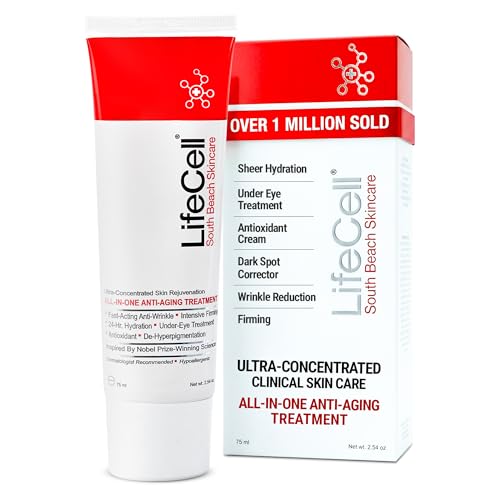
For broad facial use, this cream combines retinol, vitamin C, DMAE and hyaluronic acid rather than focusing on a single area. The maker says it is fragrance-free, paraben-free and suitable for all skin types; the formula also includes plumping micro-fillers. At 2.54 ounces, it is the largest face-focused option here. It may be less suitable for someone seeking a dedicated hand, eye or pore-focused product, since those concerns have separate formulas in this range.
Bottom line: Choose this if you want one facial cream aimed at several visible signs of aging.
LifeCell Retinol + Vitamin C Hand Treatment
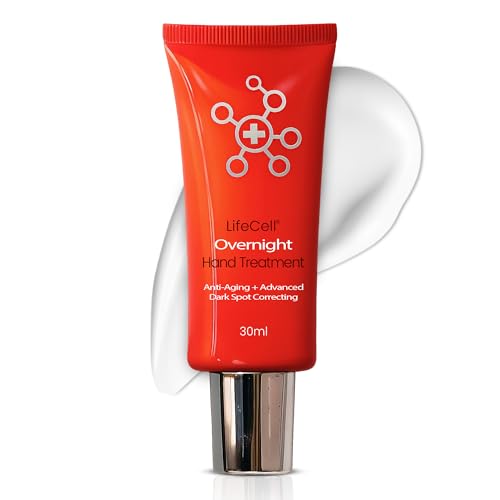
Unlike the facial formulas, this treatment is made specifically for hands and is positioned for overnight use. Retinol, vitamin C and argan oil are the key ingredients, while the maker describes the formula as unscented and non-greasy. The 1-ounce size is compact compared with the face cream and mask. Its focus is dark spots, fine lines and dryness on hands; it is not the right pick for someone primarily seeking a face or eye-area product.
Bottom line: Pick this for a hand-specific overnight routine targeting uneven tone and dryness.
LifeCell Niacinamide Serum

For a serum centered on uneven tone and visible pores, this formula uses niacinamide, also called vitamin B3, with vitamin E and papaya seed. The maker positions it for daily facial use and suggests pairing daytime use with sunscreen or nighttime use with moisturizer. Its 1-fluid-ounce size makes it more targeted than the multi-purpose cream. This is the distinct choice for pore appearance and blemishes, but it is not an overnight mask or dedicated wrinkle cream.
Bottom line: Choose this when visible pores and dark spots are the main facial concerns.
LifeCell Overnight Firming Mask
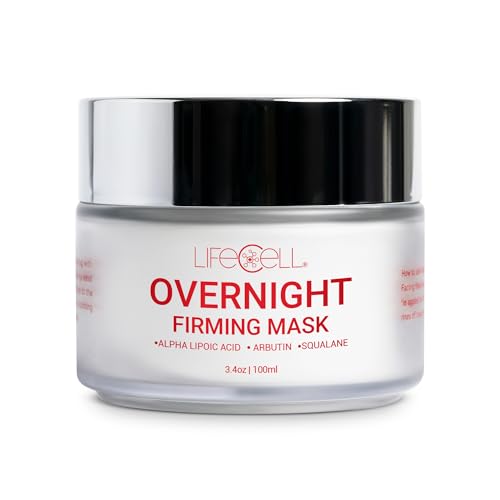
At 3.4 ounces, this is the largest container among the five and the only overnight mask. Its alpha lipoic acid, arbutin and squalane formula is designed to remain on skin while sleeping, without peeling or wiping it off. The maker describes it as hydrating and brightening, with a smoother, firmer-looking finish as its aim. This format suits someone who wants an overnight moisture step, but not someone looking for a lightweight daytime serum or a product for hands.
Bottom line: Pick this for a leave-on overnight facial mask and moisture-focused routine.
LifeCell All-in-One Under Eye Cream

For the delicate under-eye area, this is the only formula here with a cooling metal applicator. The ingredient blend includes Eyeliss, retinol, vitamin C, peptides, hyaluronic acid and Deanol, and the maker says visible improvements can begin within 15 minutes. The 0.67-fluid-ounce package is smaller than the face products, in keeping with its focused application area. Its narrow purpose is an advantage for targeted eye care, but it is not a substitute for a general face moisturizer.
Bottom line: Choose this if you want a dedicated eye-area formula with a cooling applicator.
How to choose LifeCell skin care by concern
Start with the treatment area, then match the formula to the concern: face cream for broad facial use, serum for pores and tone, and dedicated products for hands or eyes. Retinol and vitamin C recur in the face cream, hand treatment and eye cream, while niacinamide distinguishes the pore-and-spot serum. Squalane is the featured moisturizing ingredient in the overnight mask. Those ingredient differences make the formulas complementary in purpose, not interchangeable by default.
Use this guide to narrow the format before considering a routine:
| Need | Format to consider |
|---|---|
| Several facial concerns | All-in-one face cream |
| Uneven tone and visible pores | Niacinamide serum |
| Overnight facial moisture | Leave-on mask |
| Hand or eye-area focus | Dedicated hand treatment or eye cream |
For daytime routines, the serum’s maker specifically pairs daytime use with sunscreen; broad-spectrum SPF 30 or higher is the general dermatology benchmark for exposed skin.
How to introduce retinol and vitamin C
Introduce a retinol product gradually rather than starting with nightly use: a common approach is two nights per week, increasing only if skin tolerates it. Retinol can cause dryness, redness or peeling, and daytime sun protection matters because irritation can make sun exposure harder on skin. These LifeCell options place retinol in a face cream, hand treatment and eye cream, so keep application to the area each is designed for.
Vitamin C is commonly used in daytime routines, while retinol is often reserved for evening; using both does not require layering every formula at once. Patch test a new product on a small area for several days, especially if skin is reactive. Avoid applying retinol to irritated or broken skin, and ask a clinician about retinoid use during pregnancy or breastfeeding.
How to build a routine without doubling products
A simple routine usually needs a gentle cleanser, moisturizer and daytime sunscreen; treatment products are added only for a specific goal. Choose one primary treatment first, then give it several weeks before adding another active product, so irritation is easier to identify. The serum is described for daytime use with sunscreen or nighttime use with moisturizer, while the mask is intended as a final overnight step after cleansing.
Do not assume that every product labeled for aging belongs in one layered routine. If a face cream, eye cream and serum all include actives, use them in their designated areas and stop if persistent burning or rash occurs. A sunscreen labeled broad spectrum and SPF 30 or higher is the practical daytime pairing for routines that include retinol or focus on dark spots.
What to watch for with targeted skin products
Targeted formulas work best when their use matches their area: an eye cream is for the under-eye area, and a hand treatment is not a face moisturizer. The skin around the eyes is thinner and more easily irritated than much of the face, so use only a small amount and keep products out of the eye itself. A cooling applicator may feel soothing, but it does not replace sun protection or treat a medical eye condition.
Dark spots can have different causes, and a changing, bleeding or irregularly colored spot needs medical assessment rather than cosmetic treatment. Keep expectations to visible appearance: cosmetic formulas may improve the look of dryness or uneven tone, but cannot diagnose why a spot or rash has appeared. Introduce one new product at a time and stop use if marked irritation develops.
Frequently Asked Questions
How often should I use a retinol skin care product?
Many people start retinol two nights per week and increase gradually if their skin tolerates it. Dryness, redness and peeling are reasons to reduce frequency or pause, and daytime broad-spectrum SPF 30 or higher is a sensible safeguard.
Can I use niacinamide with vitamin C?
Niacinamide and vitamin C are generally compatible in a routine, and many users can apply them at the same time. Introduce one new formula at a time over several days to spot irritation, and use sunscreen during the day.
Should retinol go on before or after moisturizer?
Retinol usually goes on clean, dry skin before moisturizer, though sensitive skin can buffer it between moisturizer layers. Start with two applications weekly and avoid the eyelids unless the product is specifically made for that area.
Is sunscreen needed when treating dark spots?
Yes, broad-spectrum SPF 30 or higher helps limit UV-driven darkening and protects exposed skin during a spot-focused routine. Reapply about every two hours outdoors and after swimming or sweating.
How long does a new skin care routine take to show changes?
A routine often needs 6 to 12 weeks of consistent use before gradual changes in tone or texture are apparent. Irritation should not be treated as a sign that a product is working; discontinue and seek medical advice if it is severe or persistent.