
Baby Cry Signalers for Deaf Parents: 5 Options Compared

For a baby cry signaler for deaf parents, Bellman Baby Cry Monitor with Bed Shaker is the most complete match because it combines flashing alerts with a bed shaker and adjustable sensitivity and delay. Choose a simpler plug-in alert if you only need a signal in the baby’s room; choose a transmitter-only option if you already have its compatible alert system.
These devices detect crying or sound and send a notice through a receiver or alert unit; they are not a substitute for direct infant supervision.
We earn a commission if you buy through links on this page. As an Amazon Associate I earn from qualifying purchases. Products are compared on manufacturer specifications, not hands-on testing.
- Best overall: Bellman Baby Cry Monitor with Bed Shaker – Pairs bright flashing alerts and a bed shaker with adjustable sensitivity and delay.
- Best for a simple room alert: Sonic Bomb Baby Cry Signaler – Plugs into an outlet in the baby’s room and has adjustable sensitivity.
- Best for a portable alert: Bellman Baby Monitor Pager Receiver System – The pager receiver flashes and vibrates, and the system supports multiple Visit transmitters.
| Product | Best for | Alert method | Sensitivity control | System requirement | Shop |
|---|---|---|---|---|---|
| Bellman Baby Cry Monitor with Bed Shaker | Multi-sensory alerts | Flashing lights, bed shaker, LED indicators | Adjustable sensitivity and delay | Receiver system included per product name | Check Price on Amazon |
| Sonic Bomb Baby Cry Signaler | Plug-in room alert | Immediate alert; method not identified | Adjustable sensitivity | Plugs into baby’s-room outlet | Check Price on Amazon |
| Sonic Bomb Home Aware Baby Cry Kit | Existing HomeAware setup | HomeAware Main Unit alert | Three levels: HI, MED, LO | HomeAware Main Unit sold separately | Check Price on Amazon |
| Bellman Baby Cry Transmitter | Visit system owners | Wireless Visit Smart Home notifications | — | Visit Smart Home system | Check Price on Amazon |
| Bellman Baby Monitor Pager Receiver System | Pager-style notifications | Pager flashes and vibrates | — | Baby cry transmitter and pager receiver | Check Price on Amazon |
Baby cry signalers for deaf parents
Compare the alert style and receiver requirements before choosing a setup for your home.
Bellman Baby Cry Monitor with Bed Shaker

Unlike a room-only signaler, this Bellman system combines bright flashes, colored LED indicators and bed-shaker vibration when it detects a baby’s cry. Its transmitter has adjustable sensitivity and delay settings, giving parents options to tune how it responds to their baby’s sounds. It suits someone who wants both a visual and tactile alert, including during sleep. The product name presents it as a monitor system, but confirm which components are included before ordering if you need a particular receiver or shaker configuration.
Bottom line: Choose this if you want both visual and vibrating notifications.
Sonic Bomb Baby Cry Signaler

This Sonic Bomb model stands apart for its direct plug-in design: the small unit plugs into an outlet in the baby’s room rather than being described as a multi-device wireless system. Its adjustable sensitivity is intended to detect sounds as soft as a baby’s whisper, making it a fit for someone seeking a basic room-based alert. The specifications do not identify how the alert is delivered, so this is a limitation if you require a specific visual or vibrating notification. Check that its alert style suits your needs before choosing it.
Bottom line: Pick this for a straightforward outlet-based signal in the nursery.
Sonic Bomb Home Aware Baby Cry Kit

Unlike a standalone signaler, this Sonic Bomb transmitter sends a detected-sound signal to a HomeAware Main Unit, which is sold separately. Its three sensitivity levels—HI, MED and LO—offer a basic way to adjust detection to the room and household sounds. It suits someone who already owns the compatible main unit and wants to add baby cry detection. The product includes a one-year warranty.
Bottom line: Choose it only if you have or plan to add the HomeAware Main Unit.
Bellman Baby Cry Transmitter
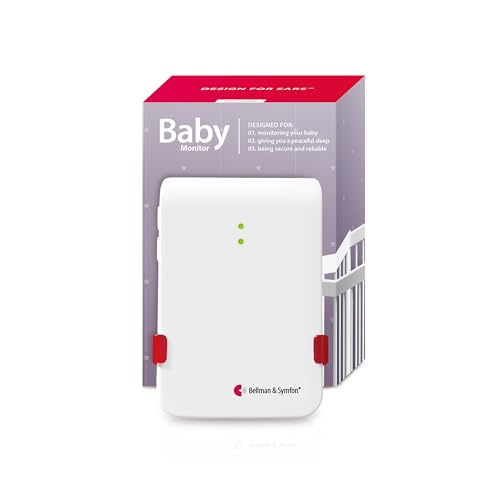
This Bellman transmitter is a component for a Visit Smart Home system, rather than a complete alert setup on its own. It detects baby cries and sends wireless notifications through that system, making it relevant to someone already using compatible Visit receivers. The specifications also describe operation without Wi-Fi and a six-month battery life. Its limitation is compatibility: the transmitter depends on the Visit system to deliver the alert, so it is not the right standalone choice for a household without that setup. Verify system compatibility before ordering.
Bottom line: Pick this as an add-on to a compatible Visit Smart Home setup.
Bellman Baby Monitor Pager Receiver System

This Bellman option is distinguished by its portable pager receiver, which flashes LED lights and vibrates when it receives a baby’s cry signal. The product describes an expandable system that supports multiple Visit transmitters and operates without Wi-Fi or mobile apps. It suits someone who wants to carry a tactile and visual alert rather than rely only on a room-based signal. The setup requires a baby cry transmitter as well as the pager receiver; check that both components are part of the configuration you intend to use.
Bottom line: Choose this if a portable flashing and vibrating pager fits your routine.
How to choose a baby cry signaler
Choose by the alert you can reliably notice and the receiver system you already own. A plug-in signaler may suit one room, while a system with a bed shaker or portable pager can alert you away from the nursery. Sound sensitivity matters too: a setting that is too high can react to ordinary room noise, while a setting that is too low can miss a quiet cry. Adjust sensitivity in the actual room and check the alert from where you sleep or spend time. For a hearing-access setup, prioritize a distinct visual or tactile signal rather than assuming every device uses the same alert method. A transmitter alone needs its compatible receiver to produce an alert.
How to position and adjust a sound detector
Place a sound detector where it can hear the baby’s cry without being blocked by bedding, furniture or a closed cabinet. Keep electronic alert devices and cords outside the crib and beyond a child’s reach; a monitor does not belong in the sleep space. Start with a middle sensitivity setting when one is available, then check whether ordinary household sounds trigger it and whether a cry is detected from the intended location. Change one setting at a time so you can tell what improved the signal. Test the complete chain—from transmitter to receiver, flash or shaker—before relying on it, and repeat after moving the unit or changing rooms.
Standalone signalers and expandable systems
A standalone room unit and a transmitter-and-receiver setup solve different problems. Standalone means the described signal is produced at the unit; a transmitter system depends on a compatible receiver, and a pager or bed shaker adds another alert destination. This table separates those setups by what the specifications establish; it does not imply that similarly named systems are interchangeable.
| Setup type | What it sends or provides | Decision rule |
|---|---|---|
| Plug-in room signaler | Room-based alert; alert method can vary | Choose when the room location is sufficient |
| Transmitter plus main unit | Signal sent to a compatible alert system | Choose only if you have the named system |
| Pager or bed shaker system | Portable vibration and/or visual alert | Choose when you need an alert beyond the nursery |
When a product requires a separate receiver, confirm that the receiver is compatible before buying; a transmitter by itself is not the complete alert path.
Safe use of baby cry alerts
A baby cry signaler is an awareness aid, not a replacement for safe sleep practices or a caregiver’s supervision. Keep monitors, power cords and attached accessories out of the crib and away from a baby’s reach, following the device’s placement requirements. Do not use a sound alert as proof that a baby is breathing normally or safe; sound detection responds to sound, not every condition that may need attention. For dependable awareness, verify the signal at the location where you expect to receive it and check it again after a power interruption or system change. If the alert depends on a separate receiver, test that receiver too.
Frequently Asked Questions
Can a baby cry signaler work without Wi-Fi?
Some systems are described as working without Wi-Fi, including the Bellman options here. A non-Wi-Fi system still depends on its compatible transmitter and receiver, so test the full alert path in the rooms where you plan to use it.
Where should I place a baby cry detector?
Place the detector where an unobstructed sound path to the baby’s cry is possible, but keep it and any cords outside the crib and out of reach. Recheck detection after moving the unit or changing room layout.
What does adjustable sensitivity change on a cry monitor?
Sensitivity changes how readily a sound detector responds to noise. If household sounds trigger alerts, lower the setting; if a cry is missed during a check, increase sensitivity and retest from the intended listening position.
Can I use a transmitter without its receiver?
A transmitter-only product cannot provide its described remote notification without the compatible receiver or main unit. Confirm the required system before choosing a transmitter, then test both parts together.
Are baby cry alarms a substitute for supervision?
No. A cry alarm reports detected sound; it does not continuously assess a baby’s condition or replace caregiver supervision and safe sleep practices. Keep electronic devices and cords outside the crib.