
55-Gallon Drum of Lubricant: 5 Types Compared

A 55-gallon drum of lubricant should match the equipment and lubrication method; the application is the deciding factor among these options. TRUEGARD Way Lube 68 Oil is aimed at machine-tool slides, tables, and feed mechanisms, while Accu-Lube LB2055 MQL Lubricant is an MQL lubricant and Curtis RS 8000 Synthetic Lubricant is a synthetic lubricant with an ISO 46 viscosity claim.
Choose a different type if you need a general-purpose product, petroleum jelly, or a lubricant for another specified use. A 55-gallon drum is a bulk container, so confirm equipment compatibility and your safe storage and transfer setup before committing.
We earn a commission if you buy through links on this page. As an Amazon Associate I earn from qualifying purchases. Products are compared on manufacturer specifications, not hands-on testing.
- Best overall: TRUEGARD Way Lube 68 Oil – Its use directly names machine-tool slides, tables, and feed mechanisms.
- Best for MQL systems: Accu-Lube LB2055 MQL Lubricant – Its name identifies it as a heavy-duty MQL lubricant.
- Best for synthetic lubricant needs: Curtis RS 8000 Synthetic Lubricant – It specifies a PAO synthetic base and ISO 46 viscosity.
| Product | Best for | Intended use | Formulation or feature | Container size | Shop |
|---|---|---|---|---|---|
| TRUEGARD Way Lube 68 Oil | Machine-tool slides | Slides, tables, feed mechanisms | Way oil; enhanced tackiness | 55-gallon drum | Check Price on Amazon |
| Accu-Lube LB2055 MQL Lubricant | MQL equipment | MQL lubrication | Heavy-duty MQL lubricant | 55 gallons | Check Price on Amazon |
| Curtis RS 8000 Synthetic Lubricant | PAO synthetic needs | Not identified | PAO synthetic; ISO 46 | 55-gallon drum | Check Price on Amazon |
| Industrial Petroleum Jelly White | Petroleum jelly use | Not identified | 100% pure petroleum jelly; no fragrances | 55-gallon drum | Check Price on Amazon |
| WD-40 Heavy-Duty Lubricant | General-purpose tasks | General-purpose tasks | Loosens parts; displaces moisture | 55-gallon drum | Check Price on Amazon |
55-gallon drums of lubricant
Match the lubricant type to the equipment before comparing the features of these bulk containers.
TRUEGARD Way Lube 68 Oil

TRUEGARD Way Lube 68 Oil is the clearest fit here for machine-tool slides, tables, and feed mechanisms. The maker says it has enhanced tackiness and frictional performance on slideways, so it is intended for surfaces where way lubrication matters rather than as a general-purpose fluid. The 55-gallon drum suits operations that use this type of oil in bulk. Its application is specific: buyers needing an MQL fluid, petroleum jelly, or a compressor lubricant should choose a different type. Confirm that the equipment calls for way oil before selecting it.
Bottom line: Choose this for machine-tool slideways when the equipment calls for way oil.
Accu-Lube LB2055 MQL Lubricant
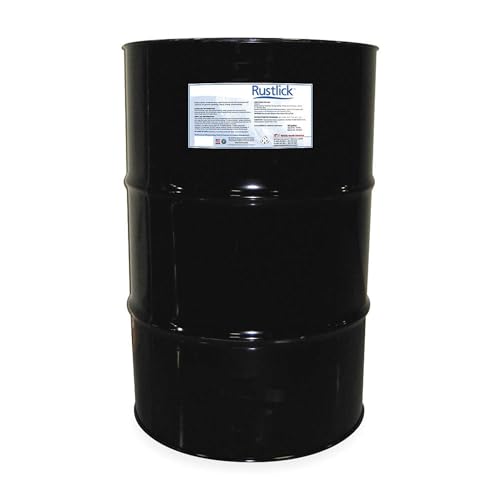
Accu-Lube LB2055 is identified as a heavy-duty MQL lubricant, setting it apart from the way oil and general-purpose lubricant in this group. MQL means minimum quantity lubrication, a method that supplies a small, controlled amount of lubricant near the cutting zone rather than flooding the work area. Buyers should match the fluid to their MQL system and process requirements; this is not the way-oil choice for machine slides or tables.
Bottom line: Pick this when your process specifically uses MQL lubrication.
Curtis RS 8000 Synthetic Lubricant

Curtis RS 8000 stands apart by specifying a PAO full synthetic base and ISO 46 viscosity. The maker claims an 8,000-hour or 12-month lifetime and says the product is replacement-compatible with an OEM product; verify that claim against the exact equipment and lubricant requirement before substituting it. Its 55-gallon drum is a bulk format.
Bottom line: Choose it when your equipment calls for this ISO 46 synthetic lubricant.
Industrial Petroleum Jelly White

Industrial Petroleum Jelly White is petroleum jelly rather than a specified machine oil, distinguishing it from the way lube and MQL lubricant options. The maker describes it as 100% pure and without fragrances or irritants. The 55-gallon drum format is suited to buyers whose intended process specifically calls for petroleum jelly in bulk. Confirm the required material and compatibility for your use before choosing a drum.
Bottom line: Select this only when the intended use calls for petroleum jelly.
WD-40 Heavy-Duty Lubricant

WD-40 Heavy-Duty Lubricant is the general-purpose option here: the maker says it loosens parts, displaces moisture, cleans surfaces, removes adhesives, and protects metal from moisture and corrosive elements. Those uses distinguish it from lubricants aimed specifically at machine-tool slideways or MQL systems. Its 55-gallon drum is a bulk format. The features do not assign it a machine-specific oil grade or application, so it is not the automatic choice for equipment requiring a particular viscosity or specialized lubricant. Check the equipment requirement before substituting a general-purpose product.
Bottom line: Choose it for the maker-described general-purpose tasks when the equipment permits it.
How to choose a 55-gallon drum of lubricant
Start with the equipment’s specified lubricant type and viscosity, not the drum size. Way oils are made for machine-tool slideways; MQL fluids belong in systems that meter very small amounts of fluid to a cutting area; compressor lubricants must match the compressor maker’s requirements. A viscosity grade such as ISO VG 46 describes kinematic viscosity at 40°C, not a universal approval for every machine. Use the equipment manual or nameplate to identify the required grade and lubricant class. If you cannot match those requirements, pause and verify compatibility before ordering a bulk quantity. A wrong fluid can impair lubrication, interfere with seals, or compromise the process, and a 55-gallon drum magnifies the cost and disposal consequences of a mismatch.
Bulk drum storage and transfer
A 55-gallon drum contains about 7,040 U.S. fluid ounces, so plan a stable, compatible storage location and a controlled dispensing method. Keep lubricant containers closed and labeled, protect them from water and dirt, and use clean pumps and containers; contamination can damage lubricated equipment even when the lubricant type is correct. Store drums upright on a level surface and secure them against rolling or falling. Before moving a full drum, use equipment rated for its actual gross weight, including the container, rather than estimating from the lubricant volume alone. Keep spill-control materials nearby and follow the safety data sheet for the particular fluid. Never transfer an unknown lubricant into a container that could be mistaken for food or another chemical.
Lubricant types compared by application
Application is the most useful dividing line among these drum lubricants. The categories below describe the intended role, not interchangeability; product labels and machine requirements still govern the choice. MQL systems meter fluid in small quantities at the cutting process, whereas way oils address sliding machine surfaces. A general-purpose lubricant can serve broader tasks but is not automatically suitable as a machine oil. Petroleum jelly is a distinct product type, not a substitute for every fluid lubricant.
| Need | Relevant type | Match condition |
|---|---|---|
| Machine slides and tables | Way oil | Machine calls for slideway lubrication |
| Metered cutting lubrication | MQL lubricant | System is designed for MQL |
| Compressor service | Compressor lubricant | Grade and type match compressor requirements |
| General tasks | General-purpose lubricant | Equipment permits this product type |
| Specific jelly-based use | Petroleum jelly | Process calls for petroleum jelly |
Safe handling for bulk lubricants
Lubricants can create slip hazards, and some fluids may irritate skin or eyes; consult the product’s safety data sheet and use suitable protective equipment. Keep spills contained and clean them promptly with a method compatible with the product and local disposal rules. Avoid mixing fluids in pumps, reservoirs, or transfer containers: even products with similar names can have different additives and intended uses. Use a dedicated, clearly labeled dispensing setup for each lubricant type. For drums stored indoors, keep them away from ignition sources when the product’s safety information identifies a fire risk, and maintain access for spill response. The specifications do not identify every use-specific handling requirement, so verify those requirements for the exact fluid and workplace.
Frequently Asked Questions
How many gallons does a 55-gallon drum hold?
A 55-gallon drum holds 55 U.S. gallons, or about 7,040 U.S. fluid ounces. The drum itself adds weight and dimensions beyond the contents, so handling equipment must be rated for the full loaded container.
What does ISO 46 viscosity mean for lubricant?
ISO VG 46 is a viscosity grade based on kinematic viscosity at 40°C, with a nominal value of 46 centistokes. It does not by itself confirm compatibility with a particular machine, seals, or operating conditions.
Can way oil replace MQL lubricant?
No, not unless the machine maker approves that substitution. Way oil is intended for sliding machine surfaces, while MQL systems meter fluid to a cutting process and require a compatible fluid.
How should an opened lubricant drum be stored?
Keep an opened drum sealed, upright, labeled, and protected from water and dirt. Use clean, dedicated dispensing equipment; contamination can shorten equipment life even when the lubricant grade is correct.
Can different lubricants be mixed together?
Do not mix lubricants unless their manufacturers and the equipment maker confirm compatibility. Different base oils and additive packages can interact, and even a small amount of contamination may affect performance.