
Period Simulators for Men: 5 Options Compared

TENS 7000 Heat + TENS Period Device is the closest fit for men seeking a period simulator because it is designed for menstrual cramps and combines TENS stimulation with heat therapy. Choose a general-purpose TENS unit instead if you want stimulation for broader muscle discomfort rather than a menstrual-focused wearable.
We earn a commission if you buy through links on this page. As an Amazon Associate I earn from qualifying purchases. Products are compared on manufacturer specifications, not hands-on testing.
- Best overall: TENS 7000 Heat + TENS Period Device – Designed for menstrual cramps and combines TENS with heat and 15 intensity levels.
- Best for adjustable output: TENS 7000 Rechargeable Unit – A rechargeable wired unit with up to 100 mA output and four electrode pads.
- Best for wireless movement: Comfytemp 30-Mode Wireless TENS – Wireless units are designed to avoid cords during movement.
| Product | Best for | Controls or modes | Power | Form factor | Shop |
|---|---|---|---|---|---|
| TENS 7000 Heat + TENS Period Device | Menstrual-focused use | 15 intensity levels | USB-C rechargeable | Flexible wearable pad | Check Price on Amazon |
| TENS 7000 Rechargeable Unit | Broad-body stimulation | Adjustable settings | Rechargeable battery | Wired unit, 4 pads | Check Price on Amazon |
| Comfytemp 30-Mode Wireless TENS | Cord-free sessions | 30 modes | — | Two wireless units | Check Price on Amazon |
| HZ9151B Wireless TENS Unit | Two-area targeting | 48 modes | Charging case | Two wireless units | Check Price on Amazon |
| Mooyee App-Controlled Wireless TENS/EMS | App-based controls | 18 modes | — | Wireless, 2.1-inch units | Check Price on Amazon |
Period simulators and TENS units
Compare the menstrual-focused wearable with general-purpose TENS units by function, controls, and portability.
TENS 7000 Heat + TENS Period Device
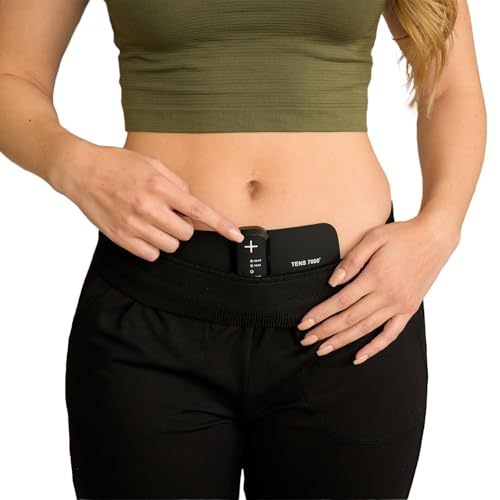
Unlike the general-purpose units here, this device is built specifically for menstrual cramps and pairs electrical stimulation with heat. Its flexible pad measures 7 inches long by 3 inches wide and is 0.25 inch thick, and the design is intended to fit discreetly under clothing. Fifteen intensity levels let the wearer adjust stimulation. The slim form and heat mode may suit someone who wants a wearable, combined-therapy option rather than a larger wired unit. Its focus is menstrual and lower-back discomfort, so it is less versatile for targeting multiple muscle groups around the body.
Bottom line: Choose this when menstrual-focused wearability and heat matter more than broad-body versatility.
TENS 7000 Rechargeable Unit

Unlike the menstrual-specific wearable, this rechargeable TENS 7000 is a general-purpose wired stimulator with four electrode pads and output up to 100 mA. The unit measures 4 by 2.5 by 1 inch, making it a compact handheld controller rather than a flexible pad worn under clothes. Adjustable settings let users tailor stimulation, and the maker describes it for pain relief and muscle recovery across several body areas. It may suit someone who wants a reusable unit for varied body locations; it does not combine stimulation with heat or focus specifically on menstrual cramps.
Bottom line: Pick this for adjustable, wired stimulation across multiple body areas.
Comfytemp 30-Mode Wireless TENS

Unlike the wired controller, the Comfytemp uses two wireless units and offers 30 modes with remote and button control. Its use covers back, neck, and shoulder discomfort, among other muscle areas, and the wireless design is intended to make movement easier during a session. That broad positioning makes it an alternative for someone interested in general stimulation rather than a device made for menstrual cramps. The product name and features do not identify heat therapy or a menstrual-specific wearable pad, so it may not meet a request for those focused functions.
Bottom line: Choose this for cord-free general-purpose stimulation with multiple modes.
HZ9151B Wireless TENS Unit

Unlike devices centered on one wearable pad, this model offers two wireless units and independent controls for two areas at once. Its 48 modes and charging-and-storage case support portable general-purpose sessions, and the maker says the two channels can target different muscle groups or be shared by two users. Those features may suit someone who values independent control over simultaneous areas. The product is described for muscle and back discomfort, not menstrual cramps; no heat therapy or menstrual-specific pad is identified, making it a less direct match than a dedicated period device.
Bottom line: Pick this when independent control over two areas is the priority.
Mooyee App-Controlled Wireless TENS/EMS

Unlike the other wireless options, this Mooyee unit is app-controlled and requires a smartphone to operate. The 2.1-inch square units are 0.43 inch thick, and the product combines TENS and EMS with 18 massage-inspired modes for general muscle soreness and recovery. It may fit someone who prefers phone-based controls and compact wireless units. The smartphone requirement is a meaningful limitation for anyone who wants standalone controls, and the product is not framed as a menstrual-cramp device or as offering heat therapy.
Bottom line: Choose this if app control and compact wireless units suit your routine.
How to choose a period simulator
A period simulator uses electrical stimulation to create sensations associated with menstrual cramps; it is different from a general TENS unit, which delivers electrical pulses through skin electrodes for pain relief. Start with intended use: choose a menstrual-focused wearable if you want a device designed around cramps, and a general unit if you need to target other body areas. TENS sensations usually range from tingling to stronger pulsing, so intensity adjustment matters. TENS is not appropriate for everyone: people with pacemakers or other implanted electrical devices should consult a clinician before using it, and electrodes should not be placed across the chest, on the front of the neck, or on broken skin.
How TENS stimulation works
TENS sends low-voltage electrical pulses through adhesive electrodes, and users adjust pulse strength to a comfortable sensation rather than pushing through pain. Electrode spacing and placement affect the sensation; follow the device’s placement guidance and keep pads off the eyes, throat, and broken or irritated skin. Heat therapy is a separate feature, not an automatic part of TENS, so a combined unit can provide two modalities while a standard stimulator cannot. For a period simulator, check that the pad is intended for the lower abdomen and that its adhesive contact area stays secure as you move; larger general-purpose pads may be less discreet under clothing.
Wearable and general TENS devices compared
A menstrual-focused wearable prioritizes placement and discretion, while general TENS units emphasize broader body-area use or control options. Use the intended fit as the deciding factor rather than mode count alone: a high number of programs does not make a general device menstrual-specific. Compare the main design tradeoffs below.
| Device type | Typical strength | Tradeoff |
|---|---|---|
| Menstrual-focused wearable | Body-conforming placement and discreet use | Less versatile for other muscle groups |
| Wired general TENS | Adjustable stimulation across target areas | Leads and separate pads to position |
| Wireless general TENS | Less cord management during movement | Controls and accessories vary by model |
Safe use and common mistakes
TENS should feel strong but comfortable; reduce intensity or stop if stimulation causes pain, burning, or skin irritation. Never use electrical stimulation in water, while driving, or where a sudden muscle contraction could cause injury. A common mistake is placing electrodes too close together or over sensitive areas; leave enough skin between pads and use only the body placements specified for that device. People who are pregnant, have epilepsy, heart conditions, reduced skin sensation, or implanted electronics should ask a healthcare professional before using TENS, since suitability can depend on the condition and device. Check skin before and after each session, and stop if redness does not settle promptly.
Frequently Asked Questions
Can men use a period simulator?
Men can use a device marketed for menstrual cramps if its instructions permit the intended placement and use. The sensation comes from electrical stimulation through skin electrodes, so comfort and electrode fit are more important than the user’s gender.
What does a period simulator feel like?
TENS commonly feels like tingling, tapping, or pulsing beneath the electrodes. Start at the lowest comfortable setting and stop if the sensation becomes painful or causes persistent skin irritation.
Where should TENS pads go for cramps?
Use only placements intended for that device, typically around the lower abdomen or lower back for cramp-related use. Keep electrodes away from the front of the neck, across the chest, and broken or irritated skin.
Can TENS be used with a pacemaker?
People with pacemakers or other implanted electrical devices should consult their clinician before using TENS. Electrical stimulation can interfere with implanted equipment, and safe use depends on the device and placement.
How long should a TENS session last?
Session duration depends on the device instructions and the user’s health, so begin with a short session and assess skin comfort. Stop for pain, burning, or irritation rather than increasing time or intensity.