
Noor Wonder Lift Cream: 3 Formulas Compared

Noor WonderLift Cream, 1 fl oz is the clearest match for Noor Wonder Lift Cream because it names the WonderLift formula and lists Syn-Ake, vitamin C, and moisturizing ingredients. Choose a different formula if you prefer a larger container or a focus on firming and smoothing rather than a named ingredient list.
These are topical face creams marketed for the appearance of lines, firmness, and hydration; cosmetic claims do not establish how much change an individual will see.
We earn a commission if you buy through links on this page. As an Amazon Associate I earn from qualifying purchases. Products are compared on manufacturer specifications, not hands-on testing.
- Best overall: Noor WonderLift Cream, 1 fl oz – Names Syn-Ake and lists vitamin C, B5, vitamin E, and sodium hyaluronate.
- Best for larger size: Noor Wonder Lift Cream, 1.99 fl oz – The 1.99-fluid-ounce cream comes in the largest face-cream size here.
- Best for mature-skin focus: Noor Wonder Lift Cream, 1 fl oz – Its focus is fine lines, firmness, and elasticity for mature skin.
| Product | Best for | Container size | Named ingredients | Stated focus | Shop |
|---|---|---|---|---|---|
| Noor WonderLift Cream, 1 fl oz | Named ingredients | 1 fl oz | Syn-Ake, vitamin C, B5, vitamin E | Wrinkles and hydration | Check Price on Amazon |
| Noor Wonder Lift Cream, 1.99 fl oz | Larger container | 1.99 fl oz | Natural ingredients (unspecified) | Instant lift and smoothing | Check Price on Amazon |
| Noor Wonder Lift Cream, 1 fl oz | Firming focus | 1 fl oz | Skin Lift Complex (unnamed) | Firming and smoothing | Check Price on Amazon |
Noor Wonder Lift Cream options
Compare the face creams by container size, named ingredients, and the skin-care concerns each formula emphasizes.
Noor WonderLift Cream, 1 fl oz
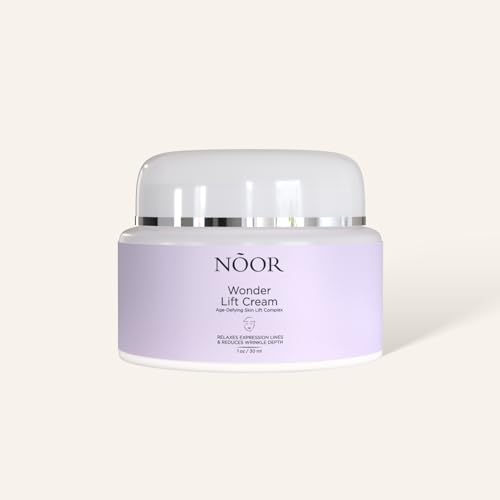
Noor WonderLift Cream, 1 fl oz stands apart by naming its active and moisturizing ingredients rather than relying only on broad firming language. The formula includes Syn-Ake, sodium ascorbyl phosphate (vitamin C), panthenol (vitamin B5), tocopherol (vitamin E), sodium hyaluronate, and glycerin; it is 1 fluid ounce. The maker says it is intended for a range of ages and skin types and claims visible wrinkle changes in a few days. The ingredient list is useful if you are comparing specific components, but the specifications do not establish concentrations or individual results, so ingredient presence alone cannot predict performance.
Bottom line: Choose this if a named ingredient list matters more to you than a larger container.
Noor Wonder Lift Cream, 1.99 fl oz
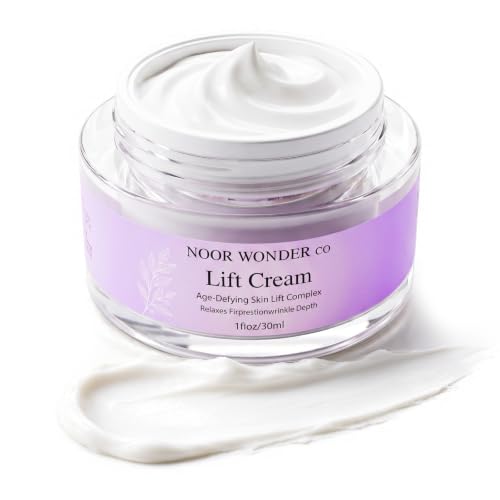
Noor Wonder Lift Cream, 1.99 fl oz is the largest face-cream container among these options at 1.99 fluid ounces. Its focus is an immediate-looking lift and smoothing, with regular-use firming care; the maker also describes the formula as suitable for all skin types.
Bottom line: Choose this if container size and a smoothing focus lead your decision.
Noor Wonder Lift Cream, 1 fl oz

The 1-fluid-ounce size matches Noor WonderLift Cream, 1 fl oz, while its focus centers on expression lines, hydration, and the look of sagging areas. The maker says the cream is intended for all skin types, including sensitive skin. That broad suitability claim cannot rule out a reaction for an individual, and the unnamed complex makes an ingredient-by-ingredient comparison difficult; choose another option if you need to avoid or seek a specific ingredient.
Bottom line: Choose this if a firming emphasis matters more than knowing each complex ingredient.
How to choose a wrinkle face cream
Choose by ingredient needs and routine compatibility, not by a promise of an instant result. Moisturizers commonly combine humectants, which attract water, with emollients that soften the skin; glycerin and sodium hyaluronate are examples of humectant ingredients named in Noor WonderLift Cream, 1 fl oz. A product with a complete ingredient list is more useful if you need to screen for a known sensitivity, while a broad “complex” name does not reveal its component ingredients. For daytime use, pair a moisturizer with broad-spectrum SPF 30 or higher: sun protection is a core part of reducing ongoing UV exposure, while a cream marketed for wrinkles is not a substitute for sunscreen. If ingredient transparency is your priority, favor a formula that names the compounds.
How to introduce a new face cream
Introduce one new product at a time so a reaction is easier to identify. Dermatologists commonly recommend testing a small amount on an area such as the inner forearm twice daily for 7 to 10 days before broader use; stop if redness, itching, or swelling develops. Keep the first application away from eyes, lips, and broken skin, and do not assume that a “sensitive skin” claim guarantees individual tolerance. If you already use a prescription skin treatment, ask a clinician or pharmacist whether adding another leave-on product makes sense, particularly if irritation is already present. A persistent or severe reaction warrants medical advice rather than repeated product trials.
How these face cream types differ
Separate ingredient-led options from claim-led options before deciding. A formula that names ingredients makes screening simpler, but ingredient names alone do not disclose concentration or establish a result; a branded complex may leave more uncertainty about its composition. Container size is a separate comparison: more fluid ounces do not show how much cream each application uses or how long a container will last. Use this guide to match your priority to the information supplied, then check the package ingredient panel if avoiding a particular substance is essential.
| Priority | What to compare | Decision rule |
|---|---|---|
| Ingredient screening | Named ingredient list | Choose a formula that identifies the ingredient you want to evaluate. |
| Container size | Fluid ounces | Compare the amount, not the jar or tube dimensions. |
| Targeted cosmetic focus | Stated skin appearance goal | Match the claim to your concern, without treating it as a guaranteed result. |
What wrinkle creams can and cannot tell you
Cosmetic face creams can moisturize skin and are marketed to improve the appearance of fine lines, but claims do not guarantee a visible change or a specific timeline. Dryness can make fine lines look more noticeable temporarily, so hydration may change appearance without changing the underlying structure of skin. For sun-related aging concerns, daily broad-spectrum SPF 30 or higher and protective clothing address UV exposure more directly than relying on a wrinkle cream alone. Avoid judging a formula from a short-term “lift” phrase: look for ingredients, use directions, and skin tolerance, and stop using the product if it causes irritation.
Frequently Asked Questions
Can a wrinkle cream remove deep facial lines?
A face cream cannot be assumed to remove deep lines; cosmetic moisturizers may soften the look of dryness-related lines. For persistent or deep lines, a dermatologist can discuss options suited to your skin and health history.
How long should I patch test a face cream?
Test a small amount on an area such as the inner forearm twice daily for 7 to 10 days before applying it broadly. Stop if irritation develops, and seek medical advice for a severe or persistent reaction.
Should I use face cream before sunscreen?
Apply moisturizer first and broad-spectrum sunscreen rated SPF 30 or higher afterward in the daytime. Reapply sunscreen about every 2 hours outdoors and after swimming or sweating, following its label directions.
Can I use a new face cream with retinol?
Combining new leave-on products can increase the chance of irritation, especially when retinol is already part of the routine. Introduce one product at a time and pause if burning, redness, or peeling occurs.