
Viakal Classic Limescale Remover: 4 Types Compared

For Viakal Classic limescale remover, choose Viakal Classic Liquid 500 ml, 10-Pack if you want the Classic liquid in a 10-pack for regular bathroom and kitchen use. Choose a spray instead for a spray format, or the gel if you prefer a gel cleaner.
Limescale removers target mineral deposits left by hard water; surface compatibility and safe use matter as much as format.
We earn a commission if you buy through links on this page. As an Amazon Associate I earn from qualifying purchases. Products are compared on manufacturer specifications, not hands-on testing.
- Best overall: Viakal Classic Liquid 500 ml, 10-Pack – Classic liquid in a 10-pack, described for regular use in bathrooms and kitchens.
- Best for single-bottle spray: Viakal Limescale Spray 500 ml – One 500 ml spray bottle, with shine and limescale-removal claims.
- Best for gel format: Viakal Limescale Gel 500 g – A 500 g Viakal limescale cleaner in gel form.
| Product | Best for | Format | Pack size | Intended use | Shop |
|---|---|---|---|---|---|
| Viakal Classic Liquid 500 ml, 10-Pack | Regular cleaning | Liquid | 10 × 500 ml | Bathroom and kitchen | Check Price on Amazon |
| Viakal Limescale Spray 500 ml | Single-bottle spray | Spray | 1 × 500 ml | Kitchen and bathroom | Check Price on Amazon |
| Viakal Limescale Gel 500 g | Gel format | Gel | 1 × 500 g | Limescale cleaning | Check Price on Amazon |
| Viakal Fresh Spray 500 ml, 10-Pack | Fresh spray multipack | Spray | 10 × 500 ml | Bathroom surfaces | Check Price on Amazon |
Viakal Classic Limescale Remover Options
Compare the formats and pack sizes to find a match for your cleaning routine.
Viakal Classic Liquid 500 ml, 10-Pack
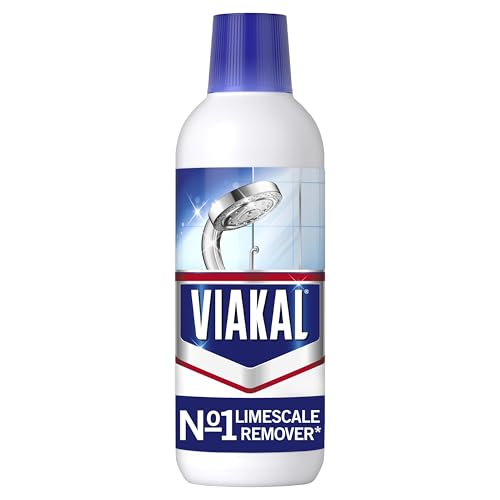
Unlike the single-bottle formats, this is Viakal Classic liquid in a 10-pack, suited to households that want multiple bottles for regular cleaning. The brand says it removes up to 100% of limescale on most common bathroom surfaces, cleans soap scum and other bathroom dirt, and leaves an enduring shine. The maker also describes it as safe for your surfaces and suitable for bathroom and kitchen use. The pack is less suited to someone seeking just one bottle or a spray applicator; check compatibility with your specific surface before use.
Bottom line: Choose this if you want the Classic liquid and a multi-bottle supply for bathroom and kitchen cleaning.
Viakal Limescale Spray 500 ml

This option differs from the Classic multipack by offering one 500 ml spray bottle. The brand says it removes limescale and watermarks without being harsh, leaves a lasting shine in kitchens and bathrooms, and helps prevent limescale from returning. The spray format may suit routine cleaning when you want a single bottle rather than several liquid bottles. Its use centers on kitchen and bathroom surfaces, so buyers looking for the Classic 10-pack or a gel format should choose a different option.
Bottom line: Pick this for a single spray bottle for kitchen and bathroom cleaning.
Viakal Limescale Gel 500 g

The gel format sets this apart from the spray bottles and Classic liquid multipack. It is a 500 g Viakal limescale cleaner, making it a fit for shoppers who specifically want a gel rather than a spray. The product wording identifies it as a limescale cleaner but does not establish a particular room or surface use, so verify suitability for the surface you plan to clean before applying it. Buyers seeking Classic liquid or a spray applicator should consider one of those formats instead.
Bottom line: Choose this when gel is the format you want for limescale cleaning.
Viakal Fresh Spray 500 ml, 10-Pack

This Fresh version combines a spray format with a 10-pack, unlike the single-bottle spray and Classic liquid multipack. The brand says it removes limescale and soap scum, fights malodours, and leaves a long-lasting shine; it also claims anti-droplet technology and says the formula is free from chlorine, ammonia, and bleach. Its emphasis is bathroom cleaning and chrome fixtures. The pack may be excessive if you need only one bottle, and it is a Fresh spray rather than the Classic liquid requested.
Bottom line: Pick this if you want the Fresh spray format in a 10-pack.
How to choose a Viakal limescale remover
Choose by format first, then by how much product you want on hand. Sprays suit people who want a spray applicator, while a gel is a distinct format; the Classic option here is liquid. Pack size separates the one-bottle choices from the 10-packs. For regular cleaning in both kitchen and bathroom, the Classic multipack is the directly matched choice; for a single bottle, compare the spray options instead. Limescale is mineral residue left as hard water dries, and soap scum can collect alongside it, so check which cleaning task the product is intended to address. Before use, confirm compatibility with the exact surface, especially delicate or specialty finishes.
Match the cleaner to the surface
Surface compatibility is the key fit rule: use a cleaner only on surfaces its directions allow, and test an inconspicuous spot if the finish is unfamiliar. Natural stone such as marble and limestone can be damaged by acidic cleaners, so do not assume a limescale product is suitable for stone. Chrome and glazed ceramic are common bathroom finishes, but seals, coatings, and manufacturer care rules can change what is safe. Confirm the surface guidance on the container before applying any limescale remover.
Spray, gel, and liquid formats compared
Format changes application, while pack size changes how many bottles you receive. A spray is ready to apply from its trigger bottle; a gel is a thicker format, and a liquid may be poured or dispensed according to its container. The products here vary in both format and intended use, so use this guide to make the distinction without treating formats as interchangeable.
| Format | Consider it when | Check before use |
|---|---|---|
| Spray | You want a spray applicator | Permitted surfaces and directions |
| Gel | You specifically prefer a gel cleaner | Surface suitability |
| Liquid | You want the Classic liquid format | Application directions |
Regardless of format, observe the product’s application and rinse directions; leaving cleaner on longer is not a substitute for following them.
Safe use and common mistakes
Never mix a limescale remover with bleach or another household cleaner; mixing cleaning products can release hazardous gases or cause harmful reactions. Keep cleaners away from children, avoid contact with eyes and skin, and ventilate the room while cleaning. Use gloves if the container directions call for them. A common mistake is applying a bathroom cleaner to an unverified surface, including natural stone or a specialty coating. Another is combining products to tackle soap scum and mineral deposits at once. Use one cleaner at a time, rinse as directed, and check the surface maker’s care guidance when the finish is uncertain.
Frequently Asked Questions
Can limescale remover damage natural stone?
Yes, acidic cleaners can etch calcium-based stone such as marble and limestone. Do not use a limescale remover on natural stone unless its directions explicitly allow that surface.
Can I mix limescale remover with bleach?
No. Never combine household cleaners; acids mixed with bleach can release toxic chlorine gas, so use one product at a time and rinse as directed.
How can I remove limescale from a faucet?
Use a cleaner only if its directions permit the faucet’s finish, and rinse it as directed. Avoid letting cleaner dry on chrome, plated finishes, seals, or coatings.
Why does limescale come back after cleaning?
Limescale returns when hard water dries and leaves mineral deposits behind. Wiping faucets and shower surfaces dry after use can reduce visible residue between cleanings.