
Clix Blue Light Glasses: Amber and Amber Max Compared

For most people seeking Clix blue light glasses, GUNNAR Clix Amber is the direct match, with an amber lens and the Clix design; choose Gunnar Clix Amber Max instead if you want the more strongly tinted Amber Max lens. The livho and ANYLUV options are alternatives rather than Clix models.
Blue light glasses are eyewear with lenses intended to filter some blue wavelengths, but they do not replace breaks or correct an unsuitable screen setup. If you need clear color perception for photo editing or other color-critical work, consider a clear lens option instead.
We earn a commission if you buy through links on this page. As an Amazon Associate I earn from qualifying purchases. Products are compared on manufacturer specifications, not hands-on testing.
- Best overall: GUNNAR Clix Amber – The Clix Amber lens is the standard-tint Clix option in the products.
- Best for stronger tint: Gunnar Clix Amber Max – Its Amber Max lens is described as offering maximum blue-light filtering and warmth.
- Best for clear lenses: ANYLUV Al-Mg Clear Lens – Its clear lens is described as keeping colors natural without a yellow cast.
| Product | Best for | Lens tint | Frame material | Coating | Shop |
|---|---|---|---|---|---|
| GUNNAR Clix Amber | Standard amber tint | Amber | PEP polymer and stainless steel | G-Shield Plus | Check Price on Amazon |
| Gunnar Clix Amber Max | Stronger amber tint | Amber Max | PEP polymer and stainless steel | G-Shield Plus | Check Price on Amazon |
| livho Black Gaming Glasses | Black frame alternative | Transparent | — | — | Check Price on Amazon |
| ANYLUV Metal Square Frame | Metal frame alternative | — | Metal | — | Check Price on Amazon |
| ANYLUV Al-Mg Clear Lens | Clear lens alternative | Clear | Aluminum-magnesium alloy | — | Check Price on Amazon |
Clix blue light glasses and alternatives
Compare the Clix lens options with related screen glasses by tint, frame construction and stated coating.
GUNNAR Clix Amber

GUNNAR Clix Amber is the standard amber-lens Clix option, while Gunnar Clix Amber Max uses the stronger Amber Max tint. Its square hybrid frame combines PEP-engineered polymer and stainless steel, with a 140 mm width and a 56 mm bridge. GUNNAR says its patented lens blocks blue light and 100% of UV, and its G-Shield Plus coating is anti-reflective and resists smudges and oil. This is the direct fit for shoppers who want the Clix design without choosing the Max tint. Amber lenses can shift perceived colors, so they may not suit color-critical tasks.
Bottom line: Choose this for the Clix design with a standard amber lens.
Gunnar Clix Amber Max

Gunnar Clix Amber Max differs from GUNNAR Clix Amber by using an Amber Max lens rather than the standard amber lens. Its frame combines PEP polymer and stainless steel, and the G-Shield Plus coating is described as anti-reflective and resistant to smudges and oil. GUNNAR says the Amber Max tint provides maximum blue-light filtering and warmth, and that its patented lens blocks 100% of UV. The Clix package includes a microfiber pouch and cleaning cloth, with a 12-month warranty. The stronger tint is the key tradeoff: shoppers who need to judge colors accurately may prefer a clear lens.
Bottom line: Choose this if you specifically want the stronger Amber Max tint.
livho Black Gaming Glasses
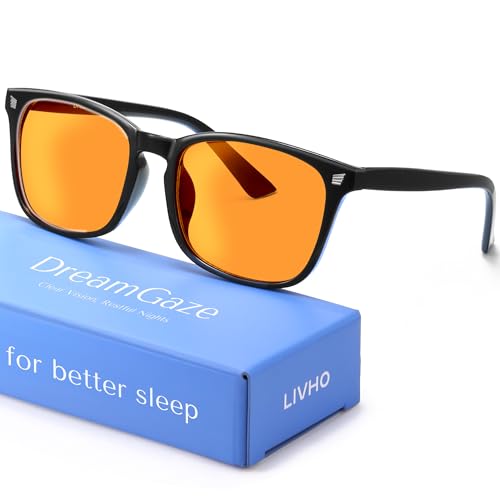
livho Black Gaming Glasses is a black-frame gaming glasses alternative, not a Clix model. Its product name and features identify it as blue-light-blocking eyewear with UV protection and anti-glare positioning, but they do not give a lens tint beyond calling it transparent. The medium size may appeal if you are comparing alternatives by size label, though that label alone cannot establish whether the frame will fit your face. This is a simpler fit for someone open to a non-Clix design.
Bottom line: Choose this if you want a black-frame alternative and do not require the Clix design.
ANYLUV Metal Square Frame
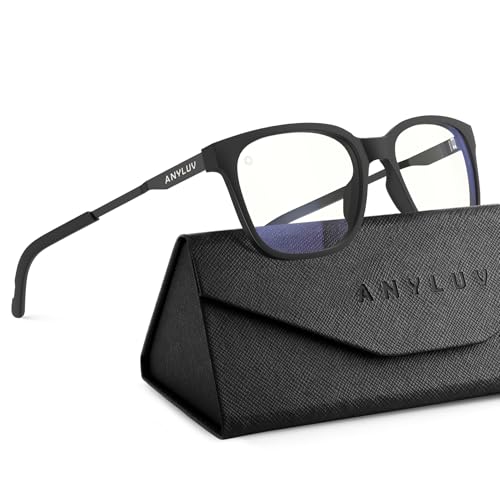
ANYLUV Metal Square Frame stands apart from the Clix models with a metal square frame and a low-color-distortion lens. ANYLUV says the glasses filter high-energy blue light while allowing beneficial blue light to pass, and describes the lens as providing clear, vibrant vision with minimal color alteration.
Bottom line: Choose this if a metal square frame matters more than Clix branding.
ANYLUV Al-Mg Clear Lens

ANYLUV Al-Mg Clear Lens is the clear lens alternative for shoppers who want to avoid an amber cast. Its aluminum-magnesium alloy frame weighs 22.6 g, and the measurements include a 5.55-inch frame width, 2.20-by-1.54-inch lenses, a 0.83-inch bridge and 5.75-inch temples. ANYLUV says the clear lens filters blue-violet glare while keeping colors true. Those measurements make it easier to compare against glasses you already own, but the frame is intended for medium to larger adult faces. It is not a Clix model and lacks the amber tint used by the direct matches.
Bottom line: Choose this if you want a clear lens and can use its frame measurements to assess fit.
How to choose Clix blue light glasses
Choose between the Clix amber lenses by deciding how much tint you want, not by assuming a stronger tint is automatically better. Amber Max is the more strongly tinted option; amber lenses can alter perceived colors, which matters for photo editing, design work and other color-sensitive tasks. A clear lens is generally the more practical direction when color fidelity is essential, though the clear lens alternative here is not a Clix model. Blue-light filtering glasses also do not correct common screen habits: long uninterrupted near focus and reduced blinking can contribute to discomfort. Try the 20-20-20 break rule—every 20 minutes, look about 20 feet away for at least 20 seconds—and adjust screen brightness to suit the room.
Check glasses fit before choosing
Frame measurements are more useful than a size label alone: compare the bridge, lens width and temple length with a pair that already fits. The Clix Amber frame has a 56 mm bridge and 140 mm width, while the clear ANYLUV alternative gives a 5.55-inch total frame width and 5.75-inch temples. Eyewear sizing commonly lists lens width, bridge width and temple length in millimeters; the numbers are usually printed inside the temple arm. A difference of a few millimeters can change how glasses sit, particularly at the bridge or behind the ears. Use those measurements as a starting point, since frame shape and your face dimensions also affect comfort.
Use this quick guide to match the lens choice to your screen tasks.
| Need | Option | Tradeoff |
|---|---|---|
| Clix design, standard tint | Amber | Amber tint affects color perception |
| Clix design, stronger tint | Amber Max | More pronounced tint |
| Clear color appearance | Clear lens alternative | Not a Clix model |
What screen glasses can and cannot do
Screen glasses are one possible comfort preference, not a substitute for managing near-work habits or addressing persistent vision symptoms. A typical desktop viewing distance is about 20 to 28 inches, with the screen positioned so you can read without leaning forward; text size and monitor height can affect that posture. People often blink less during concentrated screen use, so taking breaks and consciously blinking can help reduce dryness for some users. Evidence does not establish that blue-light glasses prevent screen-related eye strain or eye damage, so avoid treating a filtering claim as a guarantee. If headaches, blurred vision or discomfort persist, an eye-care professional can check for prescription or focusing issues.
Keep lenses clear and coatings intact
Clean coated lenses with lukewarm water and a clean microfiber cloth; dry wiping dust across a lens can cause fine scratches. Avoid paper towels and household glass cleaners, which may be abrasive or contain chemicals unsuitable for lens coatings. The Clix products name G-Shield Plus as a coating intended to resist smudges and oil, but that does not make lenses scratch-proof. Store glasses in a protective case when they are not being worn, and rinse grit off before wiping. These habits apply to both tinted and clear lenses and help preserve visibility without relying on a coating claim as a care instruction.
Frequently Asked Questions
Do amber lenses change how colors look?
Yes, amber lenses can shift color appearance, so they are a poor match for tasks that require accurate color judgment. For photo editing or design work, consider a clear lens or remove tinted glasses while checking colors.
How often should I take breaks from a screen?
A common guideline is the 20-20-20 rule: every 20 minutes, look about 20 feet away for at least 20 seconds. Longer breaks can also help interrupt prolonged near focus.
How far away should a computer screen be?
A typical desktop viewing distance is about 20 to 28 inches. Increase text size rather than moving the screen unusually close if small text makes you lean forward.
Can blue light glasses prevent eye damage?
Blue-light glasses should not be treated as protection against eye damage; filtering claims do not establish prevention. Use ordinary eye safety practices and seek professional advice for persistent vision symptoms.
How can I tell whether a frame will fit?
Compare the lens width, bridge width and temple length with glasses that already fit you. A medium label alone is not a reliable fit measurement, and a difference of a few millimeters can change how a frame sits.