
Best Anti Itch Spray for Humans: 3 Options Compared

For most people seeking an anti-itch spray for humans, Cortizone-10 Hydrocortisone Spray, 2.7 oz 3-Pack is the best fit because its 1% hydrocortisone targets itch associated with several kinds of minor skin irritation and its nozzle sprays upside down. Choose Benadryl Extra Strength Cooling Spray, 2 fl oz instead for a compact 2-fluid-ounce bottle or Bactine MAX First Aid Spray, 5 oz when minor wound cleansing and pain relief are also priorities.
These sprays use different active ingredients and are not interchangeable: match the formula to the kind of irritation, and check the product label for age limits and directions.
We earn a commission if you buy through links on this page. As an Amazon Associate I earn from qualifying purchases. Products are compared on manufacturer specifications, not hands-on testing.
- Best overall: Cortizone-10 Hydrocortisone Spray, 2.7 oz 3-Pack – Its 1% hydrocortisone is aimed at itch associated with several minor skin irritations, and the spray works upside down.
- Best for travel: Benadryl Extra Strength Cooling Spray, 2 fl oz – The 2-fluid-ounce bottle is smaller than the other spray options.
- Best for minor wounds: Bactine MAX First Aid Spray, 5 oz – It combines pain relief and cleansing for minor cuts, scrapes, burns and bug bites.
| Product | Best for | Active ingredient | Volume | Main use | Shop |
|---|---|---|---|---|---|
| Cortizone-10 Hydrocortisone Spray, 2.7 oz 3-Pack | Rash-related itch | 1% hydrocortisone | 2.7 oz each; 3-pack | Minor irritation and rash itch | Check Price on Amazon |
| Benadryl Extra Strength Cooling Spray, 2 fl oz | Compact bite relief | 2% diphenhydramine HCl; 0.1% zinc acetate | 2 fl oz | Outdoor itch and weeping rash | Check Price on Amazon |
| Bactine MAX First Aid Spray, 5 oz | Minor wound care | 4% lidocaine; benzalkonium chloride | 5 oz | Minor wound cleansing and pain relief | Check Price on Amazon |
Anti Itch Sprays for Humans Compared
Compare the active ingredient and intended use to choose a spray that matches the irritation you need to address.
Cortizone-10 Hydrocortisone Spray, 2.7 oz 3-Pack

The defining feature of Cortizone-10 Hydrocortisone Spray, 2.7 oz 3-Pack is its 1% hydrocortisone formula, which differs from the antihistamine and wound-care formulas in the other sprays. Each pack contains three 2.7-ounce bottles, and the nozzle sprays upside down to reach awkward areas without applying the product by hand. The maker says the cooling mist helps relieve itch associated with minor skin irritation and rashes, including eczema, insect bites and poison ivy. This is the best match when the itch is tied to inflammation or a rash; it is not the wound-cleansing option. Follow the label’s directions and age restrictions.
Bottom line: Choose this when rash-related itch and upside-down application matter most.
Benadryl Extra Strength Cooling Spray, 2 fl oz
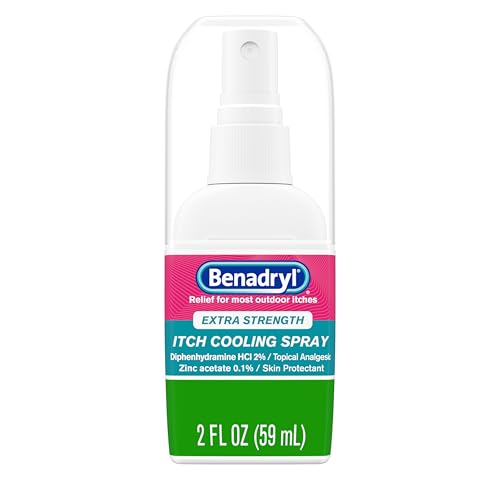
Unlike Cortizone-10 Hydrocortisone Spray, 2.7 oz 3-Pack’s hydrocortisone spray, Benadryl Extra Strength Cooling Spray, 2 fl oz uses 2% diphenhydramine hydrochloride with 0.1% zinc acetate, and its 2-fluid-ounce bottle is the most compact spray here. The maker says it provides temporary cooling relief for outdoor itch associated with insect bites, minor burns, sunburn, small cuts and scrapes, and poison ivy, oak or sumac; it also describes the formula as drying oozing and weeping from those plant rashes. The product is intended for adults and children ages 2 and up. Its small size suits travel, but its uses differ from a spray focused on broad rash-related itch.
Bottom line: Pick this for a compact spray aimed at outdoor itch and bites.
Bactine MAX First Aid Spray, 5 oz

Bactine MAX First Aid Spray, 5 oz stands apart as a first aid wound spray rather than a dedicated rash-itch formula: it contains 4% lidocaine and benzalkonium chloride. The maker says it provides pain and itch relief while cleansing minor cuts, scrapes, burns and bug bites, and says the antiseptic ingredient kills 99% of germs associated with skin infections. Its 5-ounce bottle is larger than the two other spray formats. Choose it when minor-wound cleansing is part of the need; for itch linked to a rash or plant exposure, compare the specifically targeted uses of Cortizone-10 Hydrocortisone Spray, 2.7 oz 3-Pack and Benadryl Extra Strength Cooling Spray, 2 fl oz.
Bottom line: Choose this when minor wound cleansing is as important as temporary pain and itch relief.
How to Choose an Anti-Itch Spray
Start with the kind of irritation, because hydrocortisone, diphenhydramine and wound-care sprays have different roles. Hydrocortisone is a topical corticosteroid used for temporary relief of minor skin irritation and inflammation; diphenhydramine is a topical antihistamine used for itch and minor pain. A wound spray may add an antiseptic ingredient, but that does not make it a general substitute for a rash product. For a broad rash-related itch, look for a formula whose label names that use; for bites, compare the label’s bite indication. For a cut or scrape, prioritize whether the product is intended to cleanse minor wounds. Never apply any spray to broken skin unless its label allows that use, and keep it away from eyes and mucous membranes.
How the Active Ingredients Differ
Hydrocortisone works differently from topical diphenhydramine, so the active ingredient is a better first comparison than the words “cooling” or “maximum strength.” OTC hydrocortisone products commonly contain 1% hydrocortisone; topical diphenhydramine products commonly use 2%, but concentration alone does not establish which is suitable for a particular rash. A topical analgesic such as lidocaine is intended to numb pain, while an antiseptic ingredient is used for wound cleansing. Use the label’s specific indication to make the choice: a rash, an insect bite and a minor wound are not the same problem. If a rash is severe, widespread, infected-looking or persistent, seek medical advice instead of repeatedly changing sprays.
This guide maps the main formula type to the intended need.
| Formula type | Common role | Choose when |
|---|---|---|
| Hydrocortisone | Temporary relief of minor inflammatory itch | The label covers the rash or irritation |
| Topical diphenhydramine | Temporary itch and minor pain relief | The label covers the bite or outdoor irritation |
| Wound-care spray | Minor wound cleansing and pain relief | A cut, scrape or minor burn also needs attention |
Safe Use and Application
Use an anti-itch spray only on the body areas and for the conditions named on its label; OTC hydrocortisone labels generally direct users not to apply it to the face, underarms or groin unless a doctor advises it. Do not spray near the eyes, inhale the mist or cover a treated area with a tight dressing unless directed. Children’s age limits vary by ingredient and product, so check the specific label before use; Benadryl Extra Strength Cooling Spray, 2 fl oz is labeled for ages 2 and up. Avoid combining topical diphenhydramine with other products containing diphenhydramine unless a clinician says to do so. Stop use and seek medical advice if symptoms worsen, persist, or involve a large area.
Common Mistakes When Treating Itch
A frequent mistake is using a wound antiseptic as though it were a rash medicine: cleansing a scrape and calming inflammation are distinct goals. Another is choosing by bottle size or a cooling sensation rather than checking the active ingredient and indication. For poison ivy, oak or sumac, avoid scratching and wash exposed skin and clothing promptly; a spray may ease symptoms but does not remove plant oil from contaminated items. Do not use sprays on deep wounds, punctures, animal bites or serious burns unless a healthcare professional directs you. If there is trouble breathing, facial swelling, severe pain or a rapidly spreading rash, get urgent medical care rather than relying on an OTC spray.
Frequently Asked Questions
How long can I use hydrocortisone spray?
Many OTC hydrocortisone labels advise stopping and consulting a doctor if symptoms last more than 7 days. Use the product’s own directions for frequency and duration, and do not apply it to sensitive areas unless directed by a clinician.
Can I use anti-itch spray on my face?
Do not use it on the face unless its label specifically permits that use or a clinician directs you to. Many OTC hydrocortisone labels warn against facial use, particularly around the eyes.
Is topical diphenhydramine safe for children?
Age limits depend on the specific product; Benadryl Extra Strength Cooling Spray, 2 fl oz is labeled for adults and children ages 2 and up. Check the age directions on the exact product before applying it, and ask a clinician about younger children.
What should I do after poison ivy exposure?
Wash exposed skin and clothing promptly to remove plant oil, which can continue to spread the rash while it remains on surfaces. A topical spray may provide temporary symptom relief, but it does not remove oil from clothing or tools.
When should I get medical care for an itchy rash?
Get medical advice for a rash that is severe, widespread, infected-looking or not improving after 7 days of OTC hydrocortisone use. Trouble breathing or facial swelling needs urgent care.