
PRO Compression Socks: 5 Options Compared by Fit

PRO Compression Marathon, Small/Medium suits shoppers seeking knee-high graduated compression rated 20–30 mmHg, with its compression level and height setting it apart. Choose a different option if you want a multi-pair pack, 15–20 mmHg compression or an ankle-height design.
We earn a commission if you buy through links on this page. As an Amazon Associate I earn from qualifying purchases. Products are compared on manufacturer specifications, not hands-on testing.
- Best overall: PRO Compression Marathon, Small/Medium – Its knee-high graduated design is rated 20–30 mmHg.
- Best for a multipack: FITRELL 3-Pair Knee-High Socks – The package includes three pairs of knee-high socks.
- Best for ankle coverage: TechWare Pro Ankle Compression Socks – The ankle-height design targets foot support rather than knee-high coverage.
| Product | Best for | Compression | Height or design | Pack | Shop |
|---|---|---|---|---|---|
| PRO Compression Marathon, Small/Medium | Graduated knee-high fit | 20–30 mmHg | Knee-high | — | Check Price on Amazon |
| FITRELL 3-Pair Knee-High Socks | Three-pair rotation | 20–30 mmHg | Knee-high | 3 pairs | Check Price on Amazon |
| TechWare Pro Ankle Compression Socks | Ankle-height support | — | Ankle sleeve | — | Check Price on Amazon |
| ACTINPUT Copper Compression, Large/XL | Extended size range | 15–20 mmHg | Knee-high | 4 pairs | Check Price on Amazon |
| CHARMKING 3-Pair Compression Socks, L/XL | Stretch fabric multipack | 15–20 mmHg | — | 3 pairs | Check Price on Amazon |
PRO Compression Socks and Alternatives
Compare compression level, coverage and pack format to find the style that matches your needs.
PRO Compression Marathon, Small/Medium

PRO Compression Marathon, Small/Medium is the only option here explicitly described as having true graduated compression, rated at 20–30 mmHg. The knee-high sock uses a nylon and spandex blend and is made in the USA. The maker says it is intended for activities including running, walking, travel and long work shifts. Its Small/Medium size and black color are the variant. This is the clearest match for shoppers who specifically want the PRO Compression Marathon style, but the size information does not give a calf measurement; confirm the fit against your leg before choosing.
Bottom line: Choose this if you want the named Marathon sock and its 20–30 mmHg graduated compression.
FITRELL 3-Pair Knee-High Socks
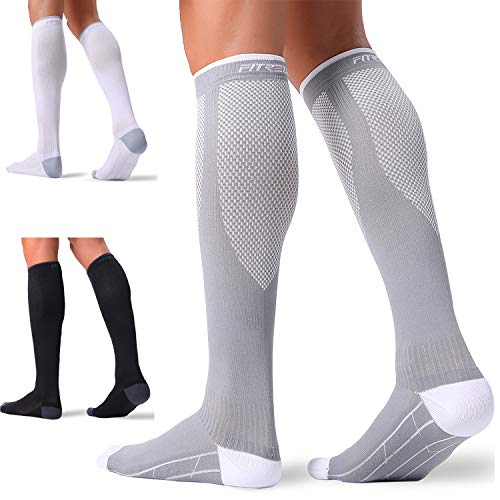
FITRELL 3-Pair Knee-High Socks differs by offering three pairs in black, white and gray rather than a single color option. The maker gives a calf measurement range for Small/Medium of 9–15 inches and recommends choosing by calf size for its 20–30 mmHg compression. The socks have mesh around the calf and a seamless toe, according to the specifications. That sizing guidance makes this option useful when you can compare your calf measurement directly. The fit range overlaps the Large/XL range at 14–15 inches, so measure carefully and resolve the size choice before ordering if your calf falls in that overlap.
Bottom line: Pick this if you want three pairs and can match your calf measurement to the size range.
TechWare Pro Ankle Compression Socks

TechWare Pro Ankle Compression Socks is an ankle-height sleeve rather than a knee-high sock, making its coverage the key difference. The specifications describe lightweight stretch fabric, a closed toe and separate left- and right-foot designs, plus a relaxed top intended to make dressing easier. The maker says the design supports the foot and may suit people seeking support around the heel and arch. No compression rating or size measurement is included in the variant, so it is not directly comparable with the rated knee-high options here. Consider it only if ankle-level coverage, rather than calf coverage, matches your need.
Bottom line: Choose this for an ankle-height, left-right-specific design instead of a knee-high sock.
ACTINPUT Copper Compression, Large/XL

ACTINPUT Copper Compression, Large/XL stands out for its size range, which runs from S/M through 4XL, and its four-pair pack. The Large/XL variant is a knee-high sock rated at 15–20 mmHg, below the 20–30 mmHg rating of the Marathon and FITRELL options. The maker describes the fabric as nylon-based and breathable. This may suit someone seeking a lower compression rating with more size choices across the product line.
Bottom line: Pick this if the 15–20 mmHg level and extended size range suit your fit needs.
CHARMKING 3-Pair Compression Socks, L/XL
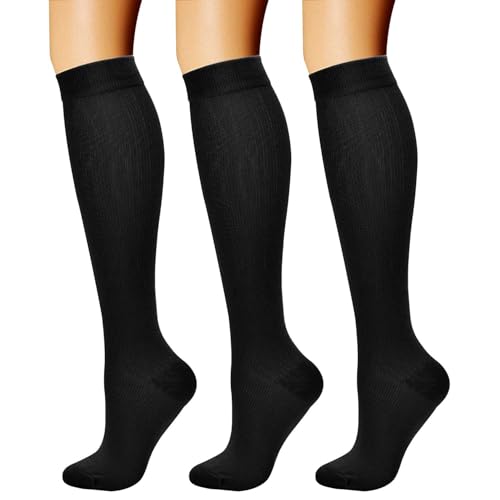
CHARMKING 3-Pair Compression Socks, L/XL combines a three-pair pack with 15–20 mmHg compression, so it differs from the 20–30 mmHg choices in both pressure rating and pack format. The L/XL set is black, and the maker describes the fabric as 85% nylon with 360-degree stretch. The specifications characterize it for athletic activities such as running and cycling. Those specifics may appeal if you want several matching pairs and a lower stated compression range.
Bottom line: Choose this for a three-pair, 15–20 mmHg option with a nylon-rich stretch fabric.
How to Choose Compression Socks
Start with the compression rating and the coverage you need: mmHg measures pressure, while knee-high and ankle designs cover different areas. Graduated compression is designed to apply the greatest pressure near the ankle and less pressure farther up the leg; a uniform rating alone does not establish that a sock is graduated. The options here span 15–20 and 20–30 mmHg, so they are not interchangeable by number alone. For a long calf-coverage need, compare knee-high styles; for foot or ankle coverage, an ankle sleeve is a different format. If you have circulation problems or a diagnosed arterial condition, ask a clinician before wearing compression garments, since compression may not be appropriate for everyone.
How to Measure for Compression Sock Fit
Measure the calf at its widest point and compare that circumference with the maker’s size range; FITRELL gives a 9–15-inch range for S/M and 14–16 inches for L/XL. Since those ranges overlap from 14 to 15 inches, a measurement in that interval may not settle the choice by itself. Shoe size is a secondary fit clue, not a substitute for a calf measurement when the maker specifically prioritizes calf size. Measure both calves if they differ and use the larger measurement when selecting a size. Avoid sizing down just to make a sock feel tighter unless the manufacturer’s fit guidance supports it: excessive pressure can cause discomfort, numbness or skin irritation.
Compression Levels and Sock Heights
Use the rating and the sock’s coverage as separate decision points: 15–20 mmHg and 20–30 mmHg indicate different pressure ranges, while knee-high and ankle-height describe different garment lengths. A product’s compression number does not confirm that it uses graduated construction; the Marathon sock explicitly identifies its design as graduated, while other entries provide ratings without that same claim. For calf coverage, compare knee-high options; for a foot-focused sleeve, consider an ankle format instead. The table summarizes what these terms mean for choosing among the available styles.
| Need | Relevant feature | Choice rule |
|---|---|---|
| Calf coverage | Knee-high height | Choose a knee-high style |
| Foot and ankle coverage | Ankle sleeve | Choose ankle height |
| Specified graduated pressure | Graduated design and mmHg rating | Confirm both are given |
| Lower listed pressure range | 15–20 mmHg | Compare with 20–30 mmHg options |
Putting On and Caring for Compression Socks
Put compression socks on when your legs are dry and relatively free of swelling, often in the morning, and smooth out folds rather than leaving tight bands behind the knee or ankle. A wrinkle can concentrate pressure on a small area and irritate skin. Follow the garment’s care label for washing and drying, since heat and aggressive handling can damage elastic fibers and reduce their stretch. Check your skin after removal, especially if you have reduced sensation; remove the garment and seek medical advice for persistent pain, numbness, color change or skin injury. Compression socks should feel supportive, not cause tingling or make your toes cold.
Frequently Asked Questions
What does 20–30 mmHg mean in compression socks?
The mmHg figure describes the garment’s pressure range; 20–30 mmHg is a higher range than 15–20 mmHg. Choose based on the intended use and professional guidance when you have a medical condition.
Are graduated compression socks the same as regular compression socks?
No: graduated socks are designed to exert more pressure at the ankle and less farther up the leg. A compression rating by itself does not establish that the garment has a graduated design.
How should I measure my calf for compression socks?
Measure around the widest part of your calf and compare the result with the manufacturer’s size range. If your measurement falls within overlapping ranges, check the brand’s fit guidance rather than assuming shoe size will resolve the choice.
Can I wear compression socks while sleeping?
Most people should not sleep in daytime compression socks unless a clinician has recommended it. If you were instructed to wear compression overnight, confirm the correct garment and schedule with that clinician.
When should I stop wearing compression socks?
Remove them if they cause pain, numbness, tingling, cold toes or a change in skin color. Persistent symptoms, skin damage or a known circulation condition warrant prompt medical advice before wearing them again.