
Best Cream for Purpura: 5 Options Compared by Formula

For moisturizing skin with purpura-related discoloration, SKINTENSIVE Arnica Bruise Cream, 4 oz is the closest match because its formula is specifically described for the appearance of purpura and includes arnica and vitamins K, C and E. These creams are skincare, not treatments for the cause of purpura; new, spreading or unexplained purple spots warrant medical advice, especially if accompanied by other symptoms.
Choose a different formula if you want retinol, a balm texture or a product without the vitamin blend; the ingredient mix and texture vary among these options.
We earn a commission if you buy through links on this page. As an Amazon Associate I earn from qualifying purchases. Products are compared on manufacturer specifications, not hands-on testing.
- Best overall: SKINTENSIVE Arnica Bruise Cream, 4 oz – Specifically formulated for the appearance of purpura, with arnica and vitamins K, C and E.
- Best for retinol: DerMend Bruise Cream, 4.5 oz – Combines retinol, ceramides, arnica oil and vitamin K in a 4.5-ounce cream.
- Best for balm texture: Vigority Helichrysum Balm, 3.4 oz – Uses a balm format with helichrysum, arnica and calendula.
- Best for larger size: Arnica Cream with Vitamin K2, 120 g – Provides 120 g (4.2 oz) with arnica, vitamin K2, C and E.
| Product | Best for | Size (oz) | Highlighted ingredients | Formula type | Shop |
|---|---|---|---|---|---|
| SKINTENSIVE Arnica Bruise Cream, 4 oz | Purpura appearance | 4 oz | Arnica, vitamins K, C, E | Cream | Check Price on Amazon |
| DerMend Bruise Cream, 4.5 oz | Retinol and ceramides | 4.5 oz | Retinol, ceramides, arnica oil | Cream | Check Price on Amazon |
| Arnica Bruise Cream Extra Strength, 4 oz | Sensitive skin | 4 oz | Arnica Montana, vitamins K, C, E | Cream | Check Price on Amazon |
| Vigority Helichrysum Balm, 3.4 oz | Botanical balm | 3.4 oz | Helichrysum, arnica, calendula | Balm | Check Price on Amazon |
| Arnica Cream with Vitamin K2, 120 g | Vitamin K2 formula | 4.2 oz | Arnica, vitamin K2, C, E | Cream | Check Price on Amazon |
Creams for Purpura-Prone Skin
Compare the ingredient blends and textures, and keep in mind that skincare creams address appearance and moisture rather than the underlying cause of purpura.
SKINTENSIVE Arnica Bruise Cream, 4 oz

Among these options, this cream most directly addresses purpura-related appearance: its formula is described for bruises, purpura and discoloration on thin, delicate skin. The 4-ounce coconut-oil-based cream combines arnica flower extract with vitamins K, C and E, and is described as non-greasy and fast-absorbing. It may suit someone looking for a daily moisturizer for easily marked areas such as hands, arms or legs. Its purpose is cosmetic skin care, not treatment of why purpura occurs, so unexplained or worsening purple spots need medical evaluation.
Bottom line: Choose this if purpura-related appearance and a non-greasy cream are your priorities.
DerMend Bruise Cream, 4.5 oz
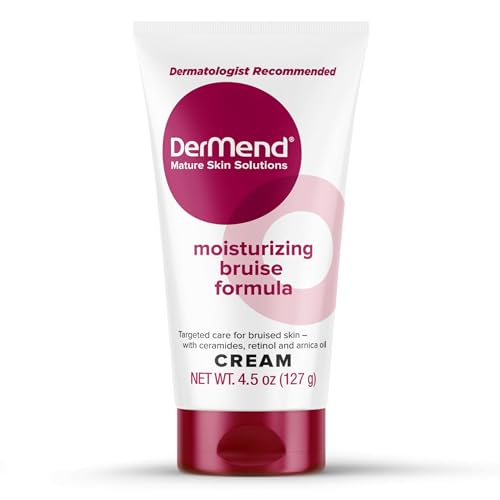
Unlike the vitamin-focused blends, this 4.5-ounce cream highlights retinol and multiple ceramides alongside arnica oil and vitamins K and C. The maker positions it for mature, thin skin and bruise appearance on areas including arms, legs and hands; it also emphasizes moisturizing. It may fit buyers who want a formula with barrier-conditioning ingredients as well as retinol. Retinol can irritate sensitive skin, so this is not the right pick for someone who already reacts to retinoids or needs a simple formula; do not apply skincare over broken skin.
Bottom line: Pick this if you want retinol and ceramides in a cream for mature skin.
Arnica Bruise Cream Extra Strength, 4 oz

This 4-ounce cream pairs Arnica Montana with vitamins K, C and E, and adds coconut oil and shea butter for moisture. The maker describes it as intended for sensitive or thinning skin and use on the face, hands, arms and legs. That face-and-body positioning distinguishes it for shoppers considering several application areas, while the lightweight, non-greasy formula may appeal to those who dislike a heavy finish. The formula still contains multiple ingredients, so it may not suit anyone with known sensitivity to arnica or another component.
Bottom line: Choose this for an arnica-and-vitamin cream with a non-greasy feel.
Vigority Helichrysum Balm, 3.4 oz

This is the only balm in the group, with helichrysum, arnica and calendula rather than a highlighted vitamin blend. The maker describes it as a moisturizer for mature, thin and fragile skin, emphasizing hydration and support for the skin’s moisture barrier. Its 3.4-ounce balm format suits someone who prefers a balm over a cream and wants a botanical-focused formula for dry or rough skin.
Bottom line: Pick this if you prefer a botanical balm and do not need a vitamin blend.
Arnica Cream with Vitamin K2, 120 g

This formula stands out for naming vitamin K2 and listing 120 g (4.2 oz), slightly more than the other 4-ounce creams. Its highlighted ingredients include Arnica Montana, vitamins C and E, Centella Asiatica and hesperidin; the maker positions it for thin, fragile and mature skin and visible discoloration. It may suit buyers who want those additional ingredients in a cream for face and body. The formula is described as an appearance-focused skincare product, not a solution for the medical cause of purpura, and its ingredient list may not suit every sensitive-skin routine.
Bottom line: Choose this if vitamin K2 and the additional listed ingredients matter to you.
How to Choose a Cream for Purpura-Prone Skin
Choose by the skin-care goal and ingredient tolerance, not by expecting a cream to treat purpura itself. Purpura is purple discoloration caused by blood leaking beneath the skin; creams may moisturize or support the appearance of skin, but they do not address the cause. Compare the formula type first: four options here are creams and one is a balm. Then check the named ingredients against your sensitivities: several use arnica, while retinol appears in only one formula and may irritate some skin. A useful decision rule is to avoid a retinol formula if retinoids have irritated your skin before, and choose a simpler routine instead. For new or unexplained spots, ask a clinician about the cause before relying on skincare.
When Purple Spots Need Medical Attention
Seek medical advice for sudden, spreading or unexplained purpura rather than trying to manage it with cream alone. Purpura can be associated with fragile skin, medicines that affect clotting, or other medical conditions, and the appearance alone does not identify the cause. Get urgent care for purple spots with severe headache, confusion, trouble breathing, fever or significant bleeding. If spots recur, appear without a clear bump, or coincide with a new medicine, contact a clinician and share the timing and any medication changes. Do not stop a prescribed medicine on your own. Cream may help with dryness, but it cannot determine whether a medicine or health problem is involved.
How to Apply Moisturizer to Fragile Skin
Apply moisturizer gently to intact skin and avoid rubbing or massaging fragile areas. Thin skin can tear more easily with friction, so use light strokes and a small amount; skip open cuts, raw areas and irritated patches unless a clinician advises otherwise. A new product is best introduced on a small area first, especially if it contains arnica, fragrance or retinol, which may irritate some people. Stop using it if burning, rash or worsening irritation develops. Reduce avoidable bumps by covering exposed arms or legs during tasks where they may strike furniture, and keep nails smooth to limit accidental scratches. These steps support skin comfort but do not prevent all purpura.
How These Purpura Creams Differ
The main practical differences are the formula format and highlighted ingredients, not proof that one treats purpura better. Use the table to match a preference to a product; ingredient presence does not establish that a cream can resolve purple spots or the reason they formed. Creams with vitamin K and arnica appear in several options, while retinol and ceramides distinguish one formula and the helichrysum option is a balm. If you have known ingredient allergies or a skin condition, check the full package ingredient list with a pharmacist or clinician before use.
| Need | Formula feature to prioritize |
|---|---|
| Purpura appearance focus | Formula specifically describes purpura |
| Retinol and ceramides | Formula listing both |
| Botanical balm texture | Helichrysum, arnica and calendula balm |
| Vitamin K2 | Formula listing vitamin K2 |
Frequently Asked Questions
Can a cream make purpura go away?
A skincare cream cannot treat the underlying cause of purpura. Some creams moisturize skin or are formulated for the appearance of bruising, but new or unexplained purple spots should be discussed with a clinician.
How can I tell purpura from a regular bruise?
Appearance alone may not reliably distinguish them, since both can look purple or red beneath the skin. A spot that appears without a known bump, spreads, recurs or comes with other symptoms merits medical advice.
Is arnica cream safe for sensitive skin?
Arnica can irritate some people or cause a skin reaction, so try a small amount on intact skin first and stop if a rash or burning develops. Avoid applying it to broken skin, and ask a clinician or pharmacist if you have known allergies.
Should I use retinol cream on fragile skin?
Retinol can irritate sensitive or fragile skin, so avoid it if retinoids have caused irritation for you before. Introduce any new topical product cautiously on intact skin and stop if irritation develops.
When should purple spots be checked by a doctor?
Arrange medical advice for sudden, spreading, recurrent or unexplained purple spots, particularly if you take medicine that affects clotting. Seek urgent care if purple spots occur with severe headache, confusion, breathing trouble, fever or significant bleeding.