
Garbage Can for Dorm: 4 Compact Options Compared

UUJOLY 3.5-Gallon Wastebasket is the best fit for most dorm rooms because its 3.5-gallon capacity and rectangular shape suit everyday waste without taking up much floor space. Choose a lidded option instead if you want waste covered or prefer hands-free disposal.
A dorm wastebasket is a small bin for everyday room waste; separate recycling and food waste according to campus rules.
We earn a commission if you buy through links on this page. As an Amazon Associate I earn from qualifying purchases. Products are compared on manufacturer specifications, not hands-on testing.
- Best overall: UUJOLY 3.5-Gallon Wastebasket – Its 3.5-gallon capacity and rectangular shape make it a practical open bin for dorm-room waste.
- Best for hands-free use: Slim 2.1-Gallon Step Can – A pedal opens the lid, and its slim shape is designed for small spaces.
- Best for a removable liner: CEROELDA 1.3-Gallon Step Can – The 1.3-gallon stainless-steel can has a removable inner bucket.
- Best for narrow gaps: Cesun 1.6-Gallon Slim Step Can – Its 5.9-inch width is a useful fit for tight spaces.
| Product | Best for | Capacity | Opening style | Shop |
|---|---|---|---|---|
| UUJOLY 3.5-Gallon Wastebasket | Everyday room waste | 3.5 gal | Open top | Check Price on Amazon |
| Slim 2.1-Gallon Step Can | Lidded small spaces | 2.1 gal | Pedal or handle | Check Price on Amazon |
| CEROELDA 1.3-Gallon Step Can | Quiet lid closing | 1.3 gal | Step pedal | Check Price on Amazon |
| Cesun 1.6-Gallon Slim Step Can | Very narrow spaces | 1.6 gal | Step pedal | Check Price on Amazon |
Garbage cans for dorm rooms
Match capacity and lid style to the space available and the kind of waste you expect to toss.
UUJOLY 3.5-Gallon Wastebasket
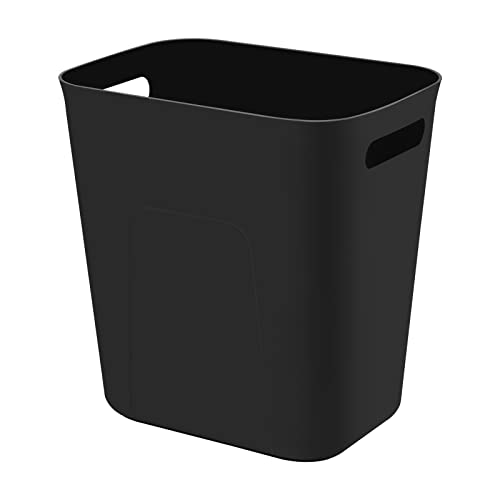
UUJOLY 3.5-Gallon Wastebasket is the straightforward open wastebasket in this group, with a 3.5-gallon capacity and rectangular shape for tucking beside a desk or cabinet. Its plastic body can be wiped clean with a damp cloth, and the maker describes it for dorm rooms as well as bathrooms and offices. The open top makes quick disposal easy, but it leaves waste uncovered; choose a lidded can if containing scraps or keeping the bin out of sight matters more. A separate recycling container may also be needed if your residence hall collects recyclables apart from room trash.
Bottom line: Choose this open bin for routine paper and packaging waste in a dorm room.
Slim 2.1-Gallon Step Can
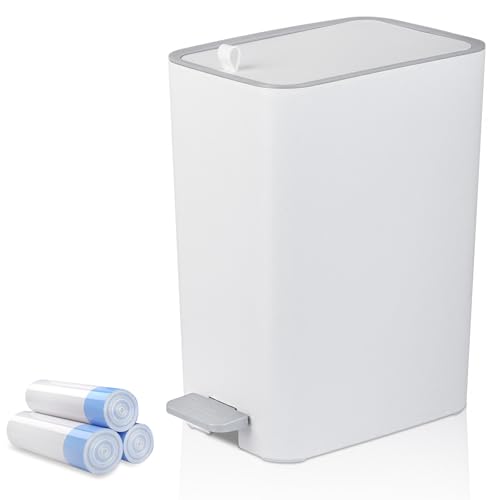
Slim 2.1-Gallon Step Can adds a lid and two ways to open it: a step pedal or a silicone handle. Its stay-open lid holds at 90 degrees, which can help when changing a liner or doing repeated disposal. The slim plastic design is intended for narrow spots such as under a sink, and a back handle helps move the can. At 2.1 gallons, it holds less than UUJOLY 3.5-Gallon Wastebasket, so it suits a room where covering waste matters more than maximizing capacity. The measurements do not give a clear footprint, so confirm the fit if the space is especially tight.
Bottom line: Pick this when you want a covered bin with pedal access in a compact room.
CEROELDA 1.3-Gallon Step Can

CEROELDA 1.3-Gallon Step Can is the smallest-capacity choice here, at 1.3 gallons, and pairs a stainless-steel exterior with a removable plastic inner bucket. The maker describes a soft-close lid and a stay-open position at 90 degrees; the pedal allows hands-free opening. This combination is useful where the bin needs to sit in a narrow bathroom or bedroom corner and where lifting out a liner bucket is preferable to removing a bag from the can. The tradeoff is frequent emptying: its capacity is under half that of UUJOLY 3.5-Gallon Wastebasket, so it is less suited to a busy shared room.
Bottom line: Choose this if a small footprint and lift-out inner bucket matter most.
Cesun 1.6-Gallon Slim Step Can

Cesun 1.6-Gallon Slim Step Can is the narrowest choice by the measurement provided: its maker gives a 5.9-inch width and 1.6-gallon capacity. The matte-black stainless-steel can has a step pedal, soft-close lid and removable inner bucket, with an anti-fingerprint finish claimed by the maker. Its slim profile suits a gap where a wider wastebasket will not fit, but the modest capacity means it may need emptying more often than UUJOLY 3.5-Gallon Wastebasket. The dimensions vary between specifications, so confirm the can’s actual width and depth against your intended spot before choosing it for a tight gap.
Bottom line: Pick this for a very narrow spot, after checking the fit dimensions.
How to choose a dorm garbage can
Choose capacity based on how often you can empty the bin and whether it will hold food scraps. A 1- to 2-gallon can works for light daily waste in a private room, while a 3- to 4-gallon bin gives more room between trips to a trash room. Open-top cans are fastest to use for dry paper and wrappers; a lid is more useful for concealing waste or containing odors. Measure the floor space, including room to open a pedal lid, before settling on a shape. Keep recycling separate when the residence hall provides a distinct collection stream, and do not put batteries or electronics in ordinary room trash; use the campus collection process.
Open-top versus lidded dorm bins
An open bin is simpler to access, while a lidded model covers the contents between disposal trips. Open cans make sense for mostly dry waste such as paper and packaging, but they do not contain smells or hide the contents. Pedal lids allow hands-free access; lift-out inner buckets make it easier to carry waste to a larger receptacle. A can with a stay-open lid can help during liner changes, but it occupies vertical clearance when open. Use this quick guide to match the waste and room setup:
| Room need | Can style |
|---|---|
| Dry paper and wrappers | Open-top wastebasket |
| Covered waste | Lidded can |
| Frequent liner changes | Stay-open lid or removable bucket |
Do not use a small room trash can as a substitute for the building’s designated recycling or battery collection.
Measure the space before choosing
Measure the available floor width and depth in inches, then allow clearance for the lid and pedal. A can listed as 5.9 inches wide still needs additional room if its pedal projects forward or its lid needs overhead space. Rectangular bins often tuck beside desks or cabinets more readily than round ones, but the corners and baseboard can change the usable footprint. For under-desk placement, measure from the floor to the lowest obstruction and compare it with the can’s full height. If you cannot verify the required clearance, avoid choosing by capacity alone; a slightly smaller bin that fits is more useful than one that blocks a walkway.
Keep dorm waste clean and safe
Empty food waste promptly and rinse a reusable inner bucket after leaks to limit residue and odors. Plastic bins can generally be wiped clean, while a removable liner bucket makes carrying waste easier; dry the bucket before replacing the liner. Tie off a bag before carrying it through shared halls, and avoid overfilling it past the rim. Keep the can away from heaters and cooking appliances, and never discard lithium batteries, loose electronics, or hot ash in a household bin. Residence halls may have separate rules for recycling, compost, and hazardous waste, so sort those materials at their designated collection points.
Frequently Asked Questions
What size trash can works for a dorm room?
A 1- to 2-gallon can suits light waste and limited floor space, while a 3- to 4-gallon can holds more between emptying trips. Choose based on the room’s available footprint and how often you can take trash out.
Should a dorm trash can have a lid?
A lid is useful when you want waste covered or prefer pedal-operated access; an open bin is quicker for dry paper and wrappers. Food scraps should be removed promptly rather than left to accumulate in a small room can.
How do I fit a trash can under a dorm desk?
Measure the space’s width, depth and height in inches, then allow room for the lid or pedal to operate. Check the bin’s full height against the lowest obstruction, not just the desk surface.
Can batteries go in a dorm room trash can?
No; use the campus or local battery collection process instead of ordinary trash. Keep loose batteries and electronics separate, since collection rules may differ from regular recycling.