
Ribose for Crepey Skin: 5 Formulas Compared

For ribose for crepey skin, D-Ribose Skin Cream, 1.7 fl oz is the closest match if you want a D-ribose cream with grapeseed and coconut oils for the face, neck, and chest. Choose D-Ribose Sugar for Skin Serum, 1 fl oz instead if you prefer a serum with glycerin and sodium hyaluronate; moisturizers can soften the look of dryness, but they do not replace sun protection or address every cause of skin texture.
We earn a commission if you buy through links on this page. As an Amazon Associate I earn from qualifying purchases. Products are compared on manufacturer specifications, not hands-on testing.
- Best overall: D-Ribose Skin Cream, 1.7 fl oz – A D-ribose cream with grapeseed and coconut oils intended for the face, neck, and chest.
- Best serum: D-Ribose Sugar for Skin Serum, 1 fl oz – A lightweight serum formula with glycerin, sodium hyaluronate, squalane, and vitamin E.
- Best for added botanicals: nuJuv Ribose Sugar Cream, 2 oz – Combines D-ribose with centella asiatica, green tea extract, hyaluronic acid, glycerin, and jojoba oil.
- Best for a larger jar: Gryzan Ribose Cream, 2.5 oz – A 2.5-ounce cream with D-ribose, fractionated coconut oil, and grapeseed oil.
| Product | Best for | Form | Other named ingredients | Intended area | Shop |
|---|---|---|---|---|---|
| D-Ribose Skin Cream, 1.7 fl oz | Face and décolletage | Cream | Grapeseed oil, coconut oil | Face, neck, chest | Check Price on Amazon |
| nuJuv Ribose Sugar Cream, 2 oz | Botanical blend | Cream | Centella, green tea, hyaluronic acid | Face, neck, chest | Check Price on Amazon |
| Gryzan Ribose Cream, 2.5 oz | Larger cream size | Cream | Fractionated coconut oil, grapeseed oil | Skin | Check Price on Amazon |
| Ribose Revitalizing Skin Cream | Fast-absorbing feel | Cream | Coconut oil, grapeseed oil | Face | Check Price on Amazon |
| D-Ribose Sugar for Skin Serum, 1 fl oz | Serum texture | Serum | Glycerin, sodium hyaluronate, squalane | Face | Check Price on Amazon |
Ribose Skin Creams and Serum
Compare the formulas by texture, named companion ingredients, and the areas they are intended to moisturize.
D-Ribose Skin Cream, 1.7 fl oz

D-Ribose Skin Cream, 1.7 fl oz combines D-ribose with fractionated grapeseed and coconut oils in a cream for the face, neck, and chest. The maker describes it as a firming and lifting formula for fine lines and crepey-looking texture; those are appearance claims, not a guarantee of a particular result. The oil blend may suit someone looking for a richer-feeling moisturizer than a lightweight serum.
Bottom line: Choose this if you want an oil-containing D-ribose cream for the face, neck, and chest.
nuJuv Ribose Sugar Cream, 2 oz
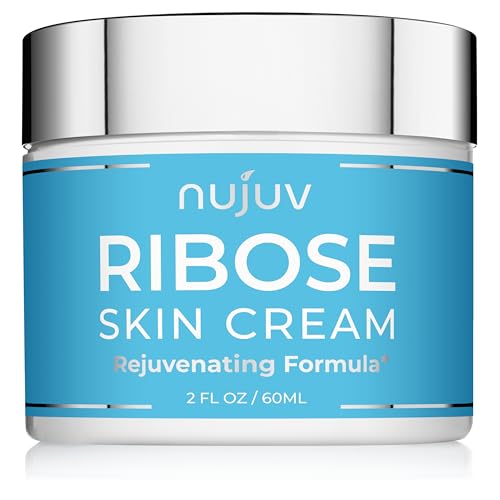
nuJuv Ribose Sugar Cream, 2 oz stands apart for pairing D-ribose with centella asiatica and green tea extract, alongside hyaluronic acid, glycerin, and jojoba oil. The maker positions it for the face, neck, and chest, with day-or-night use and a weightless hydration feel. That combination makes it a fit for someone who wants named botanical extracts as well as moisturizing ingredients in one cream. The trade-off is a more complex blend than a simple oil-focused cream, which may not suit shoppers who prefer fewer named companion ingredients.
Bottom line: Pick this if you want a D-ribose cream with botanical extracts and multiple moisturizing ingredients.
Gryzan Ribose Cream, 2.5 oz

Gryzan Ribose Cream, 2.5 oz comes in a 2.5-ounce size and names fractionated coconut oil and grapeseed oil alongside D-ribose. The maker claims wrinkle-area and wrinkle-length changes over 28 days and describes improvements in elasticity, hydration, and brightness; those are maker claims rather than assured outcomes. The larger size may appeal to someone who wants more cream per container than the 1.7- and 2-ounce options.
Bottom line: Choose this if a 2.5-ounce D-ribose cream with named oils suits your routine.
Ribose Revitalizing Skin Cream

Ribose Revitalizing Skin Cream is described by its maker as a lightweight, fast-absorbing D-ribose face cream with fractionated coconut and grapeseed oils. The maker says it is intended for daily morning and evening use and to sit smoothly under makeup or sunscreen. That texture claim gives it a different angle from a richer-feeling cream. The size fields conflict, so confirm the container size before ordering. Shoppers who want a clearly consistent size comparison or an expressly named neck-and-chest use area should consider another option.
Bottom line: Pick this if a fast-absorbing face cream is your priority and you confirm the size first.
D-Ribose Sugar for Skin Serum, 1 fl oz
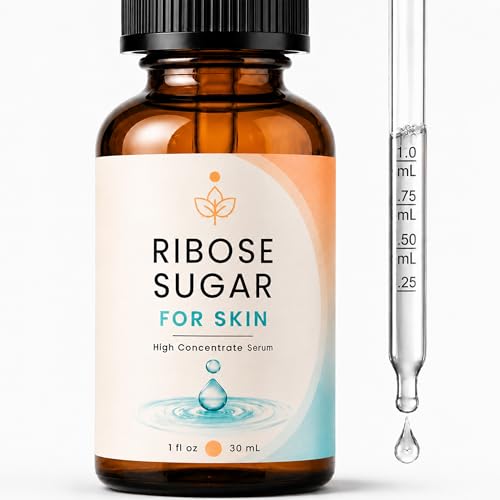
D-Ribose Sugar for Skin Serum, 1 fl oz is the only serum in this group, with D-ribose plus glycerin, sodium hyaluronate, squalane, and vitamin E. The maker describes it as lightweight, hydrating, and non-greasy, aiming for softer, smoother-looking skin and a radiant appearance. Its 1-ounce format and serum texture suit someone who would rather layer a serum than use a cream. The limitation is that it is not a cream, so buyers specifically seeking a cream moisturizer for crepey-looking areas should choose one of the cream formulas instead.
Bottom line: Choose this if you prefer a lightweight D-ribose serum over a cream.
How to choose ribose skincare for crepey-looking skin
Choose by texture and routine fit first: creams provide an emollient layer, while serums are generally thinner and designed to layer beneath moisturizer. Crepey-looking texture can be more noticeable when skin is dry, but a topical moisturizer mainly supports surface hydration and does not substitute for sun protection. For daytime exposed skin, use broad-spectrum SPF 30 or higher; reapply about every 2 hours outdoors and after swimming or sweating. If a formula irritates, stop using it; fragrance, botanical extracts, and other ingredients can trigger sensitivity in some people. If you are introducing several new products, add one at a time and patch test on a small area for several days so you can identify a reaction.
When a cream or serum makes more sense
A cream is the straightforward choice when you want a moisturizer with oils, while a serum fits better when you prefer a lighter layer under another moisturizer. Humectants such as glycerin and sodium hyaluronate attract water to the outer skin; emollient oils help soften rough-feeling areas and reduce moisture loss. Neither ingredient category guarantees a change in wrinkles or skin laxity. Use this decision rule: if your routine already has a moisturizer and you want a thinner layer, choose a serum; if you want one product to provide a more substantial moisturizing layer, choose a cream. Apply products to clean skin and allow each layer to settle before adding sunscreen or makeup.
Use this formula guide to match the format with the ingredients you want:
| Need | Formula type | What to look for |
|---|---|---|
| Thinner layer to add beneath moisturizer | Serum | Humectants such as glycerin or sodium hyaluronate |
| More substantial moisturizing layer | Cream | Emollients such as oils |
| Daytime routine outdoors | Either | Separate broad-spectrum SPF 30 or higher |
What to expect from D-ribose skincare
D-ribose in a cosmetic formula is a topical skincare ingredient, not a replacement for the basics of skin care. For dry, crepey-looking skin, moisturizer can improve how skin feels and looks by supporting hydration, while broad-spectrum sunscreen helps protect exposed skin from UV damage. No cosmetic claim can promise the same visible result for every person, and a moisturizer cannot reverse all causes of wrinkles or looseness. Keep expectations focused on comfort and appearance rather than a guaranteed firming effect. If persistent irritation, a rash, or a sudden skin change develops, stop the product and consult a qualified clinician; do not use a cosmetic moisturizer to treat a skin condition.
Frequently Asked Questions
Can ribose cream get rid of crepey skin?
No topical cream can be relied on to get rid of crepey skin. Moisturizers may soften the look of dryness, while broad-spectrum SPF 30 or higher helps protect exposed skin from further UV damage.
Should I apply a serum before a moisturizer?
Generally, apply a thinner serum before a cream moisturizer. Let the serum settle, then use sunscreen as the final daytime skincare step; sunscreen needs reapplication about every 2 hours outdoors.
How often should I use a new face cream?
Start with a small patch once daily for several days before applying a new cream more widely. If you develop burning, persistent redness, or a rash, stop using it rather than increasing frequency.
Can I use ribose cream around my eyes?
Use a cream around the eyes only if its packaging explicitly directs that use, and keep it out of the eyes. Eyelid skin is delicate, and irritation warrants rinsing with clean water and stopping use.
Does moisturizer replace sunscreen on the neck?
No, moisturizer does not replace sunscreen on the neck. Use broad-spectrum SPF 30 or higher on exposed skin and reapply about every 2 hours outdoors, or after swimming or sweating.