
Stingless Bee Honey Eye Drops: 5 Products Compared

MELIPONA BEE Honey Eye Drops, 1 fl oz is the only product identified as eye drops, but its label alone does not establish that it is sterile or appropriate for ocular use. The other products are honey bottles, not eye drops; choose them only if you want honey for another purpose, never as a substitute for sterile eye medication.
We earn a commission if you buy through links on this page. As an Amazon Associate I earn from qualifying purchases. Products are compared on manufacturer specifications, not hands-on testing.
- Best overall: MELIPONA BEE Honey Eye Drops, 1 fl oz – It is the only product identified as eye drops, and comes in a 1-fluid-ounce size.
- Best for Guatemalan honey: Miel Melipona Jimerito, 10 mL – The specifications identify pure Melipona honey from Guatemala in a 10 mL bottle.
- Best for dropper dispensing: Melipona Honey Drops, 10 mL – The specifications specify a 10 mL bottle with a dropper.
| Product | Best for | Identified purpose | Bottle size | Origin | Shop |
|---|---|---|---|---|---|
| MELIPONA BEE Honey Eye Drops, 1 fl oz | Eye-drop label | Eye drops | 1 fl oz | — | Check Price on Amazon |
| Miel Melipona Jimerito, 10 mL | Guatemalan honey | Honey | 10 mL | Guatemala | Check Price on Amazon |
| Melipona Honey Drops, 10 mL | Dropper dispensing | Honey | 10 mL | Mexico | Check Price on Amazon |
| Mexiboku Jimerito Melipona Honey | Unprocessed honey | Honey | 1.5 oz | — | Check Price on Amazon |
| Miel Melipona Raw Jimerito Honey | Raw honey | Honey | 1.5 oz | Mexico | Check Price on Amazon |
Stingless bee honey eye drops and related honey
Only one item is identified as eye drops; the remaining products are honey bottles and should not be used in the eyes.
MELIPONA BEE Honey Eye Drops, 1 fl oz
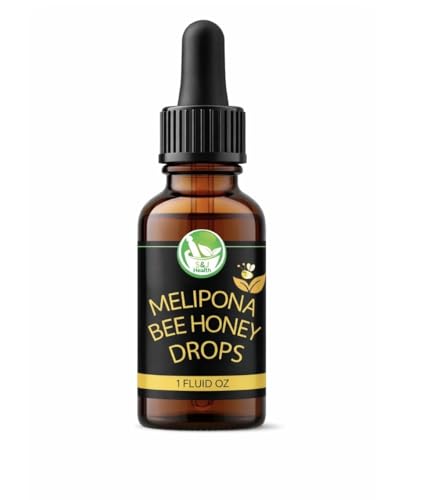
MELIPONA BEE Honey Eye Drops, 1 fl oz is the only item identified as eye drops, rather than as a bottle of honey for other use. Its product name identifies MELIPONA BEE Honey Eye Drops by S&J Health Food Center, and the size is 1 fluid ounce. That label does not establish the product’s sterility, ingredients, or suitability for your eyes. Eye drops must be sterile and formulated for ocular use; do not put a product in your eyes based on its name alone. Ask an eye-care professional to verify the product before considering it.
Bottom line: Consider it only after an eye-care professional confirms it is sterile and appropriate for your eyes.
Miel Melipona Jimerito, 10 mL

Miel Melipona Jimerito, 10 mL is a 10 mL honey product identified with Guatemala, unlike the item labeled as eye drops. Its specifications describe pure Melipona honey, also called Jimerito and Doncella, with no additives or processing, and connect it to Guatemala. This is a honey bottle, not an ocular product; its purity or traditional use does not establish that it is sterile or safe for eyes. Choose it only if you are seeking honey for a non-eye use, and keep it out of the eye-care decision.
Bottom line: Pick it for Guatemalan Melipona honey, not for eye use.
Melipona Honey Drops, 10 mL

Melipona Honey Drops, 10 mL stands out among the honey bottles for its specified dropper, which allows controlled dispensing of the honey; the word “drops” does not make it an eye-drop product. The specifications identify a 10 mL bottle and honey sourced from Mexico. They describe small-batch harvesting and a naturally fluid texture, but neither feature indicates an ocular formulation. A dropper bottle is not necessarily sterile, and honey intended for another use should not be placed in the eye. Keep this choice separate from sterile eye medication.
Bottom line: Choose it only if a dropper bottle suits your non-eye use for honey.
Mexiboku Jimerito Melipona Honey
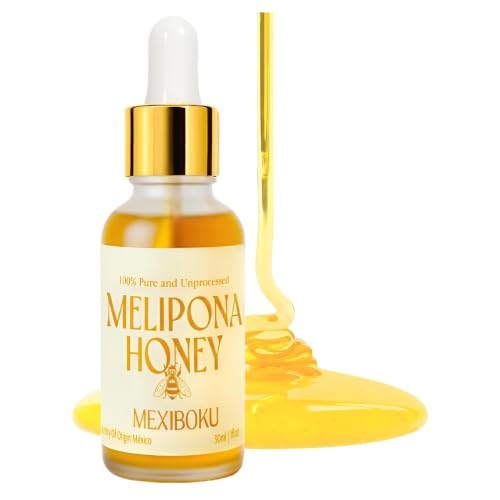
Mexiboku Jimerito Melipona Honey is identified as pure, unprocessed Jimerito stingless-bee honey, while the only item labeled eye drops is a separate product. The specifications give a 1.5-ounce size and identify the honey as Melipona. They do not identify it as an eye-care formulation. “Pure” and “unprocessed” describe the honey in the product name; they are not evidence of sterility or ocular safety. Treat it as honey for a non-eye purpose, and do not use it in place of sterile eye drops.
Bottom line: Choose it for unprocessed Melipona honey, not eye care.
Miel Melipona Raw Jimerito Honey

Miel Melipona Raw Jimerito Honey is distinguished by its raw-honey description and Mexican origin, not by any eye-drop purpose. The specifications identify a 1.5-ounce bottle of Jimerito stingless-bee honey and mention a dropper, a lighter consistency, and a distinctive flavor. Those characteristics concern the honey as a product, not its suitability for the eye. A dropper does not establish sterility, and raw honey is not a substitute for an ocular formulation. Keep it out of the eyes and choose it only for a non-eye use.
Bottom line: Choose it for raw Mexican honey, not as an eye product.
How to evaluate stingless bee honey eye drops
Use only eye drops that are explicitly made for ocular use and confirmed sterile; a honey label or dropper bottle is not enough. Eye products contact the cornea, so sterility and the formulation matter in a way they do not for honey taken by mouth or used on food. Check the active and inactive ingredients, intended route, sterility statement, and manufacturer directions with an eye-care professional before use. Do not infer safety from words such as “pure,” “natural,” “raw,” or “unprocessed.” If packaging does not clearly confirm sterile ophthalmic use, do not put the product in your eye.
Why honey bottles are not eye drops
Honey intended for other uses is not interchangeable with sterile eye medication, even when it is sold in a dropper bottle. A dropper describes how a liquid is dispensed; it does not certify sterility or an ocular formulation. Raw or minimally processed honey can contain particles or microbes, while eye products must be prepared and packaged to reduce contamination risk. Do not put kitchen, food, or cosmetic honey in the eye, and do not dilute it at home. This distinction matters especially for contact lens wearers, people with eye injuries, and anyone with pain, light sensitivity, or vision changes, who should seek prompt professional care.
Choosing the right product by intended use
Choose by intended route first, then by size or origin: an eye-care product must be explicitly formulated for ocular use, while honey bottles are for non-eye purposes. The table separates the five items by what their specifications identify; it does not establish that the eye-drop-labeled item is sterile. Confirm that point with an eye-care professional before use.
| Product type | What to verify | Decision |
|---|---|---|
| Item labeled eye drops | Sterility and ocular formulation | Use only after professional confirmation |
| Melipona honey bottle | Non-eye intended use | Do not use in eyes |
For any eye product, stop using it and seek care if it causes worsening irritation or blurred vision. A honey bottle’s origin, harvest method, or texture does not answer the eye-safety question.
Frequently Asked Questions
Can stingless bee honey be put directly in the eye?
No; do not put honey intended for other uses into the eye. Eye drops need an ocular formulation and sterility, neither of which is established by honey purity or a dropper bottle.
Does a dropper bottle mean the drops are sterile?
No; a dropper is a dispensing feature, not proof of sterility. Confirm that a product is explicitly sterile and formulated for ophthalmic use before using it in the eye.
What should I check before using honey eye drops?
Confirm with an eye-care professional that the product is sterile and made for ocular use. If the package does not clearly establish both, do not use it in your eyes.
Can honey eye drops be used with contact lenses?
Do not use a honey product with contact lenses unless an eye-care professional confirms it is a sterile ophthalmic product suitable for lens wear. Contact lenses can increase the stakes of eye contamination, so remove lenses and seek professional advice if irritation or pain occurs.
When should eye irritation get medical attention?
Seek prompt medical attention for eye pain, light sensitivity, vision changes, or a suspected injury. Mild irritation that worsens or persists after stopping a product also merits professional advice.