
Ryka Devotion X Walking Shoes: Fit and Cushioning

The Ryka Devotion X is the clearest match for women seeking a fitness walking shoe, with full-length RE-ZORB cushioning and extra cushioning at the forefoot and heel. Choose a different version if you want a lighter shoe or prefer its particular upper and fit features.
We earn a commission if you buy through links on this page. As an Amazon Associate I earn from qualifying purchases. Products are compared on manufacturer specifications, not hands-on testing.
- Best overall: Ryka Devotion X Walking Shoe – Combines full-length RE-ZORB cushioning with extra cushioning in the forefoot and heel.
- Best for stability: Ryka Devotion X 2 Walking Shoe – Its maker highlights impact and stability, with a molded heel stabilizer.
- Best for lighter weight: Ryka Devotion X Max Walking Shoe – At 8.6 ounces per shoe, it has a single-shoe weight.
| Product | Best for | Cushioning | Upper | Weight | Shop |
|---|---|---|---|---|---|
| Ryka Devotion X Walking Shoe | Cushioned fitness walks | Full-length RE-ZORB; extra forefoot and heel | — | 8.5 oz per shoe | Check Price on Amazon |
| Ryka Devotion X 2 Walking Shoe | Stability-focused walks | Full-length RE-ZORB; extra forefoot and heel | Breathable mesh; partially recycled linings | — | Check Price on Amazon |
| Ryka Devotion X Max Walking Shoe | Lightweight cushioning | Full-length RE-ZORB; RE-ZORB LITE pads | Air mesh | 8.6 oz per shoe | Check Price on Amazon |
Ryka Devotion X walking shoes
Compare the cushioning, upper construction and fit-focused features that distinguish these fitness walking shoes.
Ryka Devotion X Walking Shoe
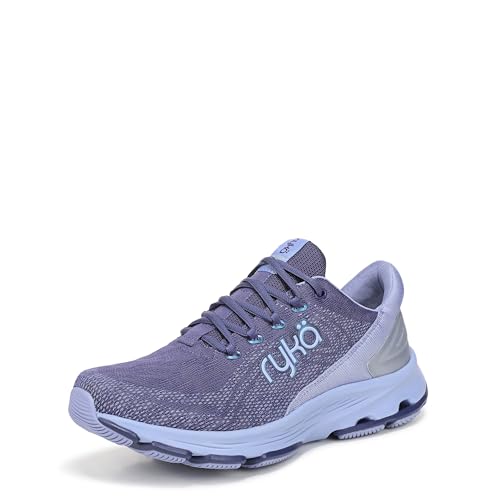
The Devotion X adds RE-ZORB cushioning at the forefoot and heel to its full-length responsive cushioning, distinguishing it from the other versions here. Ryka says the shoe is designed for high-performance fitness walking and reports impact and stability testing by Heeluxe. The weight is 8.5 ounces per shoe. Its appeal is the added cushioning; shoppers who want the mesh and specific fit construction spelled out in the product features may prefer another option in this group.
Bottom line: Choose this version if extra cushioning in the forefoot and heel is your priority.
Ryka Devotion X 2 Walking Shoe

The Devotion X 2 pairs full-length RE-ZORB with extra cushioning in the forefoot and heel, and its features also call out a molded heel stabilizer. Ryka describes its women’s fit as a narrower heel and roomier toe, with softer cushioning. The upper is breathable mesh with partially recycled linings, and the shoe closes with laces. The weight field does not clearly establish a per-shoe unit, so shoppers comparing shoe weights should verify the measurement before choosing this version.
Bottom line: Pick this version if the roomier toe and molded heel stabilizer fit your priorities.
Ryka Devotion X Max Walking Shoe

The Devotion X Max stands apart with RE-ZORB LITE pads at the forefoot and heel alongside full-length RE-ZORB cushioning. Ryka says it is intended for high-performance fitness walking and reports lab testing for low deceleration, braking and impact forces, along with very high perceived cushioning. The breathable air-mesh upper, padded tongue and heel collar, and lace closure round out the construction. At 8.6 ounces per shoe, its weight is close to the 8.5-ounce Devotion X; shoppers wanting the standard Devotion X name should choose another version.
Bottom line: Choose it if you want the Max version’s lightweight pads and padded collar.
How to choose a fitness walking shoe
Choose a walking shoe by checking fit first, then matching cushioning and stability features to your route. Leave about a thumb’s width—roughly half an inch—between your longest toe and the shoe’s end, and make sure the heel stays secure when you walk. Feet often swell during the day, so trying shoes later can reveal pressure that an early fitting misses. A flexible forefoot helps a shoe bend where the foot pushes off; a rigid heel counter can add structure around the back of the foot. For regular walking, compare each shoe’s weight and cushioning layout rather than relying on a model name alone.
Getting the right walking shoe fit
A good fit leaves room for toes to spread while holding the heel without rubbing. Measure both feet while standing, since one foot may be longer, and fit the larger foot; shoe size can differ across brands and models. Check the intended socks and any orthotic you plan to use, because both take up interior space. Walk on a level surface and look for toe contact, heel slip or pressure at the sides. A snug lace adjustment can secure the midfoot, but laces cannot fix a shoe that is too short or too narrow. Confirm the size and width that suit your feet before ordering.
Walking shoe cushioning and stability
Cushioning materials and placement affect how a shoe feels underfoot, but more cushioning is not automatically better for every walker. Full-length cushioning spreads the cushioning material along the midsole, while added heel or forefoot pads target those zones. A heel stabilizer is a construction feature, not a substitute for a secure fit. Use this comparison to focus on the differences that matter for choosing among these versions.
| Feature | What it can mean for a buyer | What to compare |
|---|---|---|
| Full-length cushioning | Cushioning extends along the midsole | Placement and stated material |
| Extra heel or forefoot pads | Added cushioning in selected zones | Which zones have added pads |
| Heel stabilizer | A structured heel feature | Heel hold and comfort in a walking fit |
When to replace walking shoes
Many walking shoes are replaced around 300 to 500 miles, but body weight, walking surface, gait and shoe construction can shorten or extend that span. Look for visibly compressed midsole foam, uneven outsole wear or a new loss of comfort; appearance alone may not reveal cushioning wear. Track approximate mileage if you walk frequently, and reassess sooner if the shoe starts feeling uneven or unstable. Avoid using a worn outsole on slick surfaces, where reduced tread can make footing less reliable. Rotating two pairs can give foam time to recover between walks, though rotation does not restore worn cushioning.
Frequently Asked Questions
How much room should walking shoes have at the toes?
Leave about a thumb’s width, roughly half an inch, between your longest toe and the shoe’s end. Check while standing, since the foot spreads under load.
How often should walking shoes be replaced?
A common replacement range is 300 to 500 miles, with rough pavement and heavier wear often shortening it. Replace sooner if the midsole feels compressed or the outsole is unevenly worn.
Are walking shoes supposed to feel tight at first?
They should feel secure, not painfully tight or dependent on a break-in period. Try them with walking socks and check for toe pressure, heel rubbing and side pinching.
Should walking shoes have a stiff or flexible sole?
A walking shoe should generally bend at the forefoot, where the foot pushes off, while the heel can feel more structured. A shoe that bends easily through the middle may not suit every walker.
Can I use running shoes for fitness walking?
Many running shoes can work for walking if the fit is secure and the sole bends comfortably at the forefoot. Check for heel slip and adequate toe room, especially on longer walks.