
Toothpaste for Cavity Repair: 4 Options Compared

For an adult seeking a hydroxyapatite toothpaste marketed for cavity repair, Dr. Glow Adult Cavity Repair Toothpaste is the closest match; it is fluoride-free and comes in a 3.52-ounce tube. Choose a fluoride toothpaste instead if you want a familiar cavity-prevention active or are seeking sensitivity relief, rather than a product presented as cavity-filling.
Toothpaste can help prevent decay and support remineralization of early enamel changes, but it cannot repair a hole in a tooth; a dentist should assess suspected cavities.
We earn a commission if you buy through links on this page. As an Amazon Associate I earn from qualifying purchases. Products are compared on manufacturer specifications, not hands-on testing.
- Best overall: Dr. Glow Adult Cavity Repair Toothpaste – Hydroxyapatite formula marketed for adult cavity repair, in a 3.52-ounce tube.
- Best for fluoride-free hydroxyapatite: CAREDO Cavity Reversal Toothpaste – Combines hydroxyapatite with a fluoride- and SLS-free formula.
- Best for sensitive teeth: Sensodyne Pronamel Intensive Enamel Repair – Contains potassium nitrate and fluoride and is sized at 2.3 ounces.
| Product | Best for | Active ingredients | Fluoride | Size | Shop |
|---|---|---|---|---|---|
| Dr. Glow Adult Cavity Repair Toothpaste | Hydroxyapatite seekers | Hydroxyapatite | No | 3.52 oz | Check Price on Amazon |
| CAREDO Cavity Reversal Toothpaste | Fluoride-free formula | Hydroxyapatite | No | 3.5 oz | Check Price on Amazon |
| Sensodyne Pronamel Intensive Enamel Repair | Sensitivity and fluoride | Potassium nitrate, fluoride | Yes | 2.3 oz | Check Price on Amazon |
| Sensodyne Repair and Protect Whitening | Two-tube supply | Stannous fluoride | Yes | 3.4 oz each; 2 tubes | Check Price on Amazon |
Toothpaste for Cavity Repair Options
Compare the formulas by their active ingredients and whether they contain fluoride.
Dr. Glow Adult Cavity Repair Toothpaste

Dr. Glow Adult Cavity Repair Toothpaste is the most direct match for an adult looking for a toothpaste marketed specifically for cavity repair, and its hydroxyapatite formula is fluoride-free. The 3.52-ounce tube is suited to shoppers who want that ingredient and claim in a single-tube option. The manufacturer also promotes sensitivity reduction, but its 3-to-10-month cavity-reversal timeline is not a substitute for diagnosis or dental treatment. Toothpaste may support early enamel remineralization; it cannot fill or rebuild a cavity that has formed a hole.
Bottom line: Choose this if hydroxyapatite and a fluoride-free formula are your priorities.
CAREDO Cavity Reversal Toothpaste

CAREDO Cavity Reversal Toothpaste is another adult-focused hydroxyapatite option, with the added distinction that its product name and claims specify both fluoride-free and SLS-free. Its 3.5-ounce tube is close in size to Dr. Glow Adult Cavity Repair Toothpaste, so ingredient preference matters more than capacity when choosing between them. The maker describes use for early-to-moderate cavities and weakened enamel, but those claims do not mean the paste can repair established tooth decay. Anyone with a visible hole, persistent pain, or suspected decay needs a dental exam rather than relying on toothpaste alone.
Bottom line: Pick this for a hydroxyapatite paste that also identifies itself as SLS-free.
Sensodyne Pronamel Intensive Enamel Repair
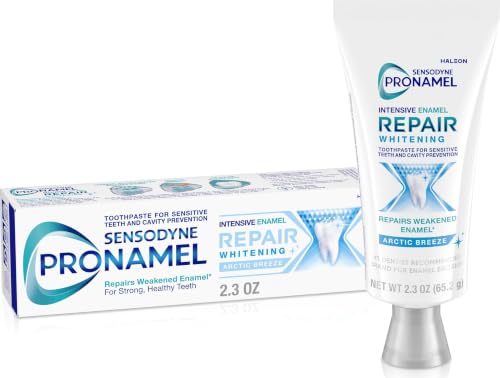
Sensodyne Pronamel Intensive Enamel Repair differs from the hydroxyapatite choices by pairing fluoride with potassium nitrate in a 2.3-ounce tube. The maker says twice-daily brushing provides sensitivity protection and that the formula helps strengthen enamel and prevent cavities; it is not presented as a cavity-filling treatment. This is the more relevant option for someone prioritizing sensitivity care alongside fluoride-based cavity protection. Its smaller tube may be less suitable for a household wanting a larger supply, and it will not treat a cavity that has progressed beyond early enamel changes.
Bottom line: Choose this when sensitivity relief and fluoride protection take priority.
Sensodyne Repair and Protect Whitening

Sensodyne Repair and Protect Whitening is a sensitivity-focused fluoride toothpaste rather than a product marketed specifically for cavity reversal; the distinguishing feature is its two 3.4-ounce tubes. Its stannous fluoride formula is described by the maker as building a repairing layer in sensitive areas and providing lasting sensitivity protection with twice-daily brushing. The pack suits buyers who want a two-tube supply of a sensitivity toothpaste, not those seeking hydroxyapatite. Whitening is also part of its name, but the facts do not establish a particular whitening result.
Bottom line: Pick this if you want two tubes of a stannous-fluoride sensitivity toothpaste.
What toothpaste can do for cavity repair
Toothpaste can help prevent cavities and support remineralization of early enamel damage, but it cannot repair a cavity that has become a hole. Fluoride helps strengthen enamel against acid attacks; hydroxyapatite is a calcium-phosphate mineral used in some toothpaste formulas to support mineral replacement. Neither ingredient should be treated as a substitute for dental care when decay is established. A dentist can determine whether a spot is an early lesion or a cavity needing a filling. If a tooth has a visible hole, lingering pain, or sensitivity that persists after the trigger is gone, arrange an exam rather than waiting for toothpaste to reverse it.
How to choose cavity repair toothpaste
Choose by the active ingredient and the problem you are trying to address: fluoride for routine cavity prevention, hydroxyapatite if you specifically want that mineral-based formula, and a sensitivity toothpaste if sensitivity is also a priority. Adults commonly use toothpaste with 1,000 to 1,500 parts per million fluoride; check the package for the concentration when comparing products. Brush for two minutes twice daily with a soft-bristled brush, and spit rather than rinsing immediately to leave more fluoride on the teeth. If you have frequent new cavities or dry mouth, ask a dentist whether you need a higher-fluoride prescription product.
When sensitivity needs more than toothpaste
Tooth sensitivity can have several causes, including exposed root surfaces, enamel wear, or decay, so the symptom alone cannot identify the right treatment. A sensitivity formula may help with regular use, but pain that is localized to one tooth, worsens, or lingers after hot or cold contact warrants a dental assessment. Use a soft-bristled brush and gentle pressure; hard brushing can wear enamel and contribute to gum recession. Avoid brushing immediately after acidic food or drinks: wait about 30 minutes so softened enamel is less vulnerable to abrasion. Persistent symptoms should not be managed only by switching toothpastes.
Safe brushing for cavity prevention
Use a pea-sized amount of toothpaste for adults and brush all tooth surfaces for two minutes, twice a day. Children need smaller amounts and supervision to limit swallowing: a smear for children under 3 and a pea-sized amount from ages 3 through 6 are common guidance. Keep toothpaste out of reach of young children, and contact poison control if a child swallows more than a small taste. Brushing cleans tooth surfaces, but cleaning between teeth matters too; floss or an interdental cleaner reaches areas a brush may miss. Regular dental checkups allow early decay to be assessed before it becomes a painful problem.
Frequently Asked Questions
Can toothpaste repair a cavity that has a hole?
No toothpaste can rebuild a tooth after decay has formed a hole; that generally needs dental treatment. Fluoride toothpaste can help prevent decay and support early enamel changes, so seek an exam for a visible hole or persistent pain.
Is fluoride toothpaste better for preventing cavities?
Fluoride toothpaste is a well-established choice for cavity prevention, and many adult formulas contain 1,000 to 1,500 parts per million fluoride. Check the package concentration, especially if you have a history of frequent cavities.
How often should adults brush with cavity toothpaste?
Brush for two minutes twice daily with a fluoride toothpaste unless a dental professional advises a different routine. Spit after brushing and avoid rinsing immediately to retain more fluoride on the teeth.
Can hydroxyapatite toothpaste replace dental fillings?
No; toothpaste cannot replace a filling when a cavity has progressed into a hole. Hydroxyapatite toothpaste is intended to support mineral replacement on tooth surfaces, while a dentist determines how established decay should be treated.
When should tooth sensitivity be checked by a dentist?
Arrange an exam when sensitivity is limited to one tooth, becomes worse, or lingers after hot or cold exposure. Sensitivity can arise from decay or other dental problems that toothpaste cannot diagnose.