
Pen Gear Fabric Transfer: 5 Pens Compared by Ink Type

For pen gear fabric transfer, DMC Blue Embroidery Transfer Pen is the named embroidery transfer pen and uses blue, water-soluble ink for light fabrics. Choose another option if you need a multi-color set, heat-erased marks, or permanent sublimation transfer.
Fabric transfer pens put a temporary or permanent design onto cloth; the right kind depends on how the ink is fixed or removed.
We earn a commission if you buy through links on this page. As an Amazon Associate I earn from qualifying purchases. Products are compared on manufacturer specifications, not hands-on testing.
- Best overall: DMC Blue Embroidery Transfer Pen – Blue water-soluble ink is made for transferring patterns onto light fabrics.
- Best for permanent color: Crtiin 12-Color Sublimation Markers – Its 12 sublimation markers create permanent designs after transfer.
- Best for heat removal: OZXTYO Heat-Erasable Pens, 4 Pens + 8 Refills – Four colors and eight refills are designed to erase with an iron.
| Product | Best for | Ink colors | Quantity | Removal or transfer | Shop |
|---|---|---|---|---|---|
| DMC Blue Embroidery Transfer Pen | Light fabric patterns | Blue | 1 pen | Water-soluble | Check Price on Amazon |
| Crtiin 12-Color Sublimation Markers | Permanent color designs | 12 colors | 12 pens | Heat transfer | Check Price on Amazon |
| OZXTYO Heat-Erasable Pens, 4 Pens + 8 Refills | Heat-erased guides | 4 colors | 4 pens + 8 refills | Iron-erased | Check Price on Amazon |
| OZXTYO Blue Water-Soluble Pens, 5 Pack | Water-removable marks | Blue | 5 pens | Water-soluble | Check Price on Amazon |
| Mr. Pen Blue Washable Fabric Markers, 5 Pack | Washable sewing guides | Blue | 5 pens | Water-soluble | Check Price on Amazon |
Pen Gear Fabric Transfer Pens
Compare each pen by whether its marks wash away, erase with heat, or transfer permanently.
DMC Blue Embroidery Transfer Pen
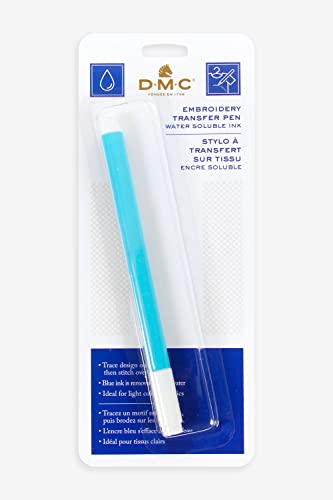
The DMC pen is the named embroidery transfer option, with blue water-soluble ink intended for light-colored cotton, linen, and canvas. It suits pattern tracing for embroidery, cross-stitch, needlepoint, quilting, and sewing, where visibility on pale cloth matters. Water removes the ink after the design is no longer needed. The single-pen format is less suited to projects that call for several colors or repeated marking across multiple pieces; consider a multi-pack for those jobs. Keep the fabric light-colored so the blue guide lines remain easy to see.
Bottom line: Choose this for blue pattern lines on light-colored fabric that can be washed.
Crtiin 12-Color Sublimation Markers

The Crtiin set differs from the water-soluble options because it is made to transfer permanent, multicolor artwork rather than leave temporary sewing guides. It contains 12 markers in 12 colors, for drawing designs on paper before transferring them to fabric and other needlework projects. The maker says transferred patterns are waterproof and scratch-resistant. This is the better fit when a finished design should remain on the textile, not when you need marks that wash out after stitching. Follow the transfer process carefully: unlike a temporary marking pen, the intended result is lasting color.
Bottom line: Pick this for colorful designs intended to stay on fabric after heat transfer.
OZXTYO Heat-Erasable Pens, 4 Pens + 8 Refills

The OZXTYO set uses heat-erasing ink, a different removal route from pens that wash away with water. Four pen colors and eight refills support repeated sewing, quilting, embroidery, and dressmaking marks, while its 0.7 mm tip is intended for precise lines. The maker says ironing makes the marks disappear without ghost lines or residue; the ink may bloat if left for a long time. This set suits projects where heat removal is practical, but it is a poor match for fabric that cannot be ironed safely or for marks that must remain visible after pressing.
Bottom line: Choose this when you want fine sewing guides that can be removed with heat.
OZXTYO Blue Water-Soluble Pens, 5 Pack
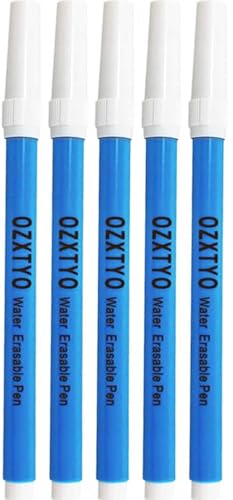
The OZXTYO five-pack is a water-soluble alternative for temporary sewing and embroidery marks, with fine blue lines and pens measuring 6.5 inches long. The maker says marks can be removed with water and recommends washable fabrics; it is intended for quilting, dressmaking, crafts, and transferring designs. Its key limitation is compatibility: it is not recommended for dry-clean-only fabric, and ironing before removing the lines can make them difficult or impossible to remove. Choose it for washable projects and erase the marks with water before pressing.
Bottom line: Pick this multipack for temporary blue marks on washable fabric.
Mr. Pen Blue Washable Fabric Markers, 5 Pack

The Mr. Pen set offers five blue water-soluble pens for temporary tailoring, sewing, and craft guidelines. Its purpose is to make fine lines that wash away with water, so it suits washable fabric projects rather than permanent decoration. Unlike the heat-erasable set, this ink should be removed before ironing: heat may set the mark. The pack is useful when several matching blue marking pens are needed, but it does not offer different ink colors for color-coded work. Wash away marks before applying heat to help keep finished fabric clean.
Bottom line: Choose this five-pack for blue water-removable marks on washable projects.
How to Choose a Fabric Transfer Pen
Choose by the removal method first: water-soluble pens wash out, heat-erasable pens disappear with heat, and sublimation markers are intended to leave a permanent transferred design. A temporary sewing guide should not be confused with a finished color design. For washable fabric and marks that can be rinsed out, select water-soluble ink; for work that can safely be ironed, a heat-erasable pen may be more convenient. If you want the artwork to remain on the textile, choose a transfer marker specifically made for permanent transfer. A practical rule is to use water-soluble ink only when the fabric is washable and to remove its marks before ironing. Test a small hidden area first when the fabric or finish is valuable.
| Need | Ink type | Key condition |
|---|---|---|
| Temporary sewing lines | Water-soluble | Fabric must be washable |
| Temporary lines removed by heat | Heat-erasable | Fabric must tolerate ironing |
| Lasting colored artwork | Sublimation transfer | Follow its transfer process |
Fabric Compatibility and Mark Removal
Fabric compatibility determines whether a transfer mark comes off cleanly: water-soluble ink needs a washable textile, while a heat-erasable mark depends on safe ironing. Dry-clean-only fabric is a poor match for a water-removable pen, and some inks may be set by heat if pressed before washing. Light-colored cotton, linen, and canvas are specifically named for the blue embroidery pen, where blue lines provide contrast. The fiber is not the only consideration; surface texture, coatings, and finishes can change how ink appears or releases. Try a small swatch, then use the intended removal method before stitching a large piece. Keep temporary guide lines away from pressing until they are cleared.
Temporary Marks Versus Permanent Transfer
Temporary marking pens guide construction and are meant to disappear; sublimation markers are meant to transfer color that remains. Water-soluble pens rely on water, and heat-erasable pens rely on heat, so their removal methods are not interchangeable. A permanent transfer is better for decorative artwork than for cutting lines or embroidery guides that must vanish. Heat is central to both heat erasure and sublimation, but the outcomes differ: one removes marks, while the other fixes the design. Before drawing a full project, decide whether the lines are a working guide or part of the finished design. That choice prevents using permanent ink where a temporary mark is required.
Safe Use of Fabric Marking Pens
Remove water-soluble marks before ironing, because heat can make some water-based guide lines difficult or impossible to remove. Heat-erasable pens are designed to disappear with an iron, but the fabric itself still needs to tolerate that temperature; keep the iron moving and avoid pressing delicate or heat-sensitive material without checking a hidden area. Permanent transfer pens require their transfer method, so treat their marks as intended-to-last rather than washable guides. Use a test swatch before marking a finished garment, quilt top, or heirloom textile. Avoid relying on any temporary pen for marks that must stay visible through washing or pressing; those uses call for a different marking method.
Frequently Asked Questions
Can I iron over water-soluble fabric pen marks?
Remove water-soluble marks with water before ironing. Heat can make some of these lines difficult or impossible to remove, so test a scrap and clear the marks first.
Which fabric works with a blue transfer pen?
Light-colored cotton, linen, and canvas are suitable for the DMC blue embroidery pen. Blue lines show best on pale fabric, and water must be usable for removal.
Are sublimation markers permanent on fabric?
Sublimation markers are intended to leave a permanent design after transfer. Use them for finished artwork, not temporary stitching or cutting guides.
How do heat-erasable sewing pens disappear?
Heat from an iron erases their marks, unlike water-soluble ink that must be washed away. Use heat only if the fabric can tolerate ironing, and check a small area first.
Can fabric transfer pens be used on dry-clean-only clothing?
Water-soluble pens are not a good choice for dry-clean-only clothing because their marks need water for removal. Confirm the removal method is compatible with the garment before marking it.