
Sanded Grout in a Tube: 3 Options Compared

For sanded grout in a tube, PentaUSA Acrylic Sanded Grout Repair, White is the clearest fit for white repairs because it is an acrylic sanded filler with a 24-hour cure. Choose ZippySolve Grout Repair Kit, Ivory for an ivory finish and included spreading spatula; Red Devil Pre-Mixed Tile Grout, White is a general premixed grout option without a confirmed sanded formula.
We earn a commission if you buy through links on this page. As an Amazon Associate I earn from qualifying purchases. Products are compared on manufacturer specifications, not hands-on testing.
- Best overall: PentaUSA Acrylic Sanded Grout Repair, White – Acrylic sanded repair grout in white with a 24-hour full cure.
- Best for ivory: ZippySolve Grout Repair Kit, Ivory – An 8.8-ounce squeeze-tube formula that dries into sanded grout.
- Best for small touch-ups: Red Devil Pre-Mixed Tile Grout, White – A 5.5-ounce premixed grout with soap-and-water cleanup.
| Product | Best for | Package size | Color | Shop |
|---|---|---|---|---|
| PentaUSA Acrylic Sanded Grout Repair, White | White repairs | 8.8 oz | White | Check Price on Amazon |
| ZippySolve Grout Repair Kit, Ivory | Ivory joints | 8.8 oz | Ivory | Check Price on Amazon |
| Red Devil Pre-Mixed Tile Grout, White | Small grout jobs | 5.5 fl oz | White | Check Price on Amazon |
Sanded grout in a tube
Compare these small-package grout choices by formula, shade, and the job they suit.
PentaUSA Acrylic Sanded Grout Repair, White
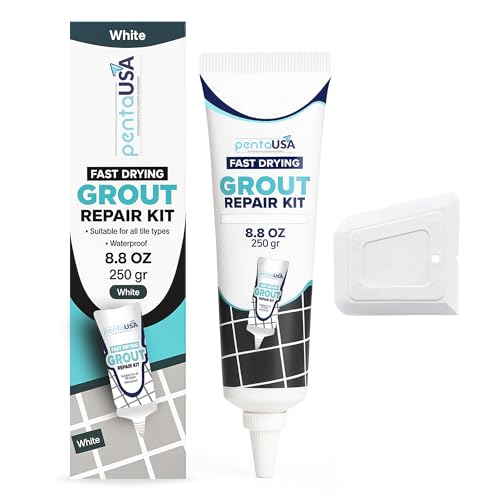
PentaUSA Acrylic Sanded Grout Repair, White is the clearest match for sanded grout repair in a tube: its acrylic sanded formula is intended to fill cracks, worn joints, and missing sections. The white material comes in an 8.8-ounce package, with approximate coverage of 29 square feet at a 1/32-inch depth using 12-by-12-inch tiles. The maker says it is touch-dry in about 2 hours and fully cured in 24 hours. This is suited to small tile repairs; its coverage figure assumes a very shallow fill, so deeper gaps need more material.
Bottom line: Choose this for white, shallow grout repairs where a 24-hour full cure fits the schedule.
ZippySolve Grout Repair Kit, Ivory
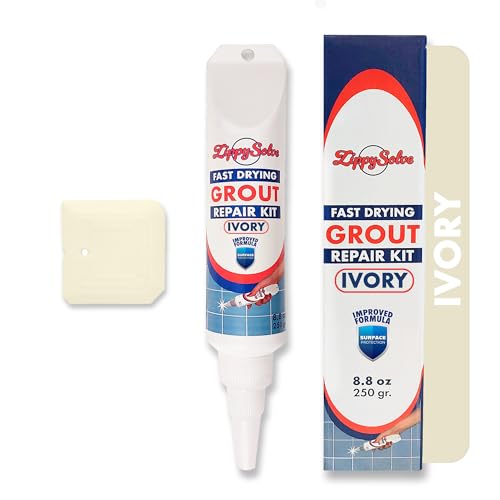
ZippySolve Grout Repair Kit, Ivory stands out for an ivory shade and a four-corner spatula meant to help spread material in differently shaped spaces. Its 8.8-ounce water-based formula is supplied in a squeeze tube, and the maker says it transitions from a squeezable caulk-like consistency to sanded grout as it dries. That makes it relevant for a DIY grout refresh when the tile needs an ivory match rather than white. The cure time and coverage are not included in the specifications, so it is less useful when the repair must meet a specific return-to-water schedule.
Bottom line: Pick this when ivory color and the included shaping spatula matter most.
Red Devil Pre-Mixed Tile Grout, White
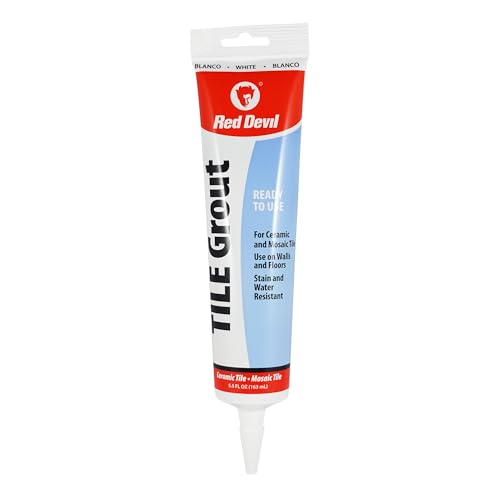
Red Devil Pre-Mixed Tile Grout, White is a small-package premixed tile grout rather than a confirmed sanded grout formula, so it is a fallback when the joint specification matters more than matching the sanded options. The 5.5-fluid-ounce white grout is described for ceramic and mosaic tile, and it adheres to tile, masonry, wood, and wallboard. Soap-and-water cleanup is a practical distinction for small jobs. Because the specifications do not confirm sanded texture, check that its intended joint width and formula suit the tile before using it as a substitute for sanded grout.
Bottom line: Choose this only when a general white premixed grout is suitable for the joint.
How to choose sanded grout in a tube
Choose by joint width, material type, and color before comparing package size. Sanded cement grout is generally intended for joints 1/8 inch wide or larger; narrower joints commonly call for unsanded grout to reduce scratching and improve packing. Tube-style repair products can use acrylic or other premixed binders, so do not assume they behave like cement grout simply because they contain sand. Match the material to the existing grout and confirm the repair product is approved for that surface. A useful rule: if the joint is under 1/8 inch, do not select a sanded formula without checking its specified joint range. Color can also dry differently from existing grout, so test an inconspicuous spot when a close match matters.
Grout or caulk for tile joints
Use grout between tile faces and flexible sealant at changes of plane. Inside corners, countertop-to-backsplash edges, and tub-to-tile transitions move more than a flat grout joint; 100% silicone is commonly used there because it remains flexible. Sanded acrylic caulk can resemble grout but is a sealant, not a direct replacement for a grout filler across ordinary tile joints. Keep the product type matched to the joint: use grout for fixed field joints and flexible sealant where two surfaces meet or movement is expected. In showers, surface water exposure does not make grout waterproof; the waterproofing layer behind the tile is what protects the structure.
Preparing a grout repair
Remove loose, crumbling material and clean dust from the joint before adding a repair filler. New grout bonds poorly to loose residue, soap film, and damp debris, so let the area dry and follow the particular product’s surface preparation requirements. Avoid filling over mold or an active leak; address the moisture source first. For repairs deeper than a thin surface pass, confirm that the chosen filler is intended for that depth rather than assuming its coverage will hold. Make a short test application where shade is less visible, since repaired grout can stand out against aged joints. Keep the area out of water until the product’s full-cure period has elapsed.
Matching grout color and finish
Match the repair shade to the grout after it has dried, not just to a wet sample. Existing grout often changes appearance through wear, cleaners, and accumulated residue, so a fresh white or ivory fill may look brighter than surrounding joints. Sanded texture can also affect the visual match, especially in wider joints where aggregate is easier to see. Use a sample dab in a hidden area and let it cure before committing to a visible repair. Avoid mixing different grout or sealant types in one joint unless the products are compatible; a hard grout patch next to flexible caulk can crack or separate as surfaces move.
Frequently Asked Questions
What joint width is sanded grout for?
Sanded cement grout is commonly used for tile joints 1/8 inch wide or wider. Narrower joints often call for unsanded grout, and the repair product’s specified joint range should decide.
Can tube grout be used in a shower?
Some repair formulas are intended for splash areas, but grout is not the shower’s waterproofing layer. Keep the repair dry until its full cure period is complete and do not use a surface filler to address a leak.
How long should grout repair cure before water?
Cure time depends on the product; PentaUSA Acrylic Sanded Grout Repair, White gives a 24-hour full cure, while the other options here do not provide a cure figure. Keep water off the repair until the particular material has fully cured.
Should I use grout or caulk at a tile corner?
Use flexible sealant at changes of plane such as an inside corner or tub edge, where movement can crack rigid grout. Grout is generally for fixed joints between tile faces.
How do I make a grout repair blend in?
Match the shade and texture, then test a small hidden area and let it dry before repairing a visible joint. A new patch can look brighter than surrounding grout that has darkened with age or residue.