
Best Band-Aid for Big Toe: 5 Options Compared

For big toe protection, choose Big Toe Protector Bandages, 12 Pack when shoe friction or pressure is the concern because its shape is made for the toe; for a minor open cut, select a sterile bandage whose pad fully covers the wound. Choose a different option if you need a conventional wound dressing or gentle removal for sensitive skin.
A big toe protector cushions the area, while an adhesive bandage covers a minor wound.
We earn a commission if you buy through links on this page. As an Amazon Associate I earn from qualifying purchases. Products are compared on manufacturer specifications, not hands-on testing.
- Best overall: Big Toe Protector Bandages, 12 Pack – Toe-shaped cushioning is intended to create a barrier between the toe and shoe.
- Best for wet conditions: BAND-AID Pro Heal Hydrocolloid, 10 Count – The hydrocolloid bandage is described as 100% waterproof.
- Best for sensitive skin: BAND-AID Sensitive Skin, Extra Large, 7 Count – Its hypoallergenic adhesive is designed for painless removal.
| Product | Best for | Type | Count | Size | Shop |
|---|---|---|---|---|---|
| Big Toe Protector Bandages, 12 Pack | Shoe friction | Toe protector | 12 pieces | 177.17 × 0.97 in | Check Price on Amazon |
| BAND-AID Pro Heal Hydrocolloid, 10 Count | Blister coverage | Hydrocolloid adhesive | 10 bandages | One size | Check Price on Amazon |
| BAND-AID Sensitive Skin, Extra Large, 7 Count | Sensitive skin | Adhesive bandage | 7 bandages | Extra large | Check Price on Amazon |
| BAND-AID Flexible Fabric, 1 × 3 in, 100 Count | Everyday cuts | Fabric adhesive bandage | 100 bandages | 1 × 3 in | Check Price on Amazon |
| BAND-AID Tough Strips, Extra Large, 10 Count | Durable coverage | Heavy-duty fabric bandage | 10 bandages | Extra large | Check Price on Amazon |
Big Toe Bandages Compared
Choose by whether you need cushioning against shoe friction or a sterile dressing over a minor wound.
Big Toe Protector Bandages, 12 Pack

Unlike flat adhesive strips, this set is shaped to protect the big toe and provide a cushioning layer between the toe and shoe. The package includes 12 protectors in skin-tone and black. It suits people seeking a barrier against rubbing or pressure during everyday wear. The specifications do not identify a sterile wound pad, so choose a conventional sterile bandage instead when covering an open cut. Make sure the protector sits comfortably and does not compress the toe.
Bottom line: Choose this when cushioning from shoe friction matters more than covering an open wound.
BAND-AID Pro Heal Hydrocolloid, 10 Count

For a minor blister or scrape on the big toe, this option uses a hydrocolloid dressing rather than a fabric strip. Each bandage is ultra-thin and described as waterproof; the maker says it can provide up to five days of continuous protection. It may suit a clean, superficial wound where water exposure is a concern. A single size may not fit every toe or wound location, so check that the pad covers the area without folding over. Do not use a dressing to delay care for a deep or infected wound.
Bottom line: Pick this for a small, superficial toe blister when waterproof coverage is useful.
BAND-AID Sensitive Skin, Extra Large, 7 Count

This extra large bandage is the sensitive skin option in the group, rather than a toe-shaped cushion. The maker describes it as hypoallergenic, with Sensi-Layer Technology for up to 24 hours of wear and removal without pain or skin damage. The four-sided seal is intended to cover minor cuts, scrapes, or burns. It suits buyers who need a wound dressing and want gentler removal. Its flat shape may be less comfortable than a toe-specific protector where shoe rubbing is the main problem.
Bottom line: Choose this for a minor toe wound when gentle removal is a priority.
BAND-AID Flexible Fabric, 1 × 3 in, 100 Count

This is the largest count of conventional fabric bandages here, with each bandage measuring 1 by 3 inches. The sterile, flexible fabric style is intended for minor cuts, scrapes, and burns, and it is not made with natural rubber latex. It suits a household first-aid supply when a standard dressing is needed for a toe. A flat rectangular bandage may lift where the toe bends or rubs against footwear, so it is less suited than a toe-shaped protector for cushioning.
Bottom line: Pick this for a minor cut when you want a flexible, standard fabric dressing.
BAND-AID Tough Strips, Extra Large, 10 Count
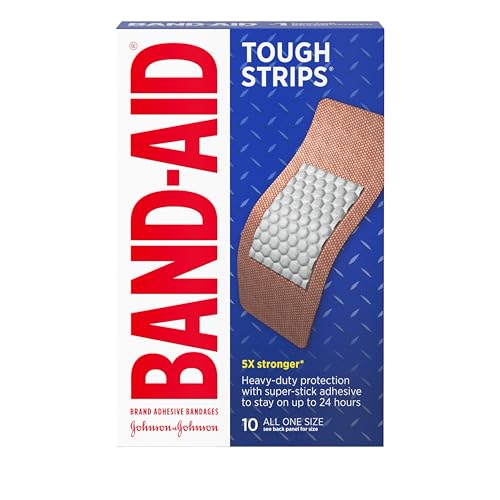
For a toe wound that needs a more durable fabric dressing, these extra large Tough Strips use Dura-Weave fabric and a non-stick comfort pad. The maker says the adhesive can keep the bandage on for up to 24 hours, and describes its four-sided seal as protection against dirt and germs. This suits minor cuts or scrapes when a standard strip may not provide enough coverage. The extra large flat shape can be awkward on a toe, especially under snug shoes; choose a toe-shaped cushion when friction rather than wound coverage is the issue.
Bottom line: Choose this for a minor toe wound when a durable fabric dressing is the priority.
How to Choose a Big Toe Bandage
Match the bandage to the problem: use a cushion for shoe rubbing and a sterile dressing for a minor open wound. A wound pad should cover the entire cut or scrape with a margin of intact skin around it; if the pad ends at the wound edge, choose a larger size. For a blister caused by friction, reducing the rubbing source matters as much as covering the spot. Check the inside of the shoe for a seam or tight toe box that repeatedly contacts the same area. Do not cover a deep, dirty, or worsening wound with a consumer bandage in place of medical care.
Big Toe Fit and Shoe Clearance
A toe protector should lie flat without squeezing, bunching, or making the shoe feel tighter. Big toes vary in circumference, and the fit can change with swelling, so try the protection with the footwear you plan to wear. If the toe becomes numb, pale, blue, cold, or increasingly painful, remove any tight covering promptly. Leave enough room in the toe box for the toe to move rather than forcing a thick cushion into a snug shoe. For adhesive bandages, place the pad over the wound and keep adhesive off broken skin; a flat strip may peel sooner across a toe joint.
Toe Cushions and Wound Bandages Compared
Toe protectors mainly reduce direct rubbing, while adhesive bandages cover minor wounds; they are not interchangeable. Use the table to choose by the task rather than assuming a larger dressing will cushion better. A sterile pad is appropriate for a small cut, but covering alone will not correct ongoing shoe pressure. For repeat blisters, changing the footwear fit or friction point is an important part of preventing recurrence.
| Need | Choose | Key check |
|---|---|---|
| Shoe rubbing | Toe-shaped protector | No tight compression |
| Minor open cut | Sterile adhesive bandage | Pad fully covers wound |
| Minor blister, water exposure | Hydrocolloid dressing | Correct size and placement |
Changing a Big Toe Dressing Safely
Change a wound dressing when it becomes wet, dirty, loose, or no longer covers the area; a damp or contaminated pad should not stay in place. Wash hands before and after dressing care, rinse a minor wound with clean running water, and gently dry the surrounding skin so adhesive can hold. Check the skin at least daily for spreading redness, warmth, swelling, pus, or worsening pain. Those signs, or a wound that is deep or will not stop bleeding, warrant medical advice rather than a different adhesive strip. Avoid wrapping tape tightly around the toe because swelling can impair circulation.
Frequently Asked Questions
Can I use a regular bandage on my big toe?
Yes, a regular sterile adhesive bandage can cover a minor cut if its pad fully covers the wound. A flat strip may lift more readily on a toe joint or rub inside a shoe.
How often should I change a toe bandage?
Change a toe dressing when it is wet, dirty, loose, or no longer covering the wound. Check the skin and dressing at least once each day.
Should I cover a big toe blister?
A small, superficial blister can be protected with a dressing that covers it without bunching. Reduce the shoe friction that caused it, and seek care for severe pain, spreading redness, or drainage.
How tight should a big toe wrap be?
A toe covering should stay in place without squeezing or limiting movement. Remove it if the toe turns numb, pale, blue, cold, or increasingly painful.
When does a toe cut need medical care?
Seek medical advice for a deep wound, bleeding that will not stop, or signs such as spreading redness, warmth, pus, or worsening pain. A surface bandage is meant for minor cuts and scrapes, not these problems.