
170/80R15 Motorcycle Tires: Compare Rear Fits

The Dunlop D404 suits riders seeking a 170/80-15 rear tire with a balance of mileage and grip. Choose another option if you need a different load rating, a white-wall appearance, or an all-weather tread emphasis.
A 170/80-15 tire is sized for a 15-inch rim; confirm the motorcycle’s approved tire size, load rating, and rear-wheel fit before choosing.
We earn a commission if you buy through links on this page. As an Amazon Associate I earn from qualifying purchases. Products are compared on manufacturer specifications, not hands-on testing.
- Best overall: Dunlop D404 Rear 170/80-15 – The D404’s 170/80-15 size and stated mileage-and-grip balance fit a broad cruiser use case.
- Best for wet-weather tread: Kenda Kruz K673 170/80-15 – Kenda describes the Kruz K673’s deep, wide grooves as intended for wet and dry traction.
- Best for white-wall style: Shinko 777 Rear H.D. 170/80B-15 – The Shinko 777 rear tire offers a white-wall sidewall and an 83H rating.
| Product | Best for | Size | Construction | Shop |
|---|---|---|---|---|
| Dunlop D404 Rear 170/80-15 | Cruiser mileage balance | 170/80-15 | — | Check Price on Amazon |
| Kenda Kruz K673 170/80-15 | Grooved all-weather tread | 170/80-15 | Bias/belted | Check Price on Amazon |
| Shinko 777 Rear H.D. 170/80B-15 | White-wall appearance | 170/80B-15 | Bias, tubeless | Check Price on Amazon |
| Kenda Cruiser K671 170/80H-15 | Tubeless touring use | 170/80H-15 | 6-ply rated, tubeless | Check Price on Amazon |
170/80R15 motorcycle tires compared
These rear tires share a 15-inch rim size, but their ratings, sidewall styles, and stated tread features differ.
Dunlop D404 Rear 170/80-15
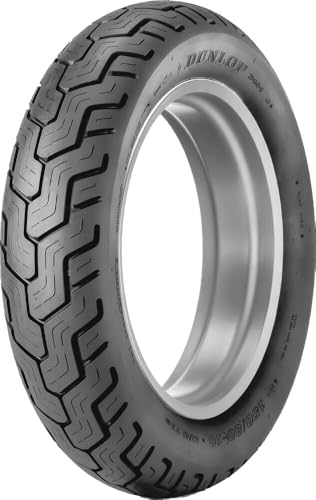
The Dunlop D404 is a straightforward 170/80-15 rear option for riders prioritizing a balance of mileage and grip. Dunlop says its tread compound is designed to deliver that balance, and its expanded size range targets older bikes and cruisers. The 77H marking is a meaningful fitment check: 77 is a load index, and H indicates a speed category up to 130 mph. The specifications do not identify construction, so riders whose motorcycle requires a specific construction type should verify compatibility before ordering.
Bottom line: Choose this if the 170/80-15 size and 77H rating match your motorcycle and you want a mileage-and-grip focus.
Kenda Kruz K673 170/80-15

The Kenda Kruz K673 emphasizes tread grooves and casing construction rather than a particular sidewall look. Kenda describes a bias/belted 3+2 casing and deep, wide grooves for wet and dry traction; it also identifies the tire as DOT-approved and H-rated to 130 mph. The 77 load index is lower than the Shinko’s 83 rating in this group, so compare the required rear-wheel load rating in your motorcycle manual rather than selecting by size alone. Its appeal is strongest for cruiser riders who value the groove and handling focus.
Bottom line: Pick this for its groove-focused tread if its 77H rating meets your motorcycle’s requirements.
Shinko 777 Rear H.D. 170/80B-15
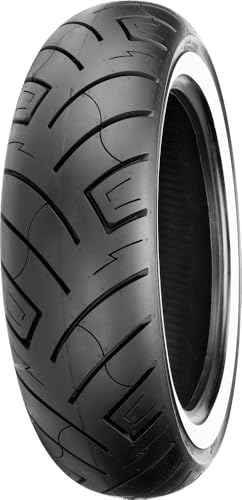
The Shinko 777 Rear H.D. stands apart with a white-wall sidewall and an 83H marking. Shinko describes the 777 as a cruiser tire with functional siping and grooves for wet- and dry-road traction, plus a compound intended for grip and comfort. The B in 170/80B-15 denotes a bias-belted construction designation, and the product name identifies it as tubeless. The white-wall look is the tradeoff for buyers who prefer a plain black sidewall; confirm the motorcycle accepts this size and construction before selecting it.
Bottom line: Choose this if you want a white-wall rear tire and your fitment calls for its 83H rating.
Kenda Cruiser K671 170/80H-15

The Kenda Cruiser K671 differs from the other choices by specifying a 6-ply rating and tubeless construction. Kenda says it is DOT-approved and H-rated for speeds up to 130 mph, with offset tread sipes for water dispersion and a stiff sidewall. The size is 170/80H-15, but no load index accompanies the H marking, so riders who must meet a minimum load index should verify that rating before buying. Its sport, touring, and cruiser applications make it relevant when tubeless construction is a priority.
Bottom line: Pick this if you need a tubeless 170/80H-15 tire and can confirm its load rating meets your requirements.
How to read a 170/80-15 tire size
A 170/80-15 tire has a nominal section width of 170 mm, an aspect ratio of 80%, and a rim diameter of 15 inches. The 80 aspect ratio means the sidewall height is nominally 80% of the section width, or about 136 mm; actual mounted dimensions can vary by tire design and measuring rim. A “B” in 170/80B-15 identifies bias-belted construction, while a hyphen without B is commonly used for a bias-ply designation. Match the full size and construction in the motorcycle manual, not just the 15-inch rim diameter.
Load and speed markings matter alongside size. Load index 77 corresponds to 908 pounds per tire, and 83 corresponds to 1,074 pounds; H is a speed category up to 130 mph. The tire’s required load capacity must account for the motorcycle, rider, passenger, and cargo, within the limits in the owner’s manual.
Choose a rear tire by fitment and rating
Choose the rear tire that matches the motorcycle manufacturer’s approved size, construction, and minimum load and speed ratings. A tire that physically fits a 15-inch rim can still be unsuitable if the construction, width, or rating differs from the approved specification. Compare the tire sidewall markings with the manual and any tire-fitment label before making a decision; do not assume a higher speed category alone makes another specification compatible.
For a practical decision rule, if the manual requires load index 83 or higher, do not select a 77-rated option; the 77 load index is 908 pounds, while 83 is 1,074 pounds per tire. A separate tube may be required on a spoked wheel even when a tire is tubeless-rated, while some wheels are designed for tubeless use. Confirm the wheel type and tire maker’s fitment guidance.
Rear tire markings and construction compared
Construction and rating markings help distinguish tires that share a nominal size. Bias-ply and bias-belted tires have different construction labels; use the construction the motorcycle manufacturer specifies rather than treating them as interchangeable. The table decodes terms appearing across these choices and gives a direct comparison for checking fit.
| Marking | What it indicates | Buyer check |
|---|---|---|
| 170/80-15 | 170 mm width, 80% aspect ratio, 15-inch rim | Match approved size |
| 77H | 908 lb load index; H speed category to 130 mph | Meet or exceed required rating |
| 83H | 1,074 lb load index; H speed category to 130 mph | Confirm wheel and tire fit |
| 170/80B-15 | Belted bias construction designation | Match specified construction |
A speed symbol is not a recommendation to ride at that speed, and the load index is a per-tire rating rather than a suggested cargo allowance. Never exceed the motorcycle’s gross vehicle weight rating or the tire’s rated capacity.
Maintain motorcycle tires and avoid fitment mistakes
Check tire pressure when the tires are cold, using the motorcycle maker’s pressure specification rather than the maximum pressure molded on the sidewall. Inspect tread, sidewalls, and the valve area regularly; cuts, bulges, exposed cords, or persistent pressure loss call for prompt professional assessment. Tread-wear indicators are typically molded into the main grooves, and a tire should be replaced when tread reaches those indicators or damage compromises its structure.
A frequent mistake is choosing by size while overlooking load index, construction, or tube compatibility. Motorcycle tire age also matters: manufacturers commonly recommend replacing tires around five years after installation or by ten years from manufacture, even if tread remains, but maker guidance differs. Check the date code and follow the tire and motorcycle manufacturers’ replacement guidance. Avoid overloading and verify pressure again after significant temperature changes.
Frequently Asked Questions
What does 170/80-15 mean on a motorcycle tire?
The marking means 170 mm nominal width, an 80% aspect ratio, and a 15-inch rim diameter. The nominal sidewall height works out to about 136 mm before accounting for tire design and measuring differences.
How many pounds can a 77H motorcycle tire carry?
A load index of 77 corresponds to 908 pounds per tire. The H symbol is a speed category up to 130 mph, not an indication of how much load the tire can carry.
What is the difference between 170/80-15 and 170/80B-15?
The B in 170/80B-15 identifies a bias-belted construction designation; the version without B is commonly shown as a bias-ply size. Use the construction specified for your motorcycle rather than assuming the two are interchangeable.
Can a tubeless motorcycle tire go on a spoked wheel?
Some spoked wheels require an inner tube, even with a tubeless-rated tire. Confirm the wheel’s design and the tire maker’s compatibility guidance before mounting.
When should a motorcycle tire be replaced?
Replace a tire when tread reaches its wear indicators or when damage such as a bulge, cord exposure, or deep cut compromises it. Many manufacturers advise replacement around five years after installation or ten years from manufacture, but their guidance can differ.