
Torriden Dive In Toner: Compare Hydrating Options

Torriden DIVE IN Toner 300 ml is the direct fit for a watery facial toner, with a 300 ml bottle and a quick-absorbing texture that the brand says suits makeup prep. Choose a different format if you want a thicker essence-like step or pre-soaked pads instead of a pour-on toner.
Apply facial toner after cleansing and before serum or moisturizer; use clean hands or a cotton pad, following the product’s intended application.
We earn a commission if you buy through links on this page. As an Amazon Associate I earn from qualifying purchases. Products are compared on manufacturer specifications, not hands-on testing.
- Best overall: Torriden DIVE IN Toner 300 ml – A 300 ml watery facial toner is the closest match to the search.
- Best for a richer layer: Torriden DIVE IN Skin Booster 200 ml – The brand describes this 200 ml skin booster as slightly thicker than water.
- Best for spot masking: Torriden DIVE IN Multi Pad, 80 pads – The 80 serum-infused pads are made to conform to the skin for targeted use.
| Product | Best for | Format | Volume or count | Texture | Shop |
|---|---|---|---|---|---|
| Torriden DIVE IN Toner 300 ml | Watery toner step | Facial toner | 300 ml | Watery | Check Price on Amazon |
| Torriden DIVE IN Skin Booster 200 ml | Thicker toner layer | Skin booster / facial essence | 200 ml | Slightly thicker than water | Check Price on Amazon |
| Torriden DIVE IN Multi Pad, 80 pads | Targeted pad masking | Serum-infused facial pads | 80 pads | Soft cotton pads | Check Price on Amazon |
| ROUND LAB 1025 Dokdo Toner, 6.76 fl oz | Oil-control toner | Facial toner | 6.76 fl oz | Water-type | Check Price on Amazon |
Torriden Dive In Toner and Related Hydrating Formats
Compare the toner with nearby formats by how they are applied and the texture you prefer.
Torriden DIVE IN Toner 300 ml

For a conventional pour-on toner, this is the direct match: the 300 ml bottle is larger than the related booster and comes in a watery format. The brand says its five-type hyaluronic acid complex supports hydration and that the lightweight texture absorbs quickly without stickiness. Its watery feel may be less appealing if you want a more substantial essence-like layer; the Skin Booster is the thicker Torriden option in this group.
Bottom line: Pick this for a full-size watery toner step before the rest of your routine.
Torriden DIVE IN Skin Booster 200 ml

This is the richer-format alternative for someone who finds water-based toners insufficient: it is described as a facial essence or skin booster, not the standard toner format. The brand says its five-type hyaluronic acid complex provides hydration and balancing benefits; the texture is slightly thicker than water. Choose it when you want a more substantial layer; choose the watery toner if a light, quick-absorbing feel is the priority.
Bottom line: Choose this when a watery toner feels too light for your preferred layering routine.
Torriden DIVE IN Multi Pad, 80 pads

These pre-soaked pads change the application method: use a pad where you want a localized mask-like step rather than pouring toner into your hands. The brand says the serum-infused cotton pads hydrate and soothe, conform to skin, and help reduce skin temperature immediately upon use. The pack contains 80 pads and names hyaluronic acid, panthenol, and allantoin. Pads suit someone who values targeted placement and a ready-to-use format; they are not a bottle of toner for covering the whole face in a quick pour-on step.
Bottom line: Pick the pads for localized application rather than a standard toner bottle.
ROUND LAB 1025 Dokdo Toner, 6.76 fl oz
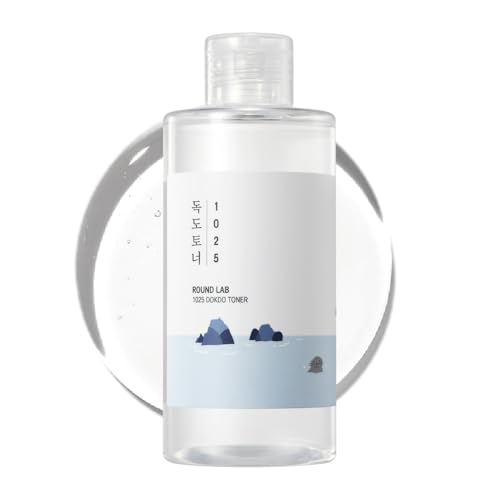
This is the alternative toner for shoppers prioritizing oil control and gentle exfoliation rather than Torriden’s named hydration focus. The brand says the formula helps reduce excess sebum and remove dead skin cells while moisturizing; its texture is lightweight and water-type. The product is positioned for oily or combination skin, and the container is 6.76 fl oz. If your main goal is the Torriden DIVE IN line or its five-type hyaluronic acid complex, this is a different brand and purpose; consider it when the oil-control angle matters more.
Bottom line: Choose this alternative when oil control and gentle exfoliation are your priorities.
How to Choose a Facial Toner Format
Choose by the texture and application step you want: a watery toner is a light, pour-on layer, while a booster is a thicker essence-like layer and pads are pre-soaked for targeted placement. Toners typically go after cleansing and before serums or moisturizer, so keep the order consistent when comparing how a formula fits your routine. A practical rule is to choose the watery format if you want a fast, light-feeling layer; choose the thicker booster if you want more substance at that step. Pads make sense when spot application is more useful than applying product evenly over the whole face. Introduce one new leave-on product at a time, and patch test first, especially if your skin is sensitive.
How to Layer Toner With Other Skincare
Apply toner after cleansing and before thicker leave-on products; this order keeps lighter textures earlier in the routine. Use a small amount with clean hands or a cotton pad, then give the skin a moment to settle before adding serum or moisturizer. If you use pads, follow their placement purpose rather than stacking them with multiple toner layers by default. Avoid combining several new products at once: if irritation occurs, it is easier to identify the recent change when you introduce one product at a time. For daytime routines, sunscreen is the final skincare step before makeup; toner does not replace sun protection. A toner’s place in a routine is about its texture and format, not a requirement to use one.
Watery Toner, Booster and Serum Pads Compared
Format is the main distinction: a bottle of watery toner is intended as a broad, light layer, a thicker booster offers a more substantial essence-like step, and serum pads offer localized application. Compare formats using this guide rather than treating all hydrating products as interchangeable. The best fit depends on whether you want a whole-face layer or targeted placement.
| Format | Application | Useful when |
|---|---|---|
| Watery toner | Hands or cotton pad | You want a light, whole-face step |
| Skin booster | Essence-like layer | You prefer more texture |
| Serum pads | Place on selected areas | You want targeted application |
Do not assume that a thicker formula is automatically more effective or that pads replace every other step. Match the format to how you intend to apply it.
How to Use Toner Pads Safely
Use toner pads as a brief, localized step rather than leaving them on indefinitely; prolonged contact can be uncomfortable, particularly if skin is reactive. Avoid rubbing hard, since friction can aggravate sensitive skin even when a formula is marketed for soothing. Keep pads away from the eyes and discontinue use if burning, swelling, or persistent redness develops. For products with exfoliating ingredients, avoid layering them immediately with other strong exfoliating steps until you know how your skin responds. The pad product here is described as serum-infused and intended for spot masking, but the facts do not establish an exfoliating ingredient in it. If a product’s packaging gives a specific duration or caution, use that guidance rather than extending contact time.
Frequently Asked Questions
Should I apply toner before or after serum?
Apply toner after cleansing and before serum, then follow with moisturizer. Lighter, more watery textures generally come before thicker leave-on products.
Can I use toner every day after cleansing?
Many basic hydrating toners can be used daily, but frequency depends on the formula and your skin’s response. Start once a day with a new product and reduce use if irritation develops.
Do I need a cotton pad to apply toner?
No; clean hands work for many watery toners, while a cotton pad can help with even application. Avoid scrubbing, especially if your skin is sensitive.
How long should toner pads stay on my skin?
Use toner pads briefly as directed on their packaging rather than leaving them on indefinitely. Remove them if you feel burning or uncomfortable tightness.
Should I patch test a new facial toner first?
Yes; try a small area first and watch for irritation before applying a new toner across your face. Introduce one new leave-on product at a time so a reaction is easier to trace.