
Clay Soil for Lotus Plants: 3 Options Compared

For clay soil for a lotus plant, Omitgoter Aquatic Plant Soil, 3.3 lb is the most direct match because its name specifies a clay base for lotus and water lily. Choose between the other options based on package size and intended use; buyers seeking media with documented water-clarity features should choose a different type.
We earn a commission if you buy through links on this page. As an Amazon Associate I earn from qualifying purchases. Products are compared on manufacturer specifications, not hands-on testing.
- Best overall: Omitgoter Aquatic Plant Soil, 3.3 lb – Its name identifies a clay-base aquatic soil specifically for lotus and water lily.
- Best for small ponds: Doter Aquatic Soil, 2.2 lb – The maker describes it as clay aquarium soil suitable for small ponds and water plants.
- Best for container ponds: Aquatic Plant Soil, Clay-Based, 2 lb – Its name specifies clay-based media for small ponds, water gardens, and container ponds.
| Product | Best for | Package weight | Clay description | Intended use | Shop |
|---|---|---|---|---|---|
| Omitgoter Aquatic Plant Soil, 3.3 lb | Lotus planting | 3.3 lb | Clay base | Lotus and water lily | Check Price on Amazon |
| Doter Aquatic Soil, 2.2 lb | Small ponds | 2.2 lb | Clay aquarium soil | Small ponds and water plants | Check Price on Amazon |
| Aquatic Plant Soil, Clay-Based, 2 lb | Container ponds | 2 lb | Clay-based | Small ponds and water gardens | Check Price on Amazon |
Clay Soil for Lotus Plants
Compare these clay-based aquatic soils by package size and the planting situations named for each one.
Omitgoter Aquatic Plant Soil, 3.3 lb
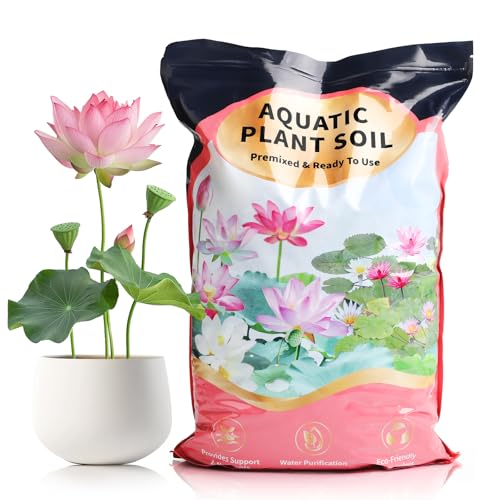
For shoppers focused on clay soil for lotus, this 3.3-pound option explicitly identifies a clay base and names lotus and water lily as intended plants. The maker describes the mixture as natural and says it supports microbial activity and helps secure aquatic plants. Its uses also extend to aquariums, hydroponic gardens, and terrariums, so it may suit buyers with more than one planting project. The limitation is that no package volume is given; buyers sizing a pot by fill depth should compare the required volume before choosing.
Bottom line: Choose this if you want a clay-base medium explicitly named for lotus.
Doter Aquatic Soil, 2.2 lb

For small-pond use, this 2.2-pound product is explicitly described as clay aquarium soil for pond and water plants including lotus and water lily. The maker says the medium is formulated for nutrient support, root anchoring, and water retention, and calls it suitable for aquatic life. Its compact package size may be useful when planting a smaller area or testing a medium in one pot.
Bottom line: Pick this for a small pond planting where a compact clay-soil package fits the job.
Aquatic Plant Soil, Clay-Based, 2 lb

For container ponds and patio water gardens, this 2-pound option is named as clay-based aquatic soil for lotus and water lily. Its product text specifically treats floating white particles as natural perlite that may settle or break into smaller inert particles over time, a useful distinction for buyers who notice them after soaking. The intended settings include small ponds, garden water features, and containers.
Bottom line: Choose this for a small water garden or container pond when clay-based media is the priority.
How to choose clay soil for lotus plants
Choose a heavy aquatic planting medium that stays in the pot rather than floating or clouding the water. Ordinary potting mix often contains peat, bark, or compost that can rise to the surface and release excess nutrients; use a dense mineral or clay medium instead. For a small lotus, a container about 12 inches wide is a common starting point, while larger varieties need more room for spreading leaves and rhizomes. Select a pot without drainage holes so soil and nutrients remain contained. The table matches the three clay-based options here to the use each product names.
| Planting need | Option | Deciding detail |
|---|---|---|
| Clay-base lotus soil | Omitgoter Aquatic Plant Soil, 3.3 lb | Names lotus and water lily |
| Small pond use | Doter Aquatic Soil, 2.2 lb | Clay aquarium soil, 2.2 lb |
| Container water garden | Aquatic Plant Soil, Clay-Based, 2 lb | Clay-based, 2 lb |
Lotus soil depth and pot fit
Lotus rhizomes need a broad, stable planting area, and a typical potting layer is about 2 to 4 inches of heavy soil. Set a rhizome horizontally with its growing tip near the surface; burying the tip can impede growth. Keep the soil below the waterline, but do not assume every lotus wants the same water depth: dwarf varieties tolerate shallower water than large lotus. A practical fit rule is to use a pot at least 12 inches wide for a small variety and choose a wider container if the mature plant is larger. Avoid narrow, shallow baskets that give the rhizome little room to spread.
Planting lotus in clay soil
Plant lotus in a submerged pot, not loose soil across the pond bottom, so the rhizome stays contained and the plant can be moved or divided. Add the soil first, place the rhizome horizontally, and cover it lightly while leaving the growing tip uncovered. A thin layer of washed gravel over the soil can help limit disturbance from fish, but keep gravel away from the tip. Use aquatic fertilizer tabs only as labeled for pond plants; excess nutrients can encourage algae. Do not add garden compost or manure to the pot, because loose organic material can cloud water and raise nutrient levels.
Clay soil care and common mistakes
Top off a lotus pot only when settling exposes the rhizome, and remove decaying leaves so they do not decompose in the water. Lotus are usually dormant in cold seasons; avoid disturbing a dormant rhizome unless repotting or dividing is needed. A frequent mistake is treating floating particles as proof that the whole medium is unsuitable: some mineral ingredients can float briefly before settling, while persistent cloudiness may signal loose soil or a disturbed pot. Keep the pot stable and avoid pouring water directly onto bare soil. In ponds with fish, prevent them from digging into the planting medium, which can uproot the rhizome and cloud the water.
Frequently Asked Questions
Can I use regular garden soil for a lotus plant?
Use heavy, mineral-rich loam or aquatic clay rather than standard potting mix. Potting mixes with peat, bark, or compost can float and release nutrients into pond water.
How deep should soil be in a lotus pot?
A 2- to 4-inch soil layer is a common starting depth for a lotus rhizome. Keep the growing tip at the surface and adjust the surrounding water depth to the lotus variety.
Does a lotus pot need drainage holes?
A submerged lotus pot generally should not have drainage holes, because openings can let soil escape and fish disturb the rhizome. Use a stable container wide enough for the plant’s mature size.
How do you position a lotus rhizome in soil?
Lay the rhizome horizontally in the soil with its growing tip near or just above the surface. Cover the body lightly rather than burying the growing tip.
Can fish live with lotus in clay soil?
Fish can share a pond with potted lotus, but they may dig into exposed soil and disturb the rhizome. A light layer of washed gravel can discourage digging while leaving the growing tip clear.