
Best Muscle Rub for Dogs: 4 Topical Options Compared

Absorbine Veterinary Liniment Gel, 12 oz is the best muscle rub for dogs for most buyers who want a gel format, while Vetality Muscle Rub Ointment, 3 fl oz may suit those looking for an ointment featuring green-lipped mussel. Topical rubs are products applied to the skin; choose a formula specifically intended for dogs and follow its label.
For a dog with sudden, severe, or persistent pain, choose veterinary care instead of a rub: soreness can signal an injury that needs diagnosis.
We earn a commission if you buy through links on this page. As an Amazon Associate I earn from qualifying purchases. Products are compared on manufacturer specifications, not hands-on testing.
- Best overall: Absorbine Veterinary Liniment Gel, 12 oz – A 12-ounce gel format distinguishes it from the smaller ointment and cream options.
- Best for ointment format: Vetality Muscle Rub Ointment, 3 fl oz – The 3-fluid-ounce ointment features New Zealand green-lipped mussel.
- Best for cream format: Muscle and Joint Pain Relief Cream for Dogs – The cream is designed to be rubbed onto the skin rather than sprayed.
| Product | Best for | Format | Size | Highlighted ingredients | Shop |
|---|---|---|---|---|---|
| Absorbine Veterinary Liniment Gel, 12 oz | Gel format | Gel | 12 oz | Menthol, herbal extracts | Check Price on Amazon |
| Vetality Muscle Rub Ointment, 3 fl oz | Ointment formula | Ointment | 3 fl oz | New Zealand green-lipped mussel | Check Price on Amazon |
| Muscle and Joint Pain Relief Cream for Dogs | Massage cream | Cream | — | Wintergreen, arnica | Check Price on Amazon |
| Dr. Milt’s Dog Pain Away Gel, 2 oz | Two-pack gel | Gel | 2 oz per gel; 2-pack | Magnesium sulfate, arnica, menthol | Check Price on Amazon |
Dog Muscle Rubs Compared
Compare each topical option by format and formula, then choose only a product whose label fits your dog’s needs.
Absorbine Veterinary Liniment Gel, 12 oz
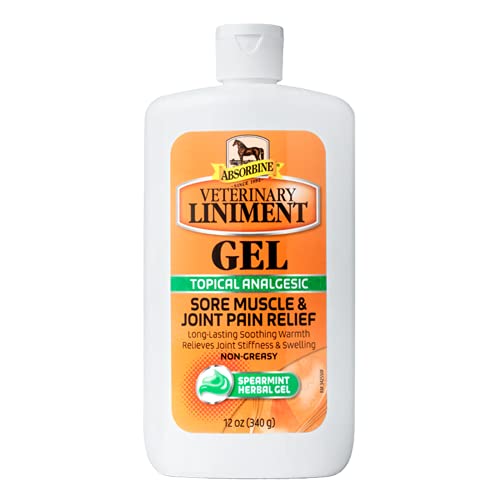
Absorbine Veterinary Liniment Gel, 12 oz stands apart with a 12-ounce gel format and a menthol-and-herbal-extract formula. The maker describes it as a topical rub for sore muscles and arthritis, with a spearmint scent; the product name also identifies a warm sensation. Its gel consistency may appeal to people who prefer applying a rub rather than an ointment or cream. Before using any topical product on a dog, check the label for species, application directions, and precautions about licking. This option may not suit buyers who specifically want a cream or ointment texture.
Bottom line: Choose this if you want a larger gel format with menthol and herbal extracts.
Vetality Muscle Rub Ointment, 3 fl oz

Vetality Muscle Rub Ointment, 3 fl oz is the ointment option, and its formula highlights New Zealand green-lipped mussel. The maker says it is intended for external use for hip, joint, or muscle discomfort and describes the action as fast; those are product claims, not a diagnosis or a substitute for veterinary advice. The lemon-scented 3-fluid-ounce size is smaller than the 12-ounce gel option. Choose this format if you prefer an ointment and want the named mussel ingredient; it is a less suitable fit if you want a larger container or a cream.
Bottom line: Pick this if you prefer an ointment that features green-lipped mussel.
Muscle and Joint Pain Relief Cream for Dogs

Muscle and Joint Pain Relief Cream for Dogs is the cream choice, with wintergreen and arnica among five natural active ingredients identified by the maker. The maker says to part the coat so the cream contacts the skin and describes the formula as quick-absorbing. That application approach makes this option distinct from a gel or ointment for buyers who want a cream to massage in. The specifications do not give a container size, so compare the package itself if amount matters to your choice. Because dogs may lick topical products, use only as directed and keep the treated area from being groomed when the label requires it.
Bottom line: Choose this if a massage-in cream is your preferred format.
Dr. Milt’s Dog Pain Away Gel, 2 oz

Dr. Milt’s Dog Pain Away Gel, 2 oz comes as two 2-ounce gels and names magnesium sulfate, witch hazel, menthol, arnica, wintergreen, and peppermint oil in its formula. The maker describes the gel as non-greasy and quick-absorbing and says it is veterinarian-formulated. Its multi-ingredient formula sets it apart from options whose feature lists emphasize fewer named ingredients. This is a compact two-pack rather than a single larger container, so it may suit someone who prefers smaller portions. Check the label carefully for application directions and licking precautions, particularly with a formula containing aromatic ingredients.
Bottom line: Pick this if you want two smaller gels and a formula with several named ingredients.
How to choose a muscle rub for dogs
Start with the cause and severity of the soreness, then consider format and the label. A topical rub cannot identify a sprain, fracture, or other cause of pain; sudden limping, swelling, or pain that persists warrants a veterinary exam. Choose a product whose label explicitly permits use on dogs, and follow the amount and frequency printed there rather than borrowing directions from a human liniment. Compare gel, ointment, and cream by how you can apply them without stressing the dog. If the dog resists handling or the sore area is near the eyes, mouth, or broken skin, stop and ask a veterinarian before applying anything.
Topical formats and application
Gels, ointments, and creams differ mainly in consistency and how they are worked over the coat. Cream directions may call for parting the fur so the product reaches skin, as with Muscle and Joint Pain Relief Cream for Dogs, while the gel products here are distinct options for buyers who prefer that texture. Dogs can lick their coats, so prevent grooming of a treated area until the product is absorbed or the label says it is safe; if the directions do not make that clear, check with a veterinarian before use. A simple choice table helps match format to preference, not medical need.
| Preferred format | Option | What distinguishes it |
|---|---|---|
| Gel | Absorbine Veterinary Liniment Gel, 12 oz | 12-ounce container |
| Ointment | Vetality Muscle Rub Ointment, 3 fl oz | Green-lipped mussel highlighted |
| Cream | Muscle and Joint Pain Relief Cream for Dogs | Massage-in application |
| Two small gels | Dr. Milt’s Dog Pain Away Gel, 2 oz | Two 2-ounce containers |
Dog safety and muscle rub ingredients
Do not assume that a rub made for people is safe for dogs: dogs may lick residue from their coat, and some human topical pain products contain ingredients harmful to pets. Wintergreen oil can contain methyl salicylate, a salicylate that can be toxic to dogs if swallowed; keep any product containing it out of reach and prevent licking according to veterinary advice and the label. Do not apply a topical formula to eyes, mouth, or damaged skin unless its label specifically permits it. If a dog licks a product or develops an unusual reaction, contact a veterinarian or animal poison-control service promptly and have the product package available.
When soreness needs veterinary care
A rub is not the right first step for severe, sudden, or recurring pain. A dog that will not bear weight, has visible swelling, cries out, or becomes lethargic needs prompt veterinary guidance rather than repeated topical applications. Keep activity quiet while arranging care; avoid running and jumping until the cause is known. Never give human pain relievers such as ibuprofen or naproxen unless a veterinarian specifically directs it, because these medicines can seriously harm dogs. For mild post-activity stiffness that quickly resolves, ask the veterinarian whether a dog-labeled topical product is appropriate before making it part of a routine.
Frequently Asked Questions
Can I use a human muscle rub on my dog?
Do not use a human muscle rub on a dog unless a veterinarian specifically approves that exact product. Dogs can lick residue, and some topical ingredients, including methyl salicylate in wintergreen oil, can be toxic when swallowed.
How do I stop my dog licking muscle rub?
Prevent licking until the product is absorbed or its label gives a safe interval. If the label does not address licking, ask a veterinarian before applying it; licking can lead to swallowing ingredients intended for skin use.
Should I rub a sore leg if my dog is limping?
A new or persistent limp should be assessed by a veterinarian before applying a rub. A dog that will not bear weight, has swelling, or shows marked pain needs prompt veterinary guidance.
Can I give my dog ibuprofen for muscle pain?
Human pain relievers such as ibuprofen and naproxen can seriously harm dogs, so contact a veterinarian for a safe plan.
When should a dog see a vet for muscle soreness?
Seek veterinary care for severe or sudden pain, inability to bear weight, visible swelling, or soreness that persists or returns. These signs can reflect an injury or another problem that a topical rub cannot diagnose.