
Lee Classic Cast Press: Models and Kits Compared

The Lee Classic Cast Press is the direct match for a single-stage reloading press, with a rigid cast-iron O-frame and an adjustable handle. Choose a kit or turret alternative if you want bundled equipment or a different press style.
Reloading presses size and seat cases through dies; use current published load data and verify each component and setting before loading ammunition.
We earn a commission if you buy through links on this page. As an Amazon Associate I earn from qualifying purchases. Products are compared on manufacturer specifications, not hands-on testing.
- Best overall: Lee Classic Cast Press 90998 – The direct match has a cast-iron O-frame, adjustable handle, and accepts standard shell holders.
- Best for .50 BMG: Lee Classic Cast .50 BMG Kit 90859 – The product name identifies it as a Classic Cast .50 BMG kit.
- Best for a turret setup: Lee Classic Turret Press Kit – The kit includes the Classic Turret Press and Pro Auto-Drum powder measure.
| Product | Best for | Press type | Included equipment | Frame or fit | Shop |
|---|---|---|---|---|---|
| Lee Classic Cast Press 90998 | Single-stage reloading | Single-stage | Press only | Cast-iron O-frame | Check Price on Amazon |
| Lee Classic Cast .50 BMG Kit 90859 | .50 BMG kit | Single-stage kit | .50 BMG kit | — | Check Price on Amazon |
| Lee Classic Turret Press Kit | Turret press kit | Turret kit | Pro Auto-Drum measure | Turret press | Check Price on Amazon |
| Lee Reloading Press 90045 | Basic press option | Reloading press | — | — | Check Price on Amazon |
Lee Classic Cast Press and Related Reloading Presses
Compare the direct-match press with related Lee press kits by design and included equipment.
Lee Classic Cast Press 90998

The Lee Classic Cast Press is the direct match for a standalone single-stage press. Its rigid cast-iron O-frame, long stroke, and adjustable handle are designed to provide room for varied reloading operations while limiting handle travel. The ram insert rotates to allow primer installation on either side, and the press accepts standard shell holders.
Choose it if you want a press rather than a bundled kit. Its single-stage workflow handles one operation at a time, so it is less suited to someone prioritizing the faster cycling of a turret press.
Bottom line: Pick this press for a standalone, single-stage setup with a cast-iron O-frame.
Lee Classic Cast .50 BMG Kit 90859

The Classic Cast .50 BMG Kit is the related option identified specifically for .50 BMG, rather than a standalone Classic Cast press. Its product name identifies a single-stage press kit, so it is the closest alternative for someone seeking a kit built around that cartridge.
Choose it only when the .50 BMG kit is the intended setup; it is not the same purchase as the standalone 90998 press. Confirm that the kit’s included components suit your planned operation before ordering, since the specifications do not enumerate them.
Bottom line: Pick this kit when a .50 BMG-specific setup is your priority.
Lee Classic Turret Press Kit
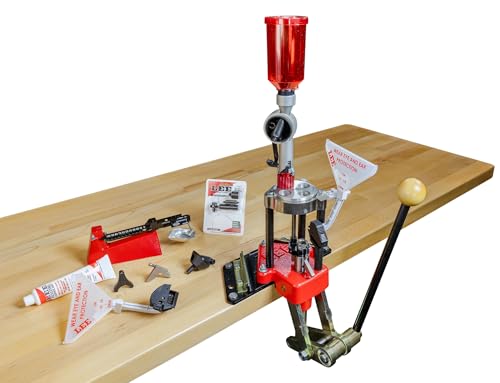
The Lee Classic Turret Press Kit changes the press style and bundles a Pro Auto-Drum powder measure and riser. The specifications say it is intended for handgun and small rifle cartridges, making it a more complete route for those who want a turret setup rather than the standalone Classic Cast.
The kit does not include the separate Bench Plate system mentioned in its specifications. Choose it for the turret design and included measure, but account for any additional mounting equipment your bench requires.
Bottom line: Choose this kit for a turret press with a powder measure included.
Lee Reloading Press 90045
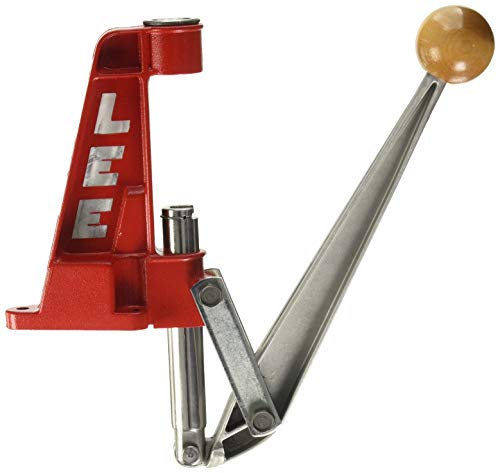
The Lee Reloading Press 90045 is identified simply as a reloading press, so it is a more general alternative than the Classic Cast model or the cartridge-specific and turret kits. The specifications provide no press design or included equipment to distinguish it further.
Consider it only if you are comparing Lee press options and can verify the model’s frame style, shell-holder compatibility, and included parts before buying. Those details matter when matching a press to existing dies and bench equipment.
Bottom line: Consider it only after confirming its design and compatibility for your setup.
How to Choose a Reloading Press
Choose a single-stage press for deliberate, one-operation-at-a-time work, or a turret press when you want dies arranged on a rotating head. A single-stage workflow means changing or repositioning dies between operations; turret designs can reduce that handling, though actual output depends on the operator and setup. For the products here, the Classic Cast is a standalone single-stage press, while the Classic Turret is a kit with a powder measure and riser. Before deciding, match the press to your cartridge and the dies you plan to use. Reloading data is specific to the cartridge, bullet, powder, and primer combination: use current published data for the exact combination and never substitute a component based only on similar dimensions.
Matching Shell Holders, Dies, and Bench Setup
Match a press to its shell holder and die thread before buying; standard U.S. reloading dies commonly use 7/8-14 threads, but verify compatibility for the specific press and dies. The Classic Cast specifications say it accepts standard shell holders, which helps when assembling a conventional setup. A press also needs a rigid bench mount: flex can affect leverage and repeatability, so secure the press to a sturdy surface and keep its mounting hardware tight. The Classic Turret kit’s specifications distinguish the separately sold Bench Plate system, so account for mounting needs when comparing kit contents. Check clearance for the handle’s full arc and for the longest cartridge you plan to process; do not assume a press labeled for a cartridge includes every required die or component.
Single-Stage and Turret Presses Compared
Press style determines how cases move between reloading steps, not whether a load is safe. A single-stage press performs one die operation at a time, while a turret press holds multiple dies in a rotating head. Use this distinction to match the pace and workflow you prefer, then verify cartridge and component compatibility separately.
| Need | Press style | Why |
|---|---|---|
| One operation at a time | Single-stage | Focuses on a single die operation before changing steps |
| Multiple dies on a rotating head | Turret | Allows the operator to rotate among mounted dies |
| .50 BMG-specific kit | Cartridge-specific kit | Start with the kit named for the intended cartridge and verify components |
For less than four inches of usable bench clearance around the mounting point, measure the handle’s movement before choosing a location; the full arc needs room without hitting a wall or shelf. A rotating turret does not replace load-data checks or inspection between operations.
Reloading Press Safety and Common Mistakes
Use published load data for the exact cartridge and component combination, and stop if a component or charge cannot be positively identified. A wrong powder or an unverified substitution can create dangerous pressure; keep powders in their original labeled containers and avoid mixing components on the bench. Follow the data’s charge range and never exceed its maximum. Check cases for cracks, splits, or other damage before loading, and remove questionable cases from the process. Keep primers and powder away from heat, sparks, and open flame, and wear eye protection during priming. A press provides leverage, not a measurement of powder charge: weigh and verify charges with suitable equipment rather than inferring them from handle feel or a press stroke.
Frequently Asked Questions
What does a single-stage reloading press do?
A single-stage press uses one die operation at a time to process a case. Reloading typically involves separate sizing, priming, powder charging, and bullet seating steps, with each step checked against the applicable load data.
Are standard shell holders compatible with the Classic Cast?
The Classic Cast specifications say it accepts standard shell holders. Confirm the shell holder matches the cartridge case head, and verify die thread compatibility before setting up.
What does a turret press change in reloading?
A turret press keeps multiple dies on a rotating head so the operator can move among operations without removing each die. It does not make load data interchangeable; powder, primer, bullet, and cartridge must still match published data.
How much bench clearance does a reloading press need?
Allow enough room for the handle’s full arc and for the longest case or cartridge you will process. Measure the available space before mounting, especially when a wall or shelf is within four inches of the press area.
How should I verify a reloading powder charge?
Use suitable measuring equipment to verify the charge against published data for the exact component combination. Never identify a powder by appearance or rely on handle feel as a charge measurement.