
Best Catfish Skinning Pliers: 4 Models Compared

HappyAlley Catfish Skinning Pliers is the best fit for most people because its textured grips are designed for controlled pulling on catfish skin and membranes. Choose Myron Mixon Rib Membrane Remover instead if you want a tool specifically described for barbecue rib membrane removal, or Commercial Grade Stainless Skinning Plier if a cutting edge matters for tough skin.
We earn a commission if you buy through links on this page. As an Amazon Associate I earn from qualifying purchases. Products are compared on manufacturer specifications, not hands-on testing.
- Best overall: HappyAlley Catfish Skinning Pliers – Its textured grip is made for controlled pulling during catfish skin and membrane removal.
- Best for barbecue prep: Myron Mixon Rib Membrane Remover – 1045 steel, a PFOA-free Teflon coating and precision jaws suit rib membrane removal.
- Best for tough skin: Commercial Grade Stainless Skinning Plier – A sharp cutting edge is intended to help with tough skin.
| Product | Best for | Construction | Length | Grip or coating | Shop |
|---|---|---|---|---|---|
| HappyAlley Catfish Skinning Pliers | General catfish prep | Carbon steel | 0.39 in | Textured grips | Check Price on Amazon |
| Myron Mixon Rib Membrane Remover | Barbecue membrane prep | 1045 steel | 6.5 in | PFOA-free Teflon | Check Price on Amazon |
| Commercial Grade Stainless Skinning Plier | Tough skin removal | Stainless steel | 5.5 in | PVC handle | Check Price on Amazon |
| Maybrun Commercial Catfish Skinner | Commercial-style skinner | — | 10 in | — | Check Price on Amazon |
Catfish Skinning Pliers Compared
Compare the jaw and handle features that shape how each tool handles skinning and membrane removal.
HappyAlley Catfish Skinning Pliers
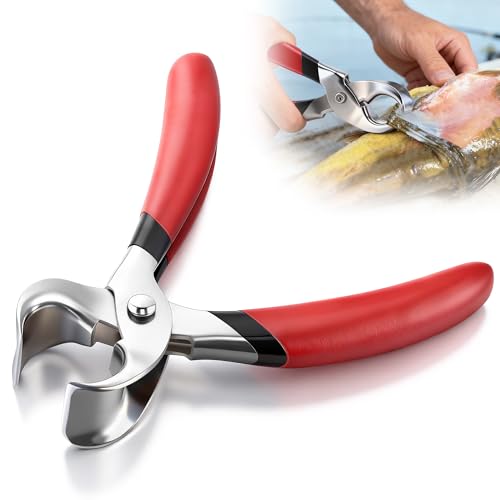
HappyAlley Catfish Skinning Pliers stands out for its textured grips, which are designed for controlled pulls when removing catfish skin, silver skin or unwanted membranes. Its carbon steel construction is also intended for rib membrane removal, so it can bridge fish preparation and barbecue trimming. The red handle is the only color named for this tool. The specifications give the same 0.39-inch measurement for height, length and width, so those figures do not establish a practical jaw span or handle size; buyers who need a particular reach should confirm the dimensions before choosing.
Bottom line: Pick this if textured handling for fish skin and membranes is your priority.
Myron Mixon Rib Membrane Remover
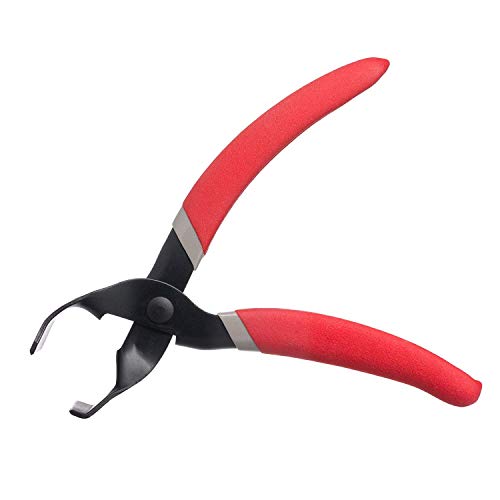
Myron Mixon Rib Membrane Remover is the clearest barbecue-focused choice, with precision jaws shaped to grip rib silver skin and a 6.5-inch overall length. Its 1045 steel body has a PFOA-free Teflon coating, and the red textured grip overlays a gray PVC base. The coated steel construction is intended to simplify wipe-down and resist rust, but a coating still needs gentle cleaning rather than abrasive scouring that can wear the surface. Choose this model when rib preparation is as important as catfish skinning; its features focus more directly on membrane work than on a cutting edge for thick fish skin.
Bottom line: Choose this for rib membranes and a coated steel body.
Commercial Grade Stainless Skinning Plier

Commercial Grade Stainless Skinning Plier differs from the other options by pairing stainless steel with a sharp cutting edge intended to help cut tough skin. A heavy spring supports the tool’s action, while the PVC-coated handle is designed to resist slipping. Its 5.5-inch length and 3.5-inch width give a broader listed footprint than the 6.5-inch overall tool in this group, so consider storage space as well as hand control. The cutting edge is the deciding feature for thick skin, but it requires careful handling around fingers and should be kept covered or stored securely between uses.
Bottom line: Pick this when tough skin and a cutting edge are the deciding factors.
Maybrun Commercial Catfish Skinner
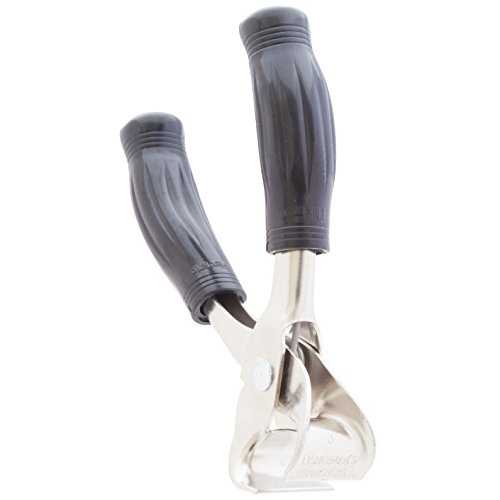
Maybrun Commercial Catfish Skinner is identified as a commercial catfish skinner, making its intended job more direct than a general fish or barbecue membrane tool. The package measurements include a 10-inch length, but that is a package dimension rather than a confirmed working length of the pliers. Its specifications do not give a material, jaw shape or handle treatment, so this option is harder to compare on grip, rust resistance and skinning control. Choose it only if the commercial catfish skinner designation is the main match you need and the actual tool dimensions suit your setup.
Bottom line: Choose this if the commercial catfish skinner designation fits your needs.
How to Choose Catfish Skinning Pliers
Jaw grip and hand control matter more than a broad claim of heavy-duty construction. Skinning pliers work by clamping a small edge of skin so the user can pull it away from the fish; fine-contact jaws help hold thin membrane, while a cutting edge can assist when skin is especially tough. Look for a spring or handle design that lets the jaws reopen and keeps the grip steady through repeated pulls. Stainless steel resists corrosion better than uncoated carbon steel, while coated steel can add a barrier but needs nonabrasive cleaning. For a fish-only task, prioritize secure jaw contact; for occasional rib prep too, a tool described for both jobs can be more versatile.
Catfish Pliers for Skin and Rib Membranes
Catfish skinning and barbecue membrane removal use a similar clamp-and-pull motion, but they are not identical jobs. Catfish skin can be thicker and slippery, so a sharp edge or a firm jaw grip may matter more than a smooth coating. Rib silver skin is thin and tears easily; a narrow, precise jaw contact can help lift the membrane without shredding it. Use the tool on a stable work surface and pull away from your body, keeping fingers clear of jaws and any cutting edge. A general fish skinner can handle occasional membrane work, but frequent grilling prep favors jaws specifically shaped for silver skin.
Steel, Corrosion and Cleaning
Stainless steel is a practical choice around wet fish because it resists rust more readily than ordinary carbon steel, though it still benefits from prompt washing and drying. A Teflon-coated steel surface can add corrosion resistance and ease cleanup, but damaged or worn coating reduces that barrier. Wash skinning pliers with warm soapy water after fish handling, rinse away residue around the jaw pivot, then dry fully before storage; saltwater residue makes rinsing especially important. Avoid leaving any pliers submerged or wet in a tackle box. If the tool has a spring, keep debris out of the hinge so the jaws continue to open and close freely.
Safe Technique for Skinning Fish
Keep the fish secured on a nonslip cutting surface and grip only a small tab of skin at a time; a short, controlled pull is easier to manage than a sudden yank. Direct the pulling motion away from your free hand, and keep fingers behind the jaws when closing the pliers. A tool with a cutting edge adds a separate cut hazard, so store it closed or sheathed and keep it away from children. Clean tools promptly after handling raw fish and wash hands and work surfaces to prevent cross-contamination. For tough skin, stop and reset the grip if the pliers slip rather than pulling harder toward your hand.
Frequently Asked Questions
How do catfish skinning pliers remove skin?
Catfish skinning pliers clamp onto a small edge of skin so you can pull the skin away while the fish stays secured. A firm jaw hold and short pulls help reduce slipping; keep the other hand behind the jaws.
Are catfish skinning pliers useful for ribs?
Some catfish skinning pliers are also designed to grip rib silver skin. Thin membrane tears more easily than fish skin, so precision jaw contact and gentle, steady pulling are useful.
How should I clean fish skinning pliers?
Wash the pliers with warm soapy water after handling fish, rinse the hinge and jaws, and dry them fully before storage. Saltwater residue makes prompt rinsing especially important.
Do stainless steel skinning pliers rust?
Stainless steel resists rust better than ordinary carbon steel, but it is not rustproof. Rinse off fish residue and dry the tool before storage, especially after saltwater use.
How can I use skinning pliers safely?
Secure the fish on a nonslip surface and pull away from your body with fingers clear of the jaws. If the tool has a cutting edge, store it closed or covered and out of children’s reach.