
Krazy Klean Toilet Cleaner: Automatic Options Compared

Krazy Klean Automatic Toilet Cleaner is the closest match for someone seeking Krazy Klean toilet cleaner because it installs in the tank and activates with each flush. Choose an alternative if you want a multi-unit pack or a product with a service duration; automatic cleaners support, rather than replace, regular bowl cleaning.
We earn a commission if you buy through links on this page. As an Amazon Associate I earn from qualifying purchases. Products are compared on manufacturer specifications, not hands-on testing.
- Best overall: Krazy Klean Automatic Toilet Cleaner – The 4.25-ounce system installs inside the tank and activates during each flush.
- Best for guest bathrooms: Automatic Drop-In Tank Cleaner – The drop-in tank-care unit claims up to 8 weeks of use.
- Best for multi-bathroom use: CECEBEAR In-Tank Cleaner, 3 Pack – The three-pack claims up to 100 days per unit.
| Product | Best for | Installation | Pack size | Claimed duration | Shop |
|---|---|---|---|---|---|
| Krazy Klean Automatic Toilet Cleaner | Flush-cycle upkeep | Tank placement | 1 | — | Check Price on Amazon |
| IBICF Automatic Toilet Cleaner | Scented upkeep | Tank-fed solution | — | — | Check Price on Amazon |
| Automatic Drop-In Tank Cleaner | Guest bathrooms | Drop-in tank placement | 1 | Up to 8 weeks | Check Price on Amazon |
| CECEBEAR In-Tank Cleaner, 3 Pack | Longer replacement interval | In-tank placement | 3 | Up to 100 days each | Check Price on Amazon |
| X-ALL White Tank Cleaner System, 3 Pack | Multiple bathrooms | Tank placement | 3 | — | Check Price on Amazon |
Krazy Klean Toilet Cleaner and Automatic Alternatives
Compare each option by how it goes into the toilet and what duration or pack count it claims.
Krazy Klean Automatic Toilet Cleaner

Unlike bowl-applied cleaners, this Krazy Klean system sits inside the toilet tank and activates during each flush. The 4.25-ounce unit installs without tools and is intended to help reduce buildup between regular cleanings, making it a fit for someone who wants ongoing maintenance rather than a scrub-free replacement for cleaning. The maker says results depend on water quality, use frequency and toilet condition, and that proper placement supports consistent performance. Its limitation is that no use duration is given, so it is harder to plan replacement timing than with options that claim a lifespan.
Bottom line: Choose this for flush-by-flush upkeep alongside routine bowl cleaning.
IBICF Automatic Toilet Cleaner
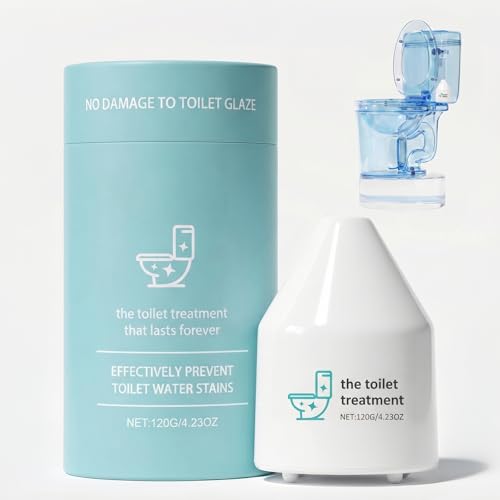
This IBICF option is presented as a tank-fed automatic solution with a fresh scent, unlike the no-tool solid system of Krazy Klean Automatic Toilet Cleaner. Its purpose is to refresh the bowl with each flush and address mineral deposits and odor; the specifications do not establish a verifiable duration or pack count, so it is difficult to compare replacement frequency. It may suit buyers who prioritize a scented automatic cleaner, but the claimed cleaning performance is not a substitute for brushing or a dedicated descaling clean when deposits remain visible. Check compatibility with your toilet’s tank components before choosing an in-tank cleaner.
Bottom line: Pick this if a fresh-scented automatic solution is your priority.
Automatic Drop-In Tank Cleaner

For an occasional-use bathroom, this drop-in tank-care product gives a more concrete duration than Krazy Klean Automatic Toilet Cleaner: it claims up to 8 weeks. The maker positions it for guest baths, rentals and small offices, where flush-cycle maintenance may help with everyday residue and odor between scheduled cleanings. A single unit is included, and the product is described as non-staining and porcelain-safe. The key limitation is that an eight-week claim is an upper bound, not a guaranteed interval; actual results can change with flush frequency and water conditions. It still does not eliminate the need for periodic manual cleaning.
Bottom line: Choose it for a lightly used bathroom where a duration helps with upkeep.
CECEBEAR In-Tank Cleaner, 3 Pack

CECEBEAR stands out for its per-unit duration: up to 100 days, with three cleaners in the pack. The maker says the dissolving formula helps maintain the bowl and avoid flakes or residue, and the product name also identifies it as septic-system friendly. That makes the pack relevant for households planning multiple replacement cycles or treating more than one bathroom. The duration is a claim rather than a guarantee, and results can vary with use and water conditions. Like other in-tank maintenance products, it should be paired with regular bowl cleaning instead of being treated as a complete cleaning routine.
Bottom line: Choose this if a three-unit pack and stated per-unit duration suit your maintenance schedule.
X-ALL White Tank Cleaner System, 3 Pack

X-ALL is a three-device tank system, making it a different choice from the single-unit Krazy Klean cleaner. Each device weighs 250 grams, and the maker describes a mineral-core design intended to help reduce hard-water stains and buildup with each flush. The product is also described as septic safe and designed without harsh cleaning chemicals. The three devices may suit a home with several toilets, but they remain maintenance aids; visible rings or deposits can still call for manual cleaning.
Bottom line: Choose this when you want three tank devices for separate toilets.
How to choose an automatic toilet cleaner
Choose by installation style first, then by whether a service interval matters to you. In-tank products release or use cleaning ingredients during flush cycles, while bowl-applied cleaners are used directly on the bowl; those are different routines, not interchangeable placements. For a single toilet, compare a one-unit system with a multi-pack and consider how often you are willing to replace it. A product that claims a duration gives a planning estimate, not a guarantee, because flush frequency and water conditions affect use. Automatic tank care is maintenance, not a substitute for brushing: if a ring or deposit remains visible, clean the bowl directly rather than expecting the tank device to remove it.
Tank placement and toilet compatibility
In-tank cleaners need to sit where the maker intends and must not interfere with the float, fill valve or flapper. Those parts control refilling and flushing, so a device that shifts into their path can affect toilet operation. Before placing a cleaner, check that the tank has room for it and that it does not obstruct moving parts; if the tank is crowded, use a bowl-applied cleaner instead. Water hardness also matters: mineral-heavy water can leave deposits despite automatic upkeep, while a lightly used toilet may consume a flush-activated product more slowly. Never combine cleaners in the tank. In particular, bleach and acids can react and release hazardous gas.
Automatic cleaners versus manual bowl cleaning
Automatic cleaners work over repeated flushes, while manual cleaning applies a brush and cleaner directly to the bowl. A tank device is convenient for routine upkeep, but it cannot reliably reach every stain or scrub the waterline. Use a toilet brush for visible soil and deposits, and follow a cleaner’s label for contact time and rinsing. For mineral scale, an acid-based toilet-bowl product is commonly used; do not mix it with bleach or other cleaners. A simple decision rule is to use automatic care for maintenance between cleanings, but switch to direct bowl cleaning whenever staining persists after several flushes.
| Need | Approach | Why it fits |
|---|---|---|
| Ongoing upkeep | In-tank automatic cleaner | Works across flush cycles |
| Visible bowl ring | Brush and bowl cleaner | Direct contact reaches the stain |
| Tank has crowded components | Bowl-applied cleaner | Avoids placing an object near moving parts |
How often to clean a toilet bowl
A weekly bowl cleaning is a useful baseline for a regularly used household toilet; clean more often when several people share it or visible soil appears sooner. Automatic products do not change that basic schedule because they do not scrub under the rim or around the waterline. Hard water can leave a mineral ring even in a clean bowl, so use a toilet-safe descaling product and brush rather than increasing the amount of an in-tank cleaner. For tank devices, follow the maker’s replacement directions and check function after installation: the toilet should refill and flush normally, with the device clear of the float and flapper.
Frequently Asked Questions
Do automatic toilet cleaners replace brushing?
No, automatic cleaners provide maintenance during flushes but do not scrub the bowl surface. Brush the bowl when soil or a ring is visible, and clean under the rim as part of regular upkeep.
Can bleach and toilet bowl cleaner be mixed?
No, never mix bleach with acid-based toilet cleaners. The combination can release chlorine gas, so use one product at a time and rinse before switching cleaners.
How often should a household toilet be cleaned?
A weekly bowl cleaning is a practical baseline for a regularly used home toilet. Shared bathrooms or visible soil may call for more frequent cleaning.
Why do hard-water rings return after cleaning?
Hard water leaves mineral deposits as water evaporates at the bowl’s waterline. A direct toilet-safe descaling cleaner and brushing address the ring more directly than an automatic tank device.
Where should an in-tank toilet cleaner sit?
Place it where its maker directs and keep it clear of the float, fill valve and flapper. Those moving parts regulate refilling and flushing, so an obstruction can disrupt operation.