
Spice Bags for Cooking: 3 Options Compared by Size

For most cooks, Unbleached Cotton Spice Bags, 3 x 4 Inch is the direct choice because its 3-by-4-inch cotton sachet is made for soup and comes in a 60-piece pack. Choose Cotton Cooking Spice Bags, 4.25 x 3.15 Inch for a slightly larger reusable cotton bag, or Disposable Cooking Bags, 4 x 5.9 Inch when a larger disposable bag better suits your recipe.
A cooking spice bag is a porous sachet that holds seasonings together while liquid moves through it; whole spices work best because finely ground spices can escape through the weave.
We earn a commission if you buy through links on this page. As an Amazon Associate I earn from qualifying purchases. Products are compared on manufacturer specifications, not hands-on testing.
- Best overall: Unbleached Cotton Spice Bags, 3 x 4 Inch – A 3-by-4-inch reusable cotton bag intended for soup, with 60 bags in the pack.
- Best for larger reusable sachets: Cotton Cooking Spice Bags, 4.25 x 3.15 Inch – Its 4.25-by-3.15-inch cotton bags are reusable and have adjustable drawstrings.
- Best for disposable use: Disposable Cooking Bags, 4 x 5.9 Inch – The 4-by-5.9-inch bags offer more room and are described for cooking soup.
| Product | Best for | Bag size | Material | Pack count | Shop |
|---|---|---|---|---|---|
| Unbleached Cotton Spice Bags, 3 x 4 Inch | Everyday soup | 3 x 4 in | Unbleached cotton | 60 | Check Price on Amazon |
| Cotton Cooking Spice Bags, 4.25 x 3.15 Inch | Reusable brewing | 4.25 x 3.15 in | Unbleached cotton | 20 | Check Price on Amazon |
| Disposable Cooking Bags, 4 x 5.9 Inch | Larger portions | 4 x 5.9 in | Cotton (weave described) | 100 | Check Price on Amazon |
Spice Bags for Cooking Compared
Compare each bag’s size, material and intended use to match it to your pot and cleanup preferences.
Unbleached Cotton Spice Bags, 3 x 4 Inch
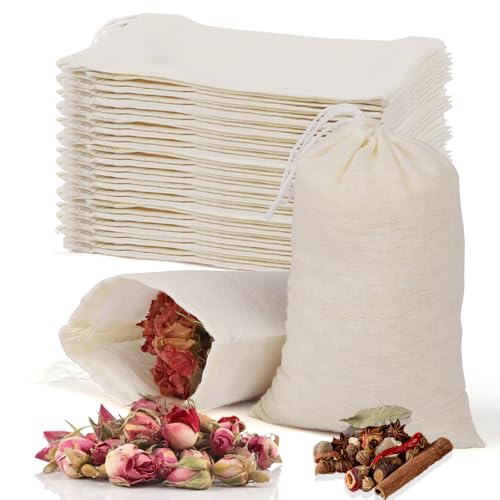
Unbleached Cotton Spice Bags, 3 x 4 Inch stands out for its 60-bag pack, making it a practical match for cooks who want multiple small sachets ready for soup or tea. Each off-white bag measures 3 by 4 inches and has a drawstring closure; the cotton weave is described as fine enough to hold residues during long cooking. The maker says the cotton is food-grade and heat-resistant. Its compact size suits a small bouquet of whole spices, but cooks needing a larger herb bundle should choose a roomier bag. The maker notes that small black cotton-seed flecks may appear.
Bottom line: Choose this for a stock of compact cotton sachets for soup.
Cotton Cooking Spice Bags, 4.25 x 3.15 Inch
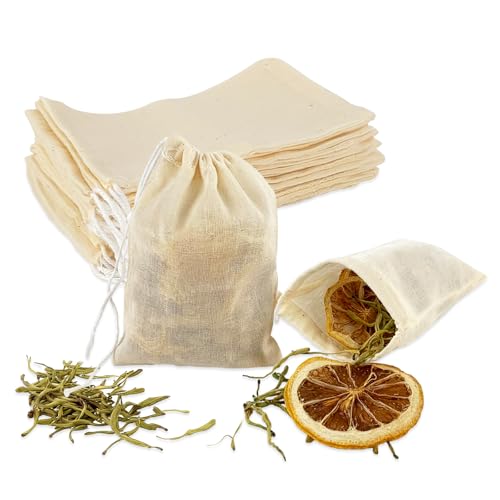
Cotton Cooking Spice Bags, 4.25 x 3.15 Inch is the roomier reusable cotton option, measuring 4.25 by 3.15 inches. Its adjustable drawstring is intended to secure the contents, and the maker says the fine mesh lets liquid flow while trapping small particles. The maker also says the bags tolerate boiling water and recommends rinsing before first use. The 20-piece pack is suited to cooks who want to wash and reuse sachets for broth, tea or cold brew. It contains fewer bags than Unbleached Cotton Spice Bags, 3 x 4 Inch, so it is less suited to anyone who wants a larger ready supply.
Bottom line: Pick this when a slightly larger reusable cotton sachet matters most.
Disposable Cooking Bags, 4 x 5.9 Inch
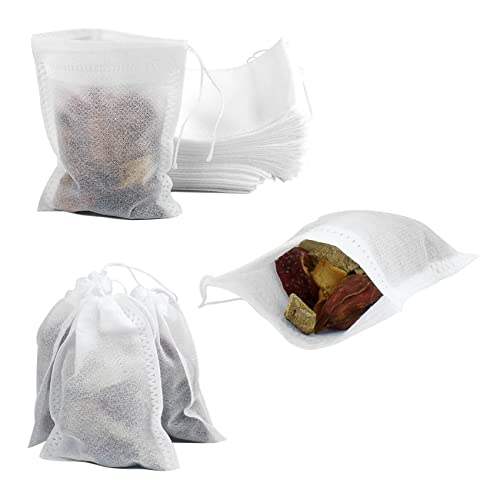
Disposable Cooking Bags, 4 x 5.9 Inch differs by offering 100 larger bags measuring 4 by 5.9 inches, giving more room for a larger seasoning bundle than the compact sachets. The maker describes them as disposable drawstring bags for soup, tea and straining, and says the closure helps keep loose contents from escaping. They may suit cooks preparing a larger pot or using a fresh bag for each batch. The material is not identified clearly enough to treat these as reusable cotton sachets, so choose Unbleached Cotton Spice Bags, 3 x 4 Inch or Cotton Cooking Spice Bags, 4.25 x 3.15 Inch if washable, reusable cotton is a requirement.
Bottom line: Choose this for a larger bag and disposable cleanup.
How to Choose a Cooking Spice Bag
Start with the contents and pot: a sachet should hold the whole spices or herbs without being packed tight. Whole peppercorns, bay leaves and similarly intact seasonings are easier to contain than ground spices, which can pass through a porous weave. Leave room for liquid to circulate around the contents, then pull the drawstring closed securely. For a small bundle, the 3-by-4-inch size is compact; select a larger bag when a recipe calls for a bulky herb bundle. If you want to wash and reuse bags, favor cotton options expressly described as reusable rather than assuming every cooking bag is washable.
Bag Size and Fit for Broth
Match the bag to the seasoning volume rather than the pot’s total capacity. A 3-by-4-inch sachet can hold a modest whole-spice blend, while the 4-by-5.9-inch format allows more room for bulky contents. Overfilling can crowd the seasonings and restrict liquid movement; tying the bag loosely enough to leave expansion space helps avoid that mistake. Keep the closure accessible so you can remove the sachet before serving. For especially large batches or large herb stems, verify the needed lift range before ordering; a bag that cannot be lifted out cleanly can make straining awkward.
| Cooking need | Useful choice | Reason |
|---|---|---|
| Compact spice blend | 3 x 4 in bag | Smaller footprint for a modest bundle |
| Roomier reusable sachet | 4.25 x 3.15 in bag | More space than the compact format |
| Larger disposable bundle | 4 x 5.9 in bag | Longest dimension among these options |
Using Spice Sachets Safely
Use only bags intended for food contact and hot-liquid use, and keep the drawstring and any loose end away from an open flame or heating element. The maker says Unbleached Cotton Spice Bags, 3 x 4 Inch is heat-resistant and the maker says Cotton Cooking Spice Bags, 4.25 x 3.15 Inch tolerates boiling water; Disposable Cooking Bags, 4 x 5.9 Inch is described for cooking soup. Avoid assuming an unrelated craft or storage bag is safe in a pot. Lower the closed sachet into the liquid, keep it submerged without pinning it against a hot surface, and remove it before serving. Follow the bag maker’s use guidance for the specific material, especially when choosing a disposable bag for simmering.
Cleaning Reusable Spice Bags
Rinse reusable cotton sachets promptly after cooking so oil and spice residue do not dry into the weave. Wash with dish soap, rinse thoroughly and air-dry completely before storing; damp fabric can develop musty odors. Strongly aromatic ingredients such as cloves or cinnamon may leave a scent, so dedicate sachets to savory or sweet uses if flavor transfer matters. Do not treat a disposable bag as reusable simply because it survives one cooking session. Replace a reusable sachet if the seam or drawstring is damaged, since an open seam can release spices into the pot.
Frequently Asked Questions
Can ground spices go in a cooking spice bag?
Whole spices are the safer choice for a porous sachet because fine ground particles can escape through the weave. If a recipe requires ground seasoning, stir it directly into the liquid or use a finer filtration method after cooking.
How full should I pack a spice sachet?
Leave empty space so liquid can circulate around the contents and the bag can close without strain. For bulky herbs or a larger spice blend, choose a larger sachet rather than compressing the contents into a small one.
Should I rinse a new cotton spice bag first?
Yes, rinsing a new cotton sachet before its first use is a sensible preparation step, and the maker of Cotton Cooking Spice Bags, 4.25 x 3.15 Inch specifically recommends it. Check that the drawstring and seams remain intact before putting it into a pot.
How do I keep a spice bag from opening in broth?
Pull the drawstring closed firmly and keep the cord ends clear of the burner or heating element. Avoid overfilling, since a crowded bag is harder to secure and more likely to strain its closure.
Can reusable spice bags go in the dishwasher?
Dishwasher compatibility depends on the bag material and construction, so do not assume a cotton sachet is dishwasher-safe. Hand-rinse with dish soap and air-dry fully unless its maker gives different cleaning directions.