
Compression Clothes for Loose Skin: 4 Fits Compared

For broad torso coverage, KOCLES Men’s V-Neck Compression Shirt is the best starting point because it is a men’s compression undershirt made to smooth the chest and stomach under clothes. Choose Stretch Arm Shaper Wraps, 2 Pairs instead for targeted arm coverage; LAFROI Men’s Long-Sleeve UPF Baselayer is a sports baselayer, while GAYHAY Women’s Ribbed Long-Sleeve Top is a fitted ribbed top rather than a dedicated body shaper.
Compression clothing can smooth the outline beneath clothing, but it does not remove or tighten loose skin. If you need medical-grade compression, choose a garment prescribed and fitted for that purpose rather than assuming a fashion shirt or sleeve provides it.
We earn a commission if you buy through links on this page. As an Amazon Associate I earn from qualifying purchases. Products are compared on manufacturer specifications, not hands-on testing.
- Best overall: KOCLES Men’s V-Neck Compression Shirt – V-neck torso coverage targets the chest and stomach beneath clothing.
- Best for arm coverage: Stretch Arm Shaper Wraps, 2 Pairs – Stretch arm wraps are sized for a 7.8–13.7-inch stretch range.
- Best for outdoor sports: LAFROI Men’s Long-Sleeve UPF Baselayer – Long sleeves and UPF 50+ fabric suit active outdoor use.
| Product | Best for | Coverage | Material | Notable feature | Shop |
|---|---|---|---|---|---|
| KOCLES Men’s V-Neck Compression Shirt | Torso shaping | Chest and stomach | — | XX-Large; black | Check Price on Amazon |
| Stretch Arm Shaper Wraps, 2 Pairs | Targeted arm coverage | Arms | Nylon and spandex | 7.8–13.7 in. stretch | Check Price on Amazon |
| LAFROI Men’s Long-Sleeve UPF Baselayer | Outdoor activity | Long sleeves; torso | — | UPF 50+ | Check Price on Amazon |
| GAYHAY Women’s Ribbed Long-Sleeve Top | Casual layering | Long sleeves; torso | Ribbed knit | Large; black | Check Price on Amazon |
Compression Clothes for Loose Skin
Match the garment’s coverage and intended use to the area you want to smooth beneath clothing.
KOCLES Men’s V-Neck Compression Shirt

For chest-and-stomach coverage in one garment, this men’s V-neck undershirt is the most direct match. The maker says the compression is intended to reduce the appearance of chest and belly fullness; it is offered here in XX-Large and black. Its torso coverage suits someone looking for a smoother outline under a shirt or dress clothes. The tradeoff is that it does not target arms separately, and the size alone cannot establish whether the fit will be right. Compare your measurements with the garment’s size chart before choosing a size.
Bottom line: Choose this for one-layer chest and stomach coverage under clothing.
Stretch Arm Shaper Wraps, 2 Pairs

For upper-arm shaping rather than torso coverage, these wraps are the targeted option. Each order includes two pairs in black and nude; the nylon-and-spandex fabric measures 7.8 inches long and stretches to fit widths from 7.8 to 13.7 inches. That range makes the wraps relevant when sleeves or full shirts cover more area than you want. The maker describes them as a way to improve the look of arm looseness, but they are not a treatment for loose skin or a weight-loss aid. Check the arm measurement against the stretch range; do not force a wrap that pinches or restricts movement.
Bottom line: Choose these when your priority is smoothing the arms rather than the torso.
LAFROI Men’s Long-Sleeve UPF Baselayer
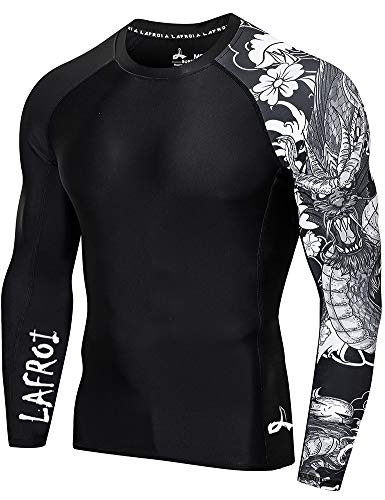
For active outdoor wear, this long-sleeve baselayer adds sun-protective coverage rather than a dedicated loose-skin shaping design. It is an X-Large men’s performance-fit shirt, and the maker says its fabric provides UPF 50+ protection and dries quickly while managing moisture. The long sleeves and athletic use make it distinct from a torso-focused undershirt or separate arm wraps. The limitation is its sports-baselayer purpose: the features do not give a garment measurement or a loose-skin fit range. Check the size chart and intended activity before choosing it for layering.
Bottom line: Choose this for long-sleeve sports coverage with maker-claimed UPF 50+.
GAYHAY Women’s Ribbed Long-Sleeve Top

For a casual fitted top that can be layered, this ribbed long-sleeve shirt is a different choice from the dedicated shapers. It is a women’s black Large, with a stretchy ribbed knit and an opaque finish; the maker says the fabric resists pilling. It can be worn on its own or under jackets, blazers, and cardigans, so it suits everyday outfits where a close fit matters more than targeted compression. The features do not establish a compression level or a loose-skin shaping function, so buyers seeking firm support should choose a garment designed for that purpose.
Bottom line: Choose this for a fitted everyday top, not firm compression.
How to choose compression clothes for loose skin
Choose by coverage first: a shirt covers the torso, while an arm wrap targets the upper arm. Compression garments work by applying pressure to the body; ordinary shapewear can smooth the silhouette under clothes, but it does not remove loose skin or create permanent tightening. A useful decision rule is to pick a torso garment when the area to smooth spans chest or stomach, and separate sleeves when only the arms need coverage. Compression strength matters too: medical compression garments are different from fashion shapewear and should be selected with a clinician when prescribed for a medical reason. Avoid a garment that causes pain, numbness, tingling, skin color changes, or trouble breathing, and remove it if those symptoms occur.
How compression fit should feel
A properly fitting compression garment should feel snug and allow normal breathing and movement; it should not pinch, roll painfully, or leave persistent numbness. Measure the body area the garment covers and use the maker’s size chart, since letter sizes such as Large or X-Large are not standardized across brands. For an arm wrap, compare the measured arm width with its full stretch range rather than relying on a single nominal size. Fabric also changes comfort: nylon and spandex stretch, while a ribbed knit may feel close-fitting without providing firm compression. If you have circulation problems, reduced sensation, or a medical reason to use compression, ask a clinician before wearing a tight garment.
Compression shirts, sleeves and fitted tops compared
Garment type determines both coverage and how much of the body is shaped. A compression shirt is a single torso layer; a sleeve or wrap leaves the rest of the torso uncovered, while a fitted top can give a close silhouette without a compression level. Use this guide to choose by coverage and purpose, not by a claim that clothing will change skin or body fat.
| Type | Coverage | Typical role |
|---|---|---|
| Compression undershirt | Torso | Smooths chest and stomach under clothing |
| Arm wrap or sleeve | Arms | Targets arm coverage |
| Sports baselayer | Torso and sleeves | Layering for activity |
| Fitted knit top | Torso and sleeves | Everyday close-fitting outfit |
Safe use and common fit mistakes
Compression clothing should not make breathing, movement, or circulation feel impaired. Medical compression is often prescribed for specific conditions and pressure levels; a fashion garment should not be substituted for prescribed stockings or other medical compression. A common mistake is sizing down to seek a stronger result, which can cause rolling, pressure points, or restricted movement instead of a smoother fit. Another is expecting a garment to reduce body fat or tighten skin: clothing can change the outline while worn, but not permanently change the skin. Follow care directions for stretch fabrics, since high heat can damage elasticity; inspect seams and fabric for wear before relying on a garment for consistent compression.
Frequently Asked Questions
Can compression clothes tighten loose skin permanently?
No, compression clothes can smooth the outline only while worn; they do not permanently tighten or remove loose skin. Choose them for temporary coverage under clothing, not as a skin treatment.
How tight should a compression shirt feel?
A compression shirt should feel snug while allowing a full breath and normal movement. Remove it if it causes pain, tingling, numbness, or skin color changes.
How do I measure for arm compression sleeves?
Measure the arm at the location the sleeve is meant to cover, then compare that measurement with the garment’s size chart or stretch range. A wrap intended for 7.8–13.7 inches should not be forced onto an arm outside that range.
Can I wear compression clothing while exercising?
Sports baselayers are made for active use, but a garment should not restrict breathing or movement during exercise. Stop wearing it if numbness, tingling, pain, or unusual skin color appears.
Are compression shirts the same as medical compression garments?
No, fashion compression shirts and medical compression garments are not interchangeable. Medical compression may require a specific pressure and fit, so use clinical guidance when it is prescribed.