
Best Socks for Calluses: 4 Comfort Options Compared

Aloe Gel Heel Socks, XL, 3 Pairs is the best fit for calluses because it specifically combines aloe-infused gel heel coverage with an open-toe design; calluses often build where repeated pressure or friction falls. Choose CWVLC Cushioned Ankle Compression Socks, M instead for cushioned athletic wear, or TEAWOO Toeless Gel Heel Socks, 6 Pairs and Love Lori Silicone Gel Socks, L if your main concern is moisturizing dry heels rather than callus-focused coverage.
We earn a commission if you buy through links on this page. As an Amazon Associate I earn from qualifying purchases. Products are compared on manufacturer specifications, not hands-on testing.
- Best overall: Aloe Gel Heel Socks, XL, 3 Pairs – Its aloe lotion gel heel socks are explicitly positioned for calluses and cracked heels.
- Best for active wear: CWVLC Cushioned Ankle Compression Socks, M – Cushioning, moisture-wicking fabric and 16–19 mmHg compression target athletic use.
- Best for heel coverage: TEAWOO Toeless Gel Heel Socks, 6 Pairs – Six pairs of toeless gel socks are designed to moisturize dry, cracked heels.
| Product | Best for | Style | Key feature | Pack | Shop |
|---|---|---|---|---|---|
| Aloe Gel Heel Socks, XL, 3 Pairs | Callus-prone heels | Open-toe gel heel | Aloe lotion | 3 pairs | Check Price on Amazon |
| CWVLC Cushioned Ankle Compression Socks, M | Active cushioning | Cushioned ankle | 16–19 mmHg compression | 6 pairs | Check Price on Amazon |
| TEAWOO Toeless Gel Heel Socks, 6 Pairs | Dry heel care | Toeless gel heel | Jojoba, vitamin E, olive, lavender oils | 6 pairs | Check Price on Amazon |
| Love Lori Silicone Gel Socks, L | Short moisturizing wear | Silicone gel sock | Vitamin E, jojoba, olive, rose oils | Women’s US 9–11 | Check Price on Amazon |
Socks for Calluses
Match the sock’s purpose to the area you want to care for and how you plan to wear it.
Aloe Gel Heel Socks, XL, 3 Pairs
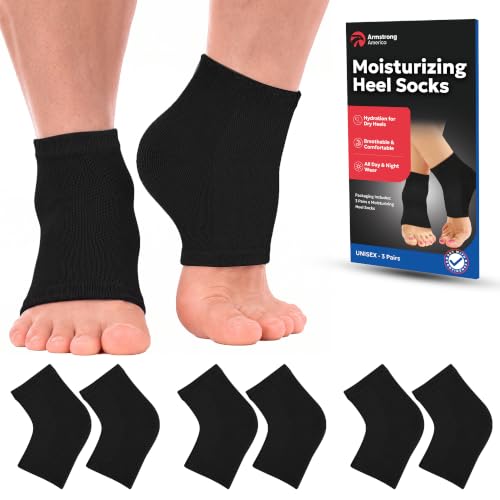
For callus-prone heels, these aloe lotion socks are the only option here explicitly marketed for callus removal. The open-toe cut and ventilation mesh leave the toes uncovered, while the padded gel covers the heels; the maker says they can be worn overnight. The XL set includes three pairs. This is a heel-focused choice, not a full-foot sock, so it may not suit calluses under the ball of the foot or on the toes. Measure your foot before choosing a size, as the product name cautions against guessing.
Bottom line: Choose these if your callus concern is centered on the heel and you want gel coverage.
CWVLC Cushioned Ankle Compression Socks, M

For active wear rather than moisturizing, these ankle socks add cushioning and targeted compression. The maker specifies 16–19 mmHg compression, arch support, moisture-wicking fibers and a quick-drying sole for activities such as walking, running and hiking. The medium six-pair set is a sports-sock option, not a gel treatment for thickened skin. Its cushioning may be relevant when friction or pressure during activity is part of the concern, but it does not replace reducing the source of repeated rubbing.
Bottom line: Pick these for cushioned athletic wear when friction during activity is your main concern.
TEAWOO Toeless Gel Heel Socks, 6 Pairs

For a multi-pair heel-care set, TEAWOO includes six pairs of flexible cotton-blend, toeless socks with built-in gel. The maker says the gel contains jojoba oil, vitamin E, olive oil and lavender essential oil to moisturize dry, cracked heels. The breathable, open-toe design leaves the forefoot uncovered, and the socks are also intended to reduce heel friction against shoes. They are aimed at dry or cracked heels rather than calluses elsewhere, so they are a less direct match for pressure spots on the toes or ball of the foot.
Bottom line: Choose these if dry, rough heel skin is your main concern and you want multiple pairs.
Love Lori Silicone Gel Socks, L
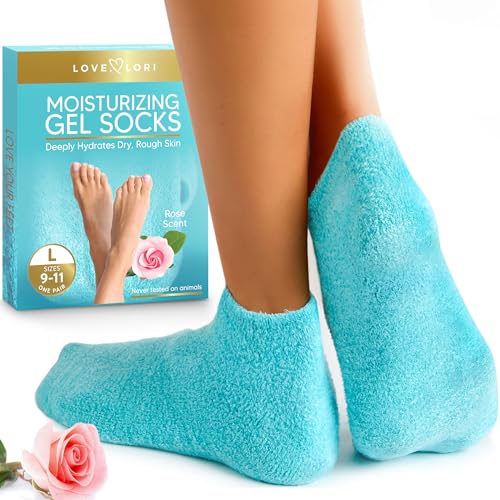
For a short moisturizing session, Love Lori says its silicone gel socks soften feet in 20 minutes and contain vitamin E, jojoba oil, olive oil and rose oil. The fit is women’s US sizes 9–11, making sizing a key distinction from the other options. The product name describes them as stocking-stuffer style, but their relevant use here is foot moisturizing rather than athletic friction control. They are not described as callus-specific, so consider them for general dry-foot care rather than targeted coverage of a pressure spot.
Bottom line: Pick these for a brief moisturizing session if the women’s size range fits.
How to choose socks for calluses
Choose by where the thickened skin forms and what the sock actually covers. Calluses are areas of thickened skin that commonly develop from repeated pressure or friction; gel heel socks address the heel, while an ankle athletic sock cushions more of the foot during movement. A moisturizing sock can soften dry skin, but it cannot correct a shoe that keeps rubbing the same spot. If the callus is under the ball of the foot or on a toe, do not assume a heel-only design will cover it. For exercise, prioritize a sock that fits without slipping or bunching, since movement can create more rubbing.
For occasional dry heel care, choose a gel design that covers the heel and leaves enough room to avoid tightness. If the skin thickens in a particular shoe, compare the shoe’s fit and pressure point before relying on a sock change alone.
Callus care beyond moisturizing socks
Moisturizing socks are one part of routine care, not a way to remove a callus instantly. Many foot-care routines soften thick skin with a brief 5–10 minute warm-water soak, then gently smooth it with a pumice stone or foot file; stop if the skin hurts or becomes irritated. Avoid cutting or shaving calluses at home, because a cut can become an injury or infection. Urea creams are commonly sold in strengths around 10% to 20% for dry, rough skin; stronger formulations may be intended for other uses, so check the product label. A sock can help keep moisturizer against the heel, but it does not replace easing the pressure that caused the thickening.
People with diabetes, reduced foot sensation, or poor circulation should ask a clinician before filing or treating foot calluses at home. Those conditions can make an unnoticed injury more serious.
Match sock type to the pressure spot
Pick the sock by the contact area: a heel gel sock covers the back or underside of the heel, while a cushioned athletic sock is meant for movement and broader sole coverage. Neither style should bunch inside a shoe, because folds can become new pressure points. A practical rule is to favor a heel-only design when the problem is at the heel; choose a well-fitting cushioned sports sock for activity-related rubbing elsewhere, while recognizing that shoe fit matters more than sock material when pressure persists.
| Need | Type to consider | Key check |
|---|---|---|
| Dry, rough heel skin | Moisturizing gel heel sock | Gel covers the heel |
| Friction during sports or walking | Cushioned athletic sock | Fit stays smooth in the shoe |
| Callus at toes or ball of foot | Coverage beyond the heel | Confirm the sock covers the spot |
Frequently Asked Questions
Can moisturizing socks remove a foot callus?
Moisturizing socks can soften dry skin, but they do not remove the repeated pressure or friction that forms a callus. Gentle filing after a brief soak is a common approach for some people, but avoid cutting calluses.
How often should I wear gel heel socks?
Use the wear time stated for the specific sock; one option here says 20 minutes, while another says it can be worn overnight. Stop if the sock causes irritation, discomfort or excessive tightness.
Are calluses caused by socks or shoes?
Repeated pressure or friction is a common cause, and poorly fitting shoes can concentrate that pressure. A sock that slips or bunches can add rubbing, so check both shoe fit and sock fit if the same spot keeps thickening.
Should I file a callus when my feet are wet?
A brief 5–10 minute warm-water soak can soften thick skin before gentle smoothing with a pumice stone or foot file. Do not use a blade, and stop if filing causes pain or irritation.
When should I get a foot callus checked?
People with diabetes, reduced sensation or poor circulation should ask a clinician before treating a foot callus themselves. Seek medical advice for a painful, bleeding or inflamed spot, or when the thickening keeps returning despite reducing pressure.