
Garage Door Trim Molding: 4 Seal Kits Compared

DuraSeal PVC Stop Molding, 34 ft suits many garage door trim molding projects because its foamed PVC base and flexible fin form a stop seal, and the kit includes 34 feet of material and 60 nails. Choose a 40-foot kit if your measured top-and-side perimeter needs more length, or prefer adhesive mounting.
Garage door trim molding, also called stop molding or weatherstripping, attaches around the opening and seals against the closed door.
We earn a commission if you buy through links on this page. As an Amazon Associate I earn from qualifying purchases. Products are compared on manufacturer specifications, not hands-on testing.
- Best overall: DuraSeal PVC Stop Molding, 34 ft – Its foamed PVC base and flexible fin provide a defined stop molding profile, with 34 feet and 60 nails included.
- Best for 7-foot sections: Randall V-37 Dual Vinyl Seal, 7 ft – The 7-foot vinyl seal has a 2-inch simulated-wood base and is intended for the top or sides.
- Best for longer runs: Elvone TPE Seal with Nails, 40 ft – The 40-foot TPE strip comes with nails and is sold for top-and-side sealing.
- Best for adhesive mounting: 40-Foot TPE Seal, Adhesive and Nails – The 40-foot TPE option combines peel-and-stick adhesive with nails for reinforcement.
| Product | Best for | Length | Material | Mounting | Shop |
|---|---|---|---|---|---|
| DuraSeal PVC Stop Molding, 34 ft | PVC stop molding | 34 ft | Foamed PVC base, PVC fin | Nails | Check Price on Amazon |
| Randall V-37 Dual Vinyl Seal, 7 ft | Short vinyl sections | 7 ft | Dual vinyl | — | Check Price on Amazon |
| Elvone TPE Seal with Nails, 40 ft | Long TPE runs | 40 ft | TPE | Nails | Check Price on Amazon |
| 40-Foot TPE Seal, Adhesive and Nails | Adhesive installation | 40 ft | TPE | Peel-and-stick adhesive and nails | Check Price on Amazon |
Garage Door Trim Molding Options
Compare each seal’s length, material and mounting approach against the measured perimeter of your door opening.
DuraSeal PVC Stop Molding, 34 ft
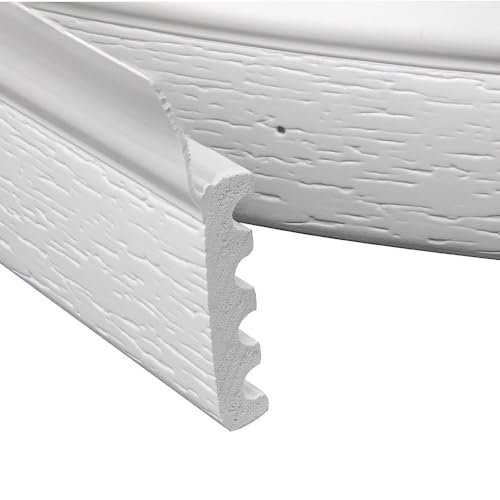
DuraSeal PVC Stop Molding, 34 ft is the only option here explicitly described as PVC stop molding, with a foamed PVC base and flexible PVC fin. The 34-foot coiled strip is uncut, so measure the top and both sides, then trim it to fit; 60 color-matched nails are included. Cold material needs to warm to room temperature, then lie flat under weights for about 24 hours before installation. This preparation and the 34-foot limit matter if you need a quick install or have a wide opening: measure first, and choose a longer kit if the perimeter exceeds the available length.
Bottom line: Choose this if you want PVC stop molding and can allow the coiled strip time to flatten.
Randall V-37 Dual Vinyl Seal, 7 ft

Randall V-37 Dual Vinyl Seal, 7 ft stands apart as a 7-foot dual vinyl seal with a simulated-wood base, rather than a long, uncut coil. Its base is 2 inches wide and 7/16 inch thick, and the vinyl seal is 1 7/32 inches wide. The short section may fit a repair or a single span when the measured run is no more than 7 feet; it is also intended for the top or sides of garage doors. Unlike the other kits, nails or adhesive are not identified in the specifications, so confirm the attachment method before ordering if you need a complete mounting kit.
Bottom line: Choose this for a short top or side run that matches its 7-foot length.
Elvone TPE Seal with Nails, 40 ft

Elvone TPE Seal with Nails, 40 ft offers 40 feet of TPE trim for top-and-side coverage, making length its key distinction from the shorter kits. The specifications say it includes reinforcement nails and lids, and describe a universal fit; measure the opening anyway, because the actual amount needed depends on door width and height. The maker claims the material remains elastic across a temperature range of -58°F to 275°F. That claim does not establish that every garage door opening or mounting surface is compatible, so this option is best for buyers who want a long TPE run and have verified the attachment surface.
Bottom line: Choose this if your measured perimeter calls for a longer TPE strip with nails.
40-Foot TPE Seal, Adhesive and Nails
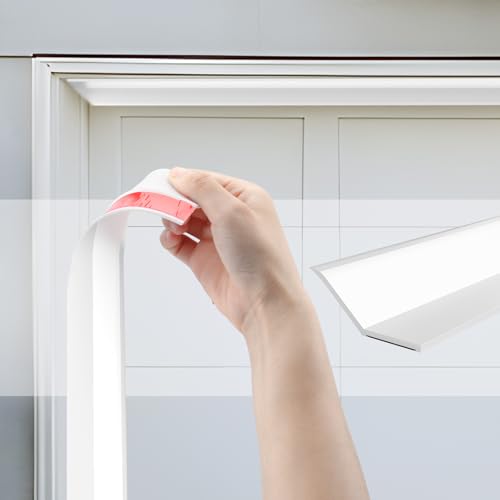
40-Foot TPE Seal, Adhesive and Nails differs from the other long kit by specifying peel-and-stick adhesive as well as nails for secondary reinforcement. Its 40-foot length and 2.2-inch width suit buyers who want an adhesive-mounted TPE strip for the top and sides. The product claims weather resistance and draft reduction, but those claims do not tell you whether the adhesive will bond to your particular jamb finish. Surface condition and compatibility are therefore important: confirm the mounting surface is suitable before relying on the adhesive. Choose this option when that mounting approach is a priority and its length covers your measured opening.
Bottom line: Choose this if you want a 40-foot TPE strip with adhesive and nail reinforcement.
How to Choose Garage Door Trim Molding
Start with the opening perimeter: add the door width to twice its height to estimate the top-and-side run. For example, a 16-foot-wide door that is 7 feet high needs about 30 feet before cuts or overlap, so a 34-foot kit leaves less allowance than a 40-foot kit. Measure the actual jambs rather than relying on a nominal door size. Then match mounting style to the jamb: nail-on molding requires a surface that accepts fasteners, while peel-and-stick options depend on a compatible, clean surface. The seal should touch the closed door without being crushed flat; excessive pressure can interfere with smooth movement. Confirm the mounting approach and required length before choosing a kit.
| Need | What to compare |
|---|---|
| Defined stop profile | Foamed PVC base with flexible fin |
| Short replacement section | 7-foot dual vinyl section |
| Long continuous run | 40-foot TPE trim |
| Adhesive mounting | Peel-and-stick TPE with nail reinforcement |
Where Top-and-Side Seals Fit
Top-and-side molding seals the gap between the closed door and the surrounding jamb; it is not the same part as the bottom seal attached along the door’s lower edge. A door’s top and side gaps can differ, so check contact along the full perimeter with the door closed. Position the flexible fin to meet the door face lightly, not to obstruct travel. Avoid placing molding where it rubs a roller, track or hinge. Garage doors use heavy moving panels and spring systems under tension, so keep hands and tools clear of the hardware and do not adjust springs or cables to make trim fit. If the door binds or will not close normally, stop and address the door operation before adding pressure with molding.
Measuring and Installing the Seal
Measure the top width and both jamb heights, then add the three measurements; leave enough material for clean end cuts and any fitting adjustments. A 40-foot kit gives more length than a 34-foot kit, while a 7-foot section only covers a short run. Before fastening, close the door and hold the molding in position to check continuous, light contact. Nail-on kits should be aligned consistently along a sound jamb; adhesive-backed strips need a clean, dry and compatible surface for bonding. Coiled material may need time to relax before installation, as with the strip that calls for room-temperature conditioning and roughly 24 hours flat under weights. Do not stretch the seal while attaching it, since tension can pull ends out of position.
When to Replace Garage Door Trim
Replace trim when it is split, missing sections, loose from the jamb or no longer making contact with the closed door. A daylight gap around the top or sides is a practical sign to inspect alignment, but first check that the door itself closes squarely; molding cannot correct a misaligned door. Dirt and debris between the fin and door can also interrupt contact, so wipe the sealing area during routine garage cleaning. In cold weather, flexible materials can stiffen, and some coiled PVC should be warmed and flattened before fitting. Keep replacement trim separate from the bottom seal when measuring: the bottom edge requires a different seal profile, so adding it to the top-and-side measurement can lead to choosing the wrong kit length.
Frequently Asked Questions
How do I calculate garage door trim length?
Add the top width to the heights of both sides to get the basic run. A 16-foot-wide, 7-foot-tall opening needs about 30 feet before trimming allowance, so compare that total with the kit length.
Should garage door trim touch the door?
Yes, the flexible seal should make light, continuous contact with the closed door. If the molding is crushed or the door binds, adjust the fit rather than forcing the door through excess pressure.
Can I use top trim as a bottom seal?
No, top-and-side molding and bottom seals are different components with different profiles and mounting positions. Measure the bottom edge separately and use a seal made for that location.
How long should coiled PVC molding flatten?
The DuraSeal strip calls for warming cold material to room temperature, laying it flat with weights, and allowing about 24 hours to relax. Plan for that conditioning before the installation session.
Can garage door molding fix a crooked door?
No, trim seals the gap around a properly closing door; it does not correct a door that is out of alignment. If the door binds or closes unevenly, resolve the operating issue before fitting molding.