
Wheat Bran for Mealworms: 3 Options Compared

For wheat bran for mealworms, Nutriworms Premium Wheat Bran, 5 lb is the clearest fit for most keepers because it is specifically described as bedding and food for mealworms and comes in a 5-pound bag. Choose Wheat Bran Mealworm Bedding, 10 lb if you need a 10-pound bag, or CountryMax Soft Wheat Bran, 50 lb for a 50-pound supply; baker’s bran is a food ingredient rather than an insect substrate.
We earn a commission if you buy through links on this page. As an Amazon Associate I earn from qualifying purchases. Products are compared on manufacturer specifications, not hands-on testing.
- Best overall: Nutriworms Premium Wheat Bran, 5 lb – It is explicitly made as mealworm bedding and food in a 5-pound bag.
- Best for a 10-pound supply: Wheat Bran Mealworm Bedding, 10 lb – The product name identifies wheat bran as mealworm and superworm bedding.
- Best for large colonies: CountryMax Soft Wheat Bran, 50 lb – The 50-pound bag is identified for mealworm food and bedding.
| Product | Best for | Bag size | Mealworm use | Shop |
|---|---|---|---|---|
| Nutriworms Premium Wheat Bran, 5 lb | General mealworm bedding | 5 lb | Food and bedding | Check Price on Amazon |
| Wheat Bran Mealworm Bedding, 10 lb | Mid-size colonies | 10 lb | Mealworm and superworm bedding | Check Price on Amazon |
| CountryMax Soft Wheat Bran, 50 lb | Bulk substrate supply | 50 lb | Food and bedding | Check Price on Amazon |
Wheat Bran for Mealworms
Compare the intended use and bag size to choose a substrate supply that suits your colony.
Nutriworms Premium Wheat Bran, 5 lb

Nutriworms Premium Wheat Bran, 5 lb is the most directly targeted choice here: its coarse-milled wheat bran is ready to use as bedding and is intended for mealworms, superworms, giant mealworms, and miniworms. The 5-pound bag is a practical starting size for a small or growing colony. The maker says it is 100% natural wheat bran with no added chemicals or preservatives. Its use centers on insect bedding and feed, so keepers looking for a bulk bag should compare it with the larger options instead.
Bottom line: Choose this if you want wheat bran explicitly intended for mealworm bedding and food.
Wheat Bran Mealworm Bedding, 10 lb
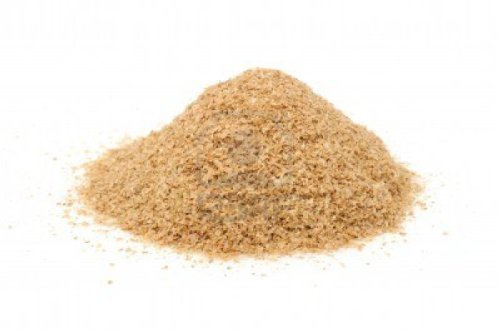
Wheat Bran Mealworm Bedding, 10 lb stands out for a 10-pound bag size and a name that specifically identifies it as wheat bran bedding for mealworms and superworms. That makes it a straightforward option when a 5-pound supply is too small but a 50-pound sack would be excessive.
Bottom line: Pick this for a 10-pound quantity of wheat bran labeled for mealworm and superworm bedding.
CountryMax Soft Wheat Bran, 50 lb

CountryMax Soft Wheat Bran, 50 lb is the bulk option, with a 50-pound bag and a 12.5% protein, 12% fiber, and 3% fat. The maker identifies it for mealworm food and bedding as well as livestock, poultry, composting, and garden use. This size suits keepers who can store a large quantity dry and use it across more than one purpose. The main tradeoff is scale: a 50-pound sack may be unwieldy for a small colony, and its broader uses make it less narrowly insect-focused than a dedicated bedding product.
Bottom line: Choose this for a large colony or multi-purpose use that can justify a 50-pound bag.
How wheat bran works as mealworm bedding
Wheat bran can serve as both the dry substrate and a food source for mealworms, so keepers do not need a separate grain bedding layer. A 1- to 2-inch bed is a useful starting depth for a home colony: it gives larvae material to move through while remaining easy to sift. Keep the bran dry; damp substrate clumps and encourages mold, which can spoil the colony’s food. Mealworms also need moisture, but provide it separately with a small piece of fresh produce rather than wetting the bran. Remove the produce before it softens or develops mold, and replace it with a fresh piece as needed.
Choosing the right bag size for your colony
Choose a bag by matching the supply to your storage space and colony scale: 5 pounds is a manageable starting amount, 10 pounds offers a middle size, and 50 pounds is bulk stock. Dry bran stores more reliably than damp bran, so use a sealed, dry container and keep it off floors or other areas where moisture can collect. For a small colony, avoid buying more substrate than you can keep dry and use. A larger bag makes sense when you maintain multiple trays or have another stated use for the bran. Do not confuse a bag’s weight with a recommended feeding quantity; the appropriate refresh rate depends on colony size and how quickly larvae consume or soil the substrate.
Keeping mealworm substrate clean and usable
Sift the substrate when frass and shed skins make it hard to separate larvae from the bran; a fine kitchen sieve can help separate the small particles from larger larvae. A practical trigger is visible buildup or difficulty sorting, rather than a fixed calendar interval, since colony size changes how quickly debris accumulates. Keep food and moisture sources separate from the dry bedding, and remove uneaten produce promptly to limit mold. Store unused bran in a clean, dry, sealed container. If the substrate becomes damp, musty, or visibly moldy, replace it rather than mixing it into fresh bran; do not feed visibly spoiled substrate to a colony.
Wheat bran versus baker’s bran
Mealworm-focused bran and baker’s bran differ chiefly in stated purpose: an insect bedding product is identified for mealworms, while a baking bran is described for cereals and baked goods. That distinction matters because a food ingredient is not automatically prepared, milled, or packaged for keeping insects. For mealworm bedding, select a product that explicitly identifies insect use. A typical dry substrate setup uses roughly 1 to 2 inches of bran, with separate fresh produce as a moisture source. Keepers should also consider bag size: small quantities are simpler for one modest tray, while bulk bags need dry storage and enough colony use to avoid long storage.
Frequently Asked Questions
Can mealworms live in wheat bran alone?
Wheat bran can provide both bedding and a dry food substrate, but larvae also need a separate moisture source. Offer a small amount of fresh produce and remove it before it spoils.
How deep should mealworm wheat bran be?
About 1 to 2 inches is a useful starting depth for a home colony. A deeper layer can make larvae and debris harder to sift out.
How do I keep wheat bran from molding?
Keep the bran dry and provide moisture through a separate piece of fresh produce. Remove produce before it softens or develops mold, and replace any visibly moldy substrate.
When should I sift mealworm bedding?
Sift when frass and shed skins build up enough to make larvae difficult to separate. Larger colonies generally soil bedding sooner, so watch the substrate rather than following a fixed interval.
Can I use baking bran for mealworms?
A baking bran is intended as a food ingredient, while mealworm bedding products are identified for insect use. Choose bran explicitly designated for mealworms when you want a substrate.