
Mold Bomb Fogger: 3 Mold Foggers Compared by Use

Mold Bomb Fogger, 6 oz is the closest match for a mold bomb fogger because its maker describes a 6-fluid-ounce treatment designed to disperse mist through affected areas. Choose Concrobium Mold Control Fogger if you want a reusable-style application device for Concrobium solution, or DWD2 Clean Air Protect, 8 oz if odor control is your main goal.
A fogger distributes liquid as a mist; it does not fix the moisture source or remove mold-damaged material.
We earn a commission if you buy through links on this page. As an Amazon Associate I earn from qualifying purchases. Products are compared on manufacturer specifications, not hands-on testing.
- Best overall: Mold Bomb Fogger, 6 oz – A 6-fluid-ounce room treatment marketed for reaching cracks and hard-to-access areas.
- Best for solution application: Concrobium Mold Control Fogger – Its adjustable flow is designed to apply Concrobium Mold Control solution across enclosed spaces.
- Best for odor control: DWD2 Clean Air Protect, 8 oz – An 8-ounce fogger treatment marketed for musty odors in home and work spaces.
| Product | Best for | Size | Format | Main purpose | Shop |
|---|---|---|---|---|---|
| Mold Bomb Fogger, 6 oz | Room treatment | 6 fl oz | Treatment fogger | Mold stains and odors | Check Price on Amazon |
| Concrobium Mold Control Fogger | Applying solution | 16 in tall | Adjustable-flow device | Surface coverage | Check Price on Amazon |
| DWD2 Clean Air Protect, 8 oz | Odor treatment | 8 oz | Odor-treatment fogger | Mold and mildew odors | Check Price on Amazon |
Mold Bomb Foggers Compared
The key difference is whether you want a room treatment, a solution-application device or a fogger aimed at odors.
Mold Bomb Fogger, 6 oz

Mold Bomb Fogger, 6 oz is a packaged room treatment rather than a separate application device. The maker says its fine mist is intended to reach cracks, crevices and other hard-to-access areas in enclosed spaces, including basements, attics, crawl spaces and bathrooms. The package is 6 fluid ounces, and the maker describes application as requiring no wiping. It may suit someone seeking a single fogging format for an affected area. A fogger does not correct leaks or condensation, and the product’s mist cannot substitute for removing mold-damaged materials or cleaning accessible surfaces.
Bottom line: Choose this for a packaged mold-area fogging treatment, while planning to address the moisture source separately.
Concrobium Mold Control Fogger
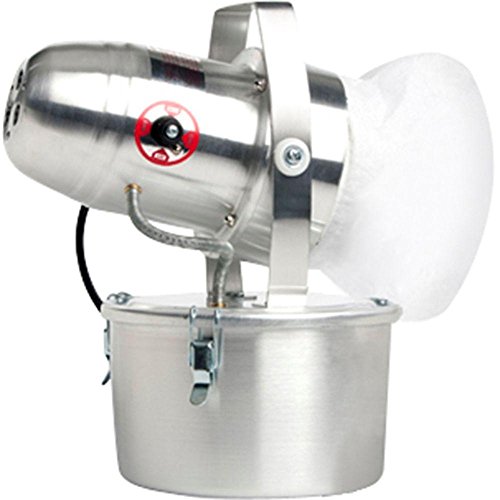
Concrobium Mold Control Fogger stands apart as a fogging device for applying Concrobium Mold Control solution, not a prefilled treatment. Its adjustable-flow head lets the operator vary liquid flow for room size and application needs, and the maker describes fine-mist distribution across exposed surfaces. The device is positioned for enclosed spaces such as garages, attics and crawl spaces, as well as unfinished project areas. Its 16-inch height gives a sense of its physical scale. Buyers should account for the need to use the intended solution; the device itself is not a mold-removal method or a moisture repair.
Bottom line: Pick this when you need an adjustable device to apply Concrobium solution in enclosed spaces.
DWD2 Clean Air Protect, 8 oz

DWD2 Clean Air Protect, 8 oz differs from the other options by centering on mold- and mildew-related odor treatment. The maker says its formula uses plant extracts and enzymes, and is intended to neutralize musty odors in spaces including homes, garages, offices and RVs. The container is 8 ounces. This is the more relevant choice when odor is the specific concern, rather than a device for applying another solution. Odor treatment alone does not establish that mold has been removed: find and correct dampness, then assess any affected materials and clean or remove them as appropriate.
Bottom line: Choose this when the priority is treating musty odors, not repairing dampness or removing damaged materials.
How to Choose a Mold Fogger
Choose by the job: a packaged treatment, an application device for a separate solution, or an odor-focused treatment are different formats. A fogger disperses liquid as droplets; it does not make a hidden leak, wet building material or contaminated surface disappear. Before selecting one, identify the damp area and whether the target is a surface, an enclosed room or an odor. Indoor relative humidity is best kept below 60%, ideally between 30% and 50%, to discourage moisture problems. A practical rule is to prioritize leak repair and drying before fogging whenever a surface remains wet or humidity stays above 60%. Do not treat the word “fogger” as proof that the product removes mold from materials or reaches every concealed cavity.
What Foggers Can and Cannot Do for Mold
A fogger can distribute a liquid mist, but mold cleanup still depends on removing growth and fixing moisture. EPA guidance does not recommend routine use of biocides during mold cleanup; dead mold can still trigger reactions, so killing it is not the same as removal. On hard surfaces, scrub with detergent and water, then dry completely. Porous materials that are moldy, such as ceiling tiles or carpet, may need to be discarded because mold can penetrate them. For a decision point, an affected area under about 10 square feet is often manageable by a homeowner, while larger areas or extensive water damage warrant professional assessment. Hidden growth, sewage contamination and HVAC contamination also call for more caution than a small surface patch.
Humidity and Moisture Checks Before Treatment
Keep indoor relative humidity under 60%, with 30% to 50% the preferred range, and use a hygrometer to track it. That range helps reduce conditions that support mold, but a reading alone cannot confirm that a wall cavity or floor is dry. Find the source of moisture—such as a plumbing leak, roof leak or condensation—and repair it before relying on a fogger. Dry wet materials promptly, ideally within 24 to 48 hours, to reduce the chance of mold growth. If dampness returns after treatment, the underlying moisture problem remains. Do not mix cleaning chemicals or combine fogging products; use one product only as its label permits, and keep people and pets out of treatment areas until the label’s reentry and ventilation directions are met.
Safe Fogger Use and Common Mistakes
Read the product label before operating any fogger, because formulations and reentry directions differ. Aerosol foggers can expose people and pets to airborne chemicals, so clear the treatment area and follow the label’s ventilation instructions before returning. Never fog near flames or pilot lights unless the label expressly allows it; some aerosol products are flammable. A common mistake is treating odor as the whole problem: mustiness can return if wet materials or a leak remain. Another is expecting mist to clean visible mold from a surface; accessible growth still requires physical cleaning or material removal. For extensive growth, recurring water damage or suspected contaminated ductwork, get a qualified remediation assessment instead of escalating fogging on your own.
Frequently Asked Questions
Does a mold fogger remove mold from surfaces?
A fogger disperses liquid, but it does not replace physical removal of mold from accessible surfaces. Scrub hard surfaces with detergent and water and dry them completely; porous moldy materials may need removal.
What indoor humidity level helps prevent mold?
Keep indoor relative humidity below 60%, ideally between 30% and 50%. Use a hygrometer, and address leaks or condensation even when the room reading falls in that range.
When should I call a mold remediation professional?
Consider professional assessment when mold covers more than about 10 square feet, water damage is extensive, growth is hidden, or HVAC systems may be contaminated. Sewage-related contamination also needs extra caution.
How soon should wet building materials dry?
Dry wet materials within 24 to 48 hours when possible to reduce the chance of mold growth. If materials remain damp or become wet again, identify and fix the moisture source rather than relying on fogging.
Can people or pets stay in a room while fogging?
Keep people and pets out during treatment unless the product label explicitly directs otherwise. Follow the label’s ventilation and reentry instructions before anyone returns, since formulations differ.