
Medicube AGE-R Glutathione Glow Serum: 5 Options Compared

Medicube AGE-R Glutathione Glow Serum suits shoppers seeking a glutathione and niacinamide serum, with 50,000 ppm glutathione as its key differentiator. Choose a toner or cream instead if you prefer those formats, or a different serum formula if you want ingredients such as tranexamic acid.
Glutathione glow products are topical skincare formulas marketed for radiance; they are not interchangeable with one another, so compare format and listed ingredients before choosing.
We earn a commission if you buy through links on this page. As an Amazon Associate I earn from qualifying purchases. Products are compared on manufacturer specifications, not hands-on testing.
- Best overall: Medicube AGE-R Glutathione Glow Serum – Its formula combines 50,000 ppm glutathione with niacinamide and is tailored to the Booster-H.
- Best for simple serum format: Medicube Glutathione Glow Serum 1.05 oz – A 1.05-fl-oz Medicube glutathione glow serum, though its feature set is described only as glow serum.
- Best for toner format: Medicube Age-R Glutathione Glow Milky Toner – A 4.73-fl-oz milky toner with glutathione and peptide in separate layers.
- Best for tranexamic acid: Glutanex Glow Therapy Milky Serum – This milky serum pairs glutathione with tranexamic acid, niacinamide, NAD, and NMN.
| Product | Best for | Format | Size | Highlighted ingredients | Shop |
|---|---|---|---|---|---|
| Medicube AGE-R Glutathione Glow Serum | Booster-H pairing | Serum | — | Glutathione 50,000 ppm; niacinamide | Check Price on Amazon |
| Medicube Glutathione Glow Serum 1.05 oz | Basic serum option | Serum | 1.05 fl oz | Glutathione | Check Price on Amazon |
| Medicube Age-R Glutathione Glow Milky Toner | Milky toner format | Milky toner | 4.73 fl oz | Glutathione; peptide | Check Price on Amazon |
| Glutanex Glow Therapy Milky Serum | Multi-ingredient serum | Milky serum | 1.01 fl oz | Glutathione; tranexamic acid; niacinamide | Check Price on Amazon |
| Medicube AGE-R Glutathione Glow Capsule Cream | Capsule cream format | Facial cream | 1.69 fl oz | Glutathione; collagen peptide | Check Price on Amazon |
Medicube AGE-R Glutathione Glow Serum and Related Products
Compare the serum with related glow products by format, size, and the ingredients each formula highlights.
Medicube AGE-R Glutathione Glow Serum

The Booster-H pairing and 50,000 ppm glutathione distinguish this serum from the other options. Medicube says its exclusive formula has viscosity tailored to the Booster-H and combines glutathione, niacinamide, adenosine, patented skin-like collagen, and bifida fermentation lysate. The brand also claims radiance and care for the appearance of blemishes and wrinkles. This is the most targeted fit for someone seeking the named AGE-R serum and its ingredients. Its use is closely tied to the Booster-H, so buyers seeking a standalone toner or moisturizer should choose a different format.
Bottom line: Choose this if you want the AGE-R serum formula tailored to the Booster-H.
Medicube Glutathione Glow Serum 1.05 oz
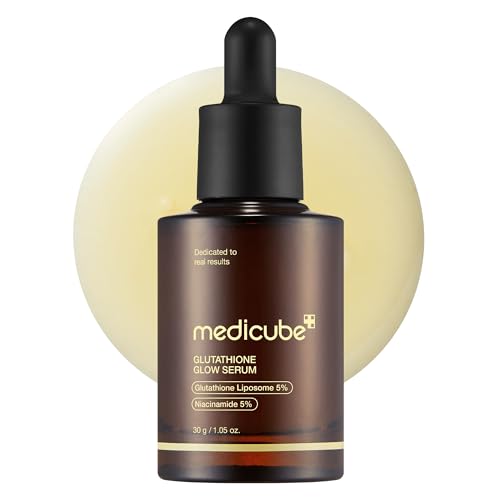
A 1.05-fl-oz size separates this Medicube serum from the AGE-R formula and the larger toner. That makes it a straightforward fit for shoppers who want a Medicube glutathione serum without selecting specifically for the AGE-R/Booster-H pairing. The tradeoff is that buyers comparing formulas by concentration or supporting ingredients have fewer points to compare here.
Bottom line: Pick this when the Medicube glutathione serum format matters more than a detailed ingredient profile.
Medicube Age-R Glutathione Glow Milky Toner

The toner format and 4.73-fl-oz size make this a different choice from the AGE-R serum. Medicube describes an essence layer with glutathione and a cream layer with peptide, and says the formula is intended for hydration and radiance. The brand reports a 16.7% skin-radiance improvement after one use; that is a maker-reported test result, not a guarantee for an individual. Choose this if you prefer a milky toner and a double-layer texture. It is not a serum, so it does not match shoppers who specifically want the named AGE-R serum.
Bottom line: Choose this if a milky, double-layer toner suits your routine better than a serum.
Glutanex Glow Therapy Milky Serum

Tranexamic acid alongside glutathione is the main formula distinction here. The maker also lists niacinamide, NAD, and NMN, and says its micro-fluidizer technology creates fine oil particles for a lightweight, hydrating feel. It is a 1.01-fl-oz milky serum for shoppers comparing a broader ingredient combination with Medicube’s AGE-R serum. The product is from a different brand and is not the named Medicube formula. Its claimed glow and texture benefits are maker claims, so choose based on the ingredients and milky format rather than treating those outcomes as assured.
Bottom line: Pick this if you want a milky serum that also lists tranexamic acid.
Medicube AGE-R Glutathione Glow Capsule Cream

A capsule facial-cream format sets this Medicube option apart from the serums and toner. The brand says glutathione is encapsulated in phospholipid capsules and describes the cream as plumping, hydrating, and soothing; it also highlights collagen peptide. At 1.69 fl oz, it suits shoppers who want a moisturizer format rather than a serum step. The product is not the AGE-R Glutathione Glow Serum, and the ingredient information does not give a glutathione concentration, which matters to shoppers comparing formulas by amount.
Bottom line: Choose this when a capsule facial cream, not a serum, is your preferred format.
How to choose a glutathione glow product
Choose first by format: serums are concentrated leave-on steps, toners are generally more fluid, and creams are designed as moisturizing steps. For a basic routine, apply products from thinner to thicker textures, then use moisturizer if needed. Ingredient lists can include more than one brightening-associated ingredient, but a longer list does not establish that a formula works better. Introduce one new product at a time and patch test on a small area for several days; stop if irritation develops. For daytime routines, broad-spectrum SPF 30 or higher helps limit UV-related darkening and is a practical companion to products marketed for uneven tone.
| Need | Format to consider |
|---|---|
| Targeted leave-on step | Serum |
| Light, fluid layer | Toner |
| Moisturizing step | Cream |
Serum, toner, and cream formats
A serum, toner, and cream serve different routine roles even when all are marketed for glow. Toners usually spread quickly and can layer under serums; creams are typically used later to add moisture and reduce water loss. A serum is the most direct format if you are shopping for the named AGE-R serum, while the milky toner and capsule cream are alternatives by texture and routine role. Avoid adding several new active products at once: waiting about a week between introductions makes it easier to identify which one causes irritation. If your routine already includes exfoliating acids or retinoids, keep the rest simple until you know how your skin responds.
Using products marketed for uneven tone
Daily sun protection is important when addressing the appearance of uneven tone: use broad-spectrum SPF 30 or higher and reapply about every two hours outdoors, or after swimming or sweating. UV exposure can darken existing spots, while sunscreen reduces that trigger. Apply skincare to clean, dry skin and allow each layer to settle before the next if pilling occurs. A product’s marketing claims do not predict an individual result, and irritation can make a routine harder to maintain. Patch test first, particularly with a new multi-ingredient formula, and discontinue use if burning or persistent redness develops. Seek medical advice for changing or concerning spots rather than relying on cosmetic products.
Common mistakes when comparing glow formulas
Comparing products only by the word “glow” overlooks meaningful differences in format, ingredients, and amount. A 4.73-fl-oz toner is not a larger serum, and a cream is not a direct substitute for a serum step. Ingredient concentration matters when comparing formulas, but a concentration should not be inferred from an ingredient’s presence alone. Keep the routine consistent, use sunscreen, and give a new cosmetic routine several weeks before judging appearance; stop sooner if it irritates your skin. For persistent pigmentation or a new spot, consult a dermatologist, since cosmetic skincare is not a substitute for evaluating skin changes.
Frequently Asked Questions
Can I use glutathione serum every day?
Many leave-on serums are used daily, but start with every other day for the first week if your skin is sensitive or the formula is new to you. Stop if persistent irritation occurs.
Should serum go before moisturizer?
Apply serum before moisturizer, generally moving from thinner to thicker textures. Sunscreen is the final morning skincare step, at broad-spectrum SPF 30 or higher.
How long should I try a serum for dark spots?
Cosmetic changes in uneven tone may take several weeks to assess, and sun exposure can undermine progress. Use broad-spectrum SPF 30 or higher daily and seek medical advice for changing spots.
Can I combine niacinamide and tranexamic acid?
Niacinamide and tranexamic acid are commonly included together in cosmetic formulas, but tolerance depends on the full product and your skin. Introduce one new formula at a time and patch test before regular use.
How do I patch test a new facial serum?
Apply a small amount to a discreet area once daily for several days and watch for redness, itching, or burning. Avoid applying it across your face if irritation appears.