
Best Mochi Maker Machine: 3 Models Compared

Tiger SMJ-A18U 10-Cup Mochi Maker suits most home cooks because it has a short mochi impeller, a measuring cup, and a steam plate. Choose another model if its footprint or stated capacity better matches your kitchen and batch needs.
A mochi maker steams and pounds glutinous rice into a sticky dough; capacity and counter space are key fit checks.
We earn a commission if you buy through links on this page. As an Amazon Associate I earn from qualifying purchases. Products are compared on manufacturer specifications, not hands-on testing.
- Best overall: Tiger SMJ-A18U 10-Cup Mochi Maker – Includes a short mochi impeller, steam plate, measuring cup, and wooden flattening rod.
- Best for a larger stated batch: Zojirushi BS-ED10-WA Mochi Maker – Its model name identifies a one-bushel capacity.
- Best for a compact footprint: Tiger SMG-A360-WL Mochi Maker – Its dimensions are about 17.9 × 12.3 × 13.8 inches.
| Product | Best for | Capacity | Dimensions | Weight | Shop |
|---|---|---|---|---|---|
| Tiger SMJ-A18U 10-Cup Mochi Maker | Tool-equipped batches | 10 cups | 16.3 × 9.8 × 11.2 in | 15.2 lb | Check Price on Amazon |
| Zojirushi BS-ED10-WA Mochi Maker | Large stated batches | 1 bushel | — | 17.64 lb | Check Price on Amazon |
| Tiger SMG-A360-WL Mochi Maker | Defined counter footprint | — | 17.9 × 12.3 × 13.8 in | 2.2 lb | Check Price on Amazon |
Mochi Maker Machines
Compare the capacity, countertop footprint, and included tools to choose a machine that fits your batch size and workspace.
Tiger SMJ-A18U 10-Cup Mochi Maker
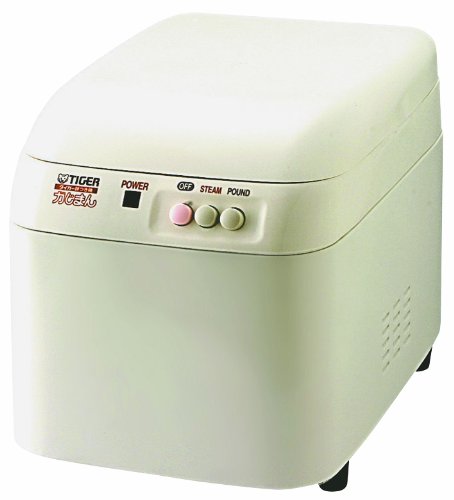
The 10-cup SMJ-A18U stands out for its included mochi and miso impellers, steam plate, measuring cup, and wooden rod for flattening mochi. Its dimple non-stick inner container is another specified feature. The 16.3-inch width means it needs a dedicated stretch of counter, so measure the available space before choosing it. This model suits cooks who value the included accessories for shaping and preparation; buyers focused on a different stated batch capacity should compare the other machines before deciding.
Bottom line: Choose it if the included mochi tools and 10-cup capacity suit your kitchen.
Zojirushi BS-ED10-WA Mochi Maker
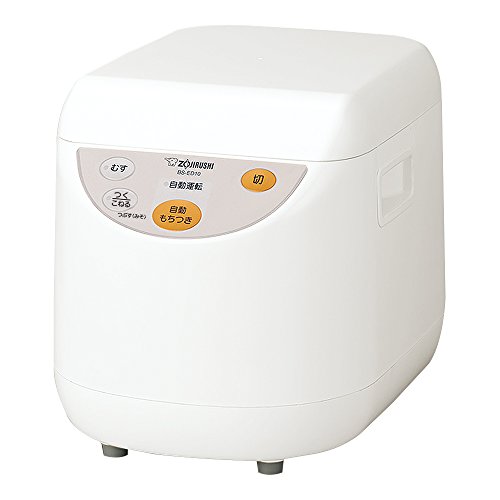
The BS-ED10-WA is distinguished by its one-bushel capacity in the model name, making batch size the key reason to consider it. Its weight is 17.64 pounds, and its color is white. This is a fit for cooks who need the larger capacity rather than a machine selected for an accessory set. A bushel is a volume measure, not a weight; confirm that this capacity matches the quantity of rice you intend to process before choosing it.
Bottom line: Pick it when its one-bushel capacity matches your planned batch.
Tiger SMG-A360-WL Mochi Maker

The SMG-A360-WL is the option with a clearly supplied three-dimensional footprint: about 17.9 inches long, 12.3 inches wide, and 13.8 inches high. That makes counter clearance an immediate comparison point, especially if overhead cabinets limit appliance height. The weight converts to about 2.2 pounds, but weight alone does not establish how much rice the machine can handle. This model suits shoppers prioritizing its measured footprint; confirm its capacity and included components before ordering if those determine your choice.
Bottom line: Choose it if its dimensions fit your counter and storage space.
How to choose a mochi maker machine
Start with the amount of rice you want to prepare, then check the machine’s capacity and counter footprint. Mochi is made from glutinous rice, also called sticky rice; it is not the same as ordinary long-grain rice. Mochi makers generally steam the soaked grains and then pound them into a cohesive dough, so a larger capacity matters only if you have room to store and use the finished batch. Compare dimensions against your counter and cabinet clearance, allowing room to handle the appliance and its lid. For frequent shaping, included tools can also matter: a dedicated mochi impeller and flattening rod serve different purposes from a measuring cup or steam plate.
Rice preparation and batch sizing
Glutinous rice is the traditional base for mochi, and soaking before steaming helps the grains cook evenly. A common home preparation is to soak the rice for several hours or overnight, then drain it before steaming; grain type and appliance directions affect the precise timing. Do not treat a capacity measured in cups as interchangeable with a bushel, which measures volume on a different scale. For a small kitchen, choose a machine whose physical footprint fits the counter as well as the batch fits your needs. Avoid overfilling: use the appliance’s capacity limit rather than adding extra rice to save a cycle.
Steam and pounding safety
Steam can cause serious burns, so keep your face and hands away from the steam outlet while a mochi maker is operating or opening after steaming. Place the appliance on a stable, dry counter with clearance around vents, and keep its cord away from the hot housing. Mochi dough is unusually sticky and dense; do not reach into an operating machine to loosen it. Switch off and unplug the appliance before cleaning or removing stuck food, and allow hot parts to cool. Mochi itself can also be a choking hazard because of its elastic texture; cut it into small pieces and supervise young children and anyone who has difficulty swallowing.
Tools, cleanup, and storage
Included accessories change what jobs a mochi maker can support without separate tools. An impeller designed for mochi handles the pounding step, while a flattening rod is for shaping the finished dough; a steam plate supports the steaming stage. A non-stick inner container may make dough release easier, but sticky rice residue still needs prompt attention. Let removable parts cool before washing, and avoid abrasive pads that can damage non-stick coatings. Check the appliance dimensions against both counter space and storage shelves before bringing it home. If accessories determine your choice, confirm the included components for the specific model.
Frequently Asked Questions
What kind of rice goes into mochi makers?
Use glutinous rice, also called sticky rice, for traditional mochi. It is a distinct rice type from ordinary long-grain rice, and soaking it before steaming supports more even cooking.
How long should glutinous rice soak for mochi?
A common home approach is several hours or overnight before draining and steaming. Grain condition and the appliance’s preparation directions can affect the timing, so avoid starting with dry, unsoaked rice unless the method calls for it.
Can I put my hands inside while the machine runs?
No; never reach into a running mochi maker to loosen sticky dough. Switch it off, unplug it, and wait for hot parts to cool before removing food or cleaning.
How much counter space should a mochi maker have?
Measure the machine’s footprint and leave open space around its vents and steam outlet. Check height as well as width and length when cabinets hang above the counter.
Is mochi safe for young children to eat?
Mochi’s sticky, elastic texture can pose a choking risk. Cut it into small pieces and supervise young children and anyone with swallowing difficulties.