
Low-Profile Earbuds for Helmets: 4 Options Compared

Artevive Motorcycle Earbuds is the clearest fit for helmet use because its maker describes a low-profile silicone design intended to sit inside the ear under helmet padding. Riders who want a battery runtime should compare Deedlite Bluetooth Moto Earbuds, while people considering general-purpose earbuds should verify that their helmet leaves enough room without pressing on the ear.
Earbuds are small in-ear audio devices; unlike helmet speakers, they sit in the ear canal, so fit and awareness of surrounding traffic matter.
We earn a commission if you buy through links on this page. As an Amazon Associate I earn from qualifying purchases. Products are compared on manufacturer specifications, not hands-on testing.
- Best overall: Artevive Motorcycle Earbuds – Its low-profile silicone design is specifically described for use under a helmet.
- Best for stated runtime: Deedlite Bluetooth Moto Earbuds – The maker gives 4–6 hours of playtime per charge and up to 18 hours with the case.
- Best for small earbuds: Mini Invisible Bluetooth Earbuds – The mini design is described as suited to small ear canals, though helmet fit is not a use.
| Product | Best for | Helmet-oriented design | Playtime | Shop |
|---|---|---|---|---|
| Artevive Motorcycle Earbuds | Helmet-first riders | Low-profile silicone | — | Check Price on Amazon |
| Deedlite Bluetooth Moto Earbuds | Runtime planning | Helmet-focused silicone | 4–6 hours per charge | Check Price on Amazon |
| Mini Invisible Bluetooth Earbuds | Small ear canals | Mini, small-ear design | — | Check Price on Amazon |
| JLab JBuds Mini | Compact everyday use | Compact true wireless | 5.5 hours per charge | Check Price on Amazon |
Low-profile earbuds for helmets
Compare helmet-focused designs with compact general-purpose earbuds, and prioritize fit under your own helmet padding.
Artevive Motorcycle Earbuds

Artevive Motorcycle Earbuds is the most directly helmet-focused option here: the maker describes a low-profile silicone shell that sits inside the ear, plus Bluetooth pairing with a phone for music or GPS. That design may suit riders who want to avoid a protruding earbud beneath helmet padding. The maker also claims the flexible shell stays in place when putting a helmet on; fit can still vary with ear shape and helmet liner, so check for pressure before riding. No battery runtime is provided, which matters if you need to plan longer trips around charging.
Bottom line: Choose this if helmet-oriented shape matters more than a battery runtime.
Deedlite Bluetooth Moto Earbuds

Deedlite Bluetooth Moto Earbuds stands out for its runtime: the maker says it plays for 4–6 hours per charge, with 2–3 additional recharges from the case and up to 18 hours total. It is described as a moto earbud with secure silicone and helmet comfort, making it relevant for riders who want to plan charging around a commute or longer ride. Bluetooth pairing with a smartphone or GPS is also described.
Bottom line: Pick this when a per-charge runtime is useful for planning rides.
Mini Invisible Bluetooth Earbuds
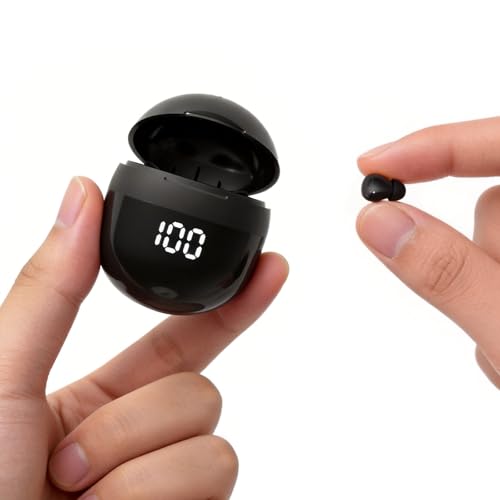
Mini Invisible Bluetooth Earbuds is aimed at small ear canals rather than specifically at motorcyclists. The maker describes a mini, discreet shape, Bluetooth 5.3, and use for sleeping or work, so it may interest riders seeking a compact alternative to a larger earbud. That distinction matters: a small earbud can still press against the ear under a close-fitting liner. Check that the helmet does not push the earbud inward or create discomfort before riding.
Bottom line: Consider this only if its small-ear design fits your helmet comfortably.
JLab JBuds Mini

JLab JBuds Mini is a compact everyday true-wireless option, not a motorcycle-specific design. Each earbud weighs 3.3 grams, and the maker gives 5.5 hours of playtime per earbud with up to 20 hours including the case. Bluetooth multipoint connects to two devices, while Be Aware Audio lets ambient sound in. Those everyday features may suit someone who also wants earbuds for commuting off the bike. The limitation is helmet fit: no helmet-oriented shape is described, and even compact earbuds can become uncomfortable when a liner presses on them.
Bottom line: Choose these for compact everyday listening only after checking helmet pressure.
How to choose low-profile earbuds for helmet use
Start with the earbud shape and your helmet’s pressure points, not with a claim of small size alone. In-ear buds sit in the ear canal, while helmet speaker systems mount near the ears; the latter avoid occupying the canal but need compatible helmet space and wiring or wireless controls. With under 1/4 inch of clearance between your ear and liner, a protruding earbud is more likely to press uncomfortably, so check the fit before a ride rather than relying on dimensions alone. A secure fit matters too: put the helmet on and remove it slowly to see whether the bud shifts. Keep audio low enough to hear traffic and alerts; do not treat noise cancellation as a substitute for awareness.
Check helmet fit before riding
Helmet fit is personal because head shape, ear position, cheek pads, and liner thickness all affect pressure. A helmet should sit snugly and evenly; adding an earbud must not force the shell or padding away from its normal position. Try the helmet with the earbuds inserted, then move your jaw and turn your head: pinching, a concentrated pressure spot, or a bud that moves during removal is a reason to choose another setup. Do not cut, compress, or remove protective helmet padding to make room. Most motorcycle helmets use a snug fit rather than a loose one, so a comfortable fit without earbuds does not guarantee comfort with them.
Earbuds and helmet speakers compared
Earbuds put audio in the ear canal; helmet speakers sit inside the helmet near the ears. The choice changes both fit and how much outside sound reaches you. Use the table to identify the relevant tradeoff, then check whether your helmet is designed to accommodate speakers. Either setup can distract when volume is high, so prioritize traffic awareness over sound isolation. Helmet speakers do not occupy the ear canal, but their position and clearance depend on the helmet’s pockets and liner; earbuds avoid speaker installation but can create pressure under padding.
| Audio setup | Where it sits | Fit concern |
|---|---|---|
| In-ear earbuds | Inside the ear | Pressure from liner or cheek pads |
| Helmet speakers | Inside helmet near ears | Speaker-pocket space and placement |
Use audio without losing awareness
Keep riding audio at a level that still lets you notice traffic, horns, and emergency vehicles. Earbuds with noise cancellation or a snug seal may reduce outside sound, so avoid relying on them for awareness; ambient sound modes also do not guarantee that every hazard will be audible. Laws on wearing headphones or earbuds while riding vary by state, so check the rule where you ride before using them on public roads. For navigation, set the route before moving and avoid handling a phone while riding. If audio masks surrounding sounds or distracts you, pause it and ride without it.
Frequently Asked Questions
Can earbuds fit under a motorcycle helmet?
Some can, but fit depends on the earbud profile, ear shape, and helmet padding. Try the helmet with the earbuds in place; pressure or shifting means the combination is not a good fit.
Are earbuds or helmet speakers better for riding?
Helmet speakers sit near the ears without occupying the ear canal, while earbuds can press against the ear under padding. Choose the setup your helmet accommodates comfortably, and keep audio low enough to hear traffic.
Do noise-canceling earbuds block traffic sounds?
Noise cancellation can reduce outside sound, which may make traffic and warning signals harder to hear. Avoid depending on noise cancellation for riding awareness and follow applicable local rules.
How should I check earbud comfort with a helmet?
Put the earbuds in, wear the helmet as intended, and turn your head and move your jaw. Any pinching, concentrated pressure, or bud movement during helmet removal is a reason to change the setup.
Can I modify helmet padding for earbuds?
Do not cut, compress, or remove protective padding to make room for earbuds or speakers. Use only a helmet configuration designed to accommodate audio equipment.