
Best Tennis Shoes for Hip Pain: 5 Options Compared

For most people seeking tennis shoes for hip pain, Brooks Adrenaline GTS 25 is the closest match because it pairs supportive guidance with cushioned running and walking comfort.
These products are mainly walking or running shoes, not court-specific tennis shoes; choose a different type if you need lateral stability for tennis, and remember that footwear cannot diagnose or treat hip pain.
We earn a commission if you buy through links on this page. As an Amazon Associate I earn from qualifying purchases. Products are compared on manufacturer specifications, not hands-on testing.
- Best overall: Brooks Adrenaline GTS 25 – GuideRails support and nitrogen-infused DNA LOFT v3 cushioning are designed for running and walking.
- Best for rocker walking: NORTIV 8 ActiveFloat Rocker Shoe – Its curved rocker sole supports a rolling heel-to-toe stride.
- Best for arch support: ZF ZEFUHER Arch-Support Walking Shoe – Includes arch-support insoles and a flexible, cushioned midsole.
| Product | Best for | Support or guidance | Cushioning or sole | Intended use | Shop |
|---|---|---|---|---|---|
| Brooks Adrenaline GTS 25 | Guided daily walking | GuideRails support | DNA LOFT v3 | Running and walking | Check Price on Amazon |
| ALLSWIFIT ActiveBreeze 2.0 | Slip-on daily walks | Contoured arch insole | High-rebound EVA | Walking and workouts | Check Price on Amazon |
| ZF ZEFUHER Arch-Support Walking Shoe | Arch support insole | Arch-support insoles | Flexible cushioned midsole | Walking, running, gym | Check Price on Amazon |
| NORTIV 8 ActiveFloat Rocker Shoe | Rocker-style walking | Snug fit; wide option noted | Cushioned EVA; rocker sole | Walking, jogging, gym | Check Price on Amazon |
| ALLSWIFIT ActiveSolid Men’s Slip-On | Men’s slip-on walking | Firm arch support | Spongy EVA | Walking, work, workouts | Check Price on Amazon |
Walking and Running Shoes for Hip Pain
Compare the support style and intended activity before choosing a pair for hip-sensitive walking or workouts.
Brooks Adrenaline GTS 25
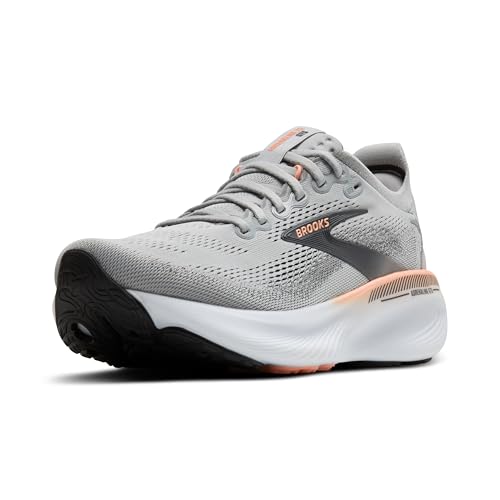
GuideRails guidance sets this pair apart from the more basic cushioning or arch-insole designs here. Brooks says the system supports the body’s natural motion path while checking excess movement, and the nitrogen-infused DNA LOFT v3 midsole provides soft, dynamic cushioning. The shoe is intended for running and walking, so it suits someone who wants guided support in both activities. Its focus is not court movement: players needing a tennis-specific outsole and lateral support should look for a court shoe instead.
Bottom line: Choose this for guided support during running and walking rather than court play.
ALLSWIFIT ActiveBreeze 2.0

A hands-free slip-on entry distinguishes this walking shoe from the lace-up or rocker-style options. Its high-rebound EVA midsole and mesh-covered EVA insole with contoured arch support are designed for daily walks, long shifts, and workouts; the Jacquard mesh upper stretches naturally. That mix may suit someone prioritizing quick on-and-off wear and foot support for everyday activity. The shoe is not presented as a tennis-court model, so it is a poor fit for players who need lateral stability during quick direction changes.
Bottom line: Pick it for easy slip-on access and everyday walking rather than court tennis.
ZF ZEFUHER Arch-Support Walking Shoe

The included pair of arch-support insoles is the defining feature of this walking shoe. Its flexible midsole is designed for cushioning and shock absorption, and the mesh or knitted upper is intended to promote breathability. Those features make it relevant for someone who wants built-in arch support for walking or general workouts. Hip pain is not the same as foot pain, however, and an arch-support insole does not establish that this shoe will relieve hip symptoms; seek professional advice if pain persists.
Bottom line: Choose it if an included arch-support insole matters more than tennis-court construction.
NORTIV 8 ActiveFloat Rocker Shoe

A curved rocker sole gives this shoe a different stride feel from the flatter options. Its EVA midsole is designed to cushion and absorb ground impact, while the mesh upper and breathable lining suit extended everyday wear. The maker recommends going up half a size or choosing a wide width for a roomier fit. That fit note matters if a snug shoe is uncomfortable; the rocker construction is aimed at walking and general activity, not the side-to-side cuts of tennis.
Bottom line: Choose it for a rolling walking stride, not for court-specific movement.
ALLSWIFIT ActiveSolid Men’s Slip-On
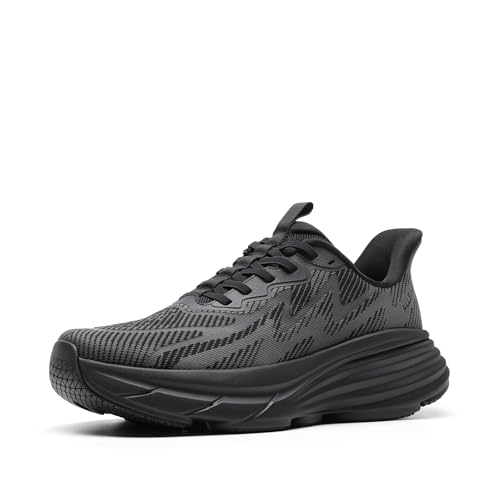
A men’s wide-size option and hands-free design separate this shoe from the women’s choices. It has a spongy EVA midsole, firm arch support, a moisture-wicking insole, and a breathable mesh upper; its uses include walking, standing, work, and workouts. The slip-on format suits someone who values quick entry during everyday wear. This is a walking-oriented shoe rather than a tennis shoe built for abrupt lateral movement, so court players should choose footwear designed for tennis.
Bottom line: Pick it for men’s wide slip-on walking comfort rather than tennis play.
How to Choose Shoes When Your Hip Hurts
Start with the activity: walking shoes prioritize forward motion, while tennis shoes need support for side-to-side cuts and stops. For hip discomfort, prioritize a secure heel, a stable base, and cushioning that feels comfortable rather than choosing the softest midsole by default. A shoe that compresses or lets the heel wobble can change how the foot meets the ground. Try shoes late in the day when feet are slightly larger, and leave about a thumb’s width of space at the toe. If pain worsens, persists, or changes your walking pattern, consult a clinician instead of relying on footwear alone.
Walking Shoes Versus Tennis Court Shoes
Walking shoes are built around a forward rolling stride; court shoes are built to resist wear and give traction during repeated lateral movement. Tennis courts vary: hard courts are abrasive, while clay courts favor tread that releases loose material. A running or walking outsole can feel unstable during cuts even when its cushioning is comfortable. Use the table to match shoe type to activity, not just the word “tennis” in a product name.
| Activity | Priority | Useful shoe type |
|---|---|---|
| Daily walking | Comfortable forward stride | Walking shoe |
| Hard-court tennis | Lateral stability and durable tread | Hard-court shoe |
| Clay-court tennis | Grip suited to loose surface | Clay-court shoe |
If you play tennis more than occasionally, choose a court-specific shoe even if you also want cushioning for hip comfort.
Fit and Cushioning Checks
A sound fit should hold the heel without pinching the toes or compressing the forefoot. Shop with the socks you use for activity and check both shoes while standing; feet are often not identical in length. For tennis, keep the shoe snug enough to limit sliding during lateral stops, with roughly a half-inch of toe room as a practical starting point. Cushioning is personal: a very soft midsole can feel comfortable but may feel less stable during direction changes. Replace shoes when tread is visibly worn or the midsole feels uneven or compressed, rather than waiting for a fixed mileage target.
When Hip Pain Needs More Than a Shoe Change
Shoes can affect comfort, but they do not identify the cause of hip pain. Pain that follows a fall, prevents normal weight-bearing, or comes with fever or sudden severe symptoms warrants prompt medical care. For mild discomfort that persists or recurs, a clinician or physical therapist can assess gait, strength, and range of motion rather than assuming the shoe is the cause. Avoid suddenly increasing court time or walking distance while testing a new pair; gradual changes make it easier to notice whether the activity or footwear is aggravating symptoms.
Frequently Asked Questions
Are walking shoes suitable for playing tennis?
Walking shoes are made primarily for forward motion, while tennis requires lateral stability and court-appropriate traction. If you make quick cuts or play regularly, choose shoes labeled for your court surface.
How much toe room should tennis shoes have?
About a half-inch of space beyond the longest toe is a practical starting point for tennis. Keep the heel secure and confirm the foot does not slide during side steps.
Can cushioned shoes fix hip pain?
Cushioning may affect comfort, but shoes cannot diagnose or fix the cause of hip pain. Persistent or worsening pain, especially if it changes your gait, should be assessed by a healthcare professional.
When should I replace worn tennis shoes?
Replace tennis shoes when tread is visibly worn or the sole feels uneven or compressed, especially if grip or stability has changed. Court surface and playing frequency affect how quickly wear appears.
Should I choose a very soft shoe for hip discomfort?
Not automatically; a very soft midsole may feel comfortable but can feel less stable during tennis cuts. Choose cushioning that feels comfortable while keeping the heel secure and the base steady.