
Bug Spray for Thailand: 4 Repellents Compared

Repel 100 is the strongest fit among these options for Thailand because it contains 98.11% DEET and claims up to 10 hours of protection. Choose a picaridin spray instead if you prefer a DEET-free formula or want Sawyer’s compatibility with plastics and synthetic coatings.
Insect repellent helps reduce bites, but no spray replaces covering up and using a mosquito net where needed.
We earn a commission if you buy through links on this page. As an Amazon Associate I earn from qualifying purchases. Products are compared on manufacturer specifications, not hands-on testing.
- Best overall: Repel 100 4 oz – Its 98.11% DEET formula is intended for severe insect conditions and claims up to 10 hours of protection.
- Best for gear compatibility: Sawyer 20% Picaridin Pump Spray – The 20% picaridin pump spray is described as safe for plastics and synthetic coatings.
- Best for aerosol application: OFF! Clean Feel 20% Picaridin – Its aerosol format applies easily and claims up to 8 hours of flying-insect protection.
| Product | Best for | Active ingredient | Protection time | Format | Shop |
|---|---|---|---|---|---|
| Repel 100 4 oz | High DEET concentration | 98.11% DEET | Up to 10 hours | Pump spray | Check Price on Amazon |
| Sawyer 20% Picaridin Pump Spray | Protecting travel gear | 20% picaridin | Up to 12 hours | Pump spray | Check Price on Amazon |
| Grand Tongo 20% Picaridin | Fragrance-free formula | 20% picaridin | Up to 12 hours | Spray | Check Price on Amazon |
| OFF! Clean Feel 20% Picaridin | Aerosol application | 20% picaridin | Up to 8 hours | Aerosol | Check Price on Amazon |
Bug Spray for Thailand
Compare active ingredients, claimed protection times and formats to find a repellent that suits your trip.
Repel 100 4 oz

Repel 100 stands apart with the highest DEET concentration among these options: 98.11%. The maker says the formula is intended for severe insect conditions and protects for up to 10 hours against mosquitoes, ticks, gnats, biting flies, chiggers and fleas. Its 4-ounce pump format is compact for travel. This is the pick for travelers who prioritize a high DEET concentration and broad listed coverage; the tradeoff is that it is not DEET-free, so choose a picaridin option if avoiding DEET matters to you. Apply only as directed and keep repellent away from eyes and mouth.
Bottom line: Choose this if high DEET concentration and broad listed insect coverage are your priorities.
Sawyer 20% Picaridin Pump Spray

Sawyer’s distinguishing feature is its compatibility with plastics and synthetic coatings, making it a practical option around watches, sunglasses and backpacks. The 3-ounce pump spray contains 20% picaridin; the maker claims up to 12 hours of protection against mosquitoes and ticks and up to 8 hours against flies, gnats and chiggers. The fragrance-free formula dries quickly and is non-greasy. Its smaller container may suit travelers limiting what they carry, but its claims cover fewer insect types than Repel 100’s list; consider that difference if you want coverage for fleas too.
Bottom line: Pick this if you want picaridin and need a formula described as compatible with plastics and synthetic coatings.
Grand Tongo 20% Picaridin

Grand Tongo combines 20% picaridin with a water-based, quick-drying formula and a fragrance-free label. The maker claims up to 12 hours against mosquitoes and ticks and up to 8 hours against biting flies, gnats, chiggers and sand flies. The 4.5-ounce size is larger than the other options here, useful if you want more product in one container. A slight peppery scent may still be noticeable despite the fragrance-free formula, and the product does not share Sawyer’s specific claim about compatibility with plastics and synthetic coatings.
Bottom line: Choose this if a fragrance-free 20% picaridin formula and a larger container fit your preferences.
OFF! Clean Feel 20% Picaridin
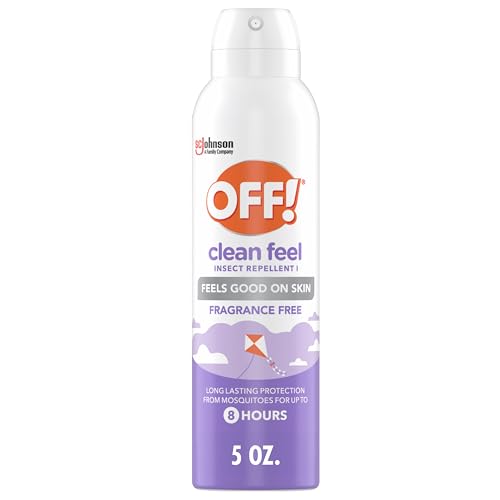
OFF! Clean Feel is the only aerosol among these choices, so it suits travelers who prefer aerosol application to a pump spray. Its fragrance-free, DEET-free formula contains 20% picaridin; the maker says protection against flying insects lasts up to 8 hours and describes the spray as effective against mosquitoes, ticks and biting flies when used as directed. The 5-ounce container is also the largest size here. Its protection window is shorter than the 10- and 12-hour claims on other options, so it may be less convenient when you want a longer interval between applications.
Bottom line: Pick this if aerosol application matters more than a longer claimed protection window.
How to Choose Bug Spray for Thailand
Choose a repellent by active ingredient, claimed duration and how you will apply it. The CDC recommends EPA-registered repellents with ingredients such as DEET or picaridin for protection from mosquito bites; the options here include both. A higher concentration can mean longer protection, but follow the product label for reapplication rather than extending the interval yourself. If you will carry or handle plastic gear, note that DEET can damage some plastics and synthetic materials; a picaridin formula is a sensible alternative, and Sawyer specifically says its spray will not damage plastics or synthetic coatings. For a decision rule, favor the longest duration that suits your expected time outdoors, then plan to reapply according to the label after swimming or heavy sweating.
Using Repellent Alongside Other Bite Protection
Repellent works best as one layer of bite prevention, not the only one. Long sleeves, long pants, screened rooms and mosquito nets can reduce exposed skin, particularly at dawn and dusk when many mosquitoes are active. If you also use sunscreen, apply sunscreen first and repellent afterward; sunscreen may need more frequent reapplication, so follow each label. Never spray repellent beneath clothing or directly on a child’s hands, eyes or mouth. For application to the face, spray into your hands first and then spread carefully, avoiding the eyes and lips. Keep sprays away from food and use them outdoors or in a well-ventilated area, especially with an aerosol.
Pump Sprays, Aerosols and Active Ingredients
Format changes how a repellent is applied, while the active ingredient and label determine its use and claimed duration. Pump sprays let you direct application more narrowly; aerosol sprays are convenient to apply but can drift, so avoid inhaling the mist and keep it away from flames. DEET and picaridin are both recognized repellent ingredients, but their compatibility with materials can differ: DEET can harm some plastics, while the Sawyer product specifically claims compatibility with plastics and synthetic coatings. Use this comparison to match a travel need to a format and ingredient.
| Travel need | Choice to consider | Reason |
|---|---|---|
| High DEET concentration | Repel 100 | 98.11% DEET |
| Gear material compatibility | Sawyer picaridin | Claims compatibility with plastics and synthetic coatings |
| Aerosol format | OFF! Clean Feel | Aerosol application |
| Larger picaridin container | Grand Tongo | 4.5-ounce size |
Safe Application in Hot, Humid Weather
Apply repellent only to exposed skin or clothing as its label allows, and wash treated skin with soap and water when you are done outdoors. Heat and humidity can increase sweating, but do not assume that every formula needs the same reapplication schedule: use the product’s label, and reapply after swimming or heavy sweating when directed. Avoid spraying near eyes, lips, cuts or irritated skin, and do not apply it to children’s hands. Store containers away from heat and open flames; aerosols are pressurized and should not be punctured or left in a hot vehicle. A repellent does not make a mosquito bite impossible, so keep using clothing and screened sleeping areas.
Frequently Asked Questions
Is DEET or picaridin better for Thailand?
Both are recognized repellent ingredients for reducing mosquito bites. DEET can damage some plastics, while picaridin may suit travelers concerned about gear; the Sawyer formula specifically claims compatibility with plastics and synthetic coatings.
How often should I reapply mosquito repellent?
Use the interval on the product label, since protection time differs by formula and concentration. Reapply after swimming or heavy sweating when the label directs.
Can I put bug spray over sunscreen?
Apply sunscreen first and repellent afterward. Sunscreen may require more frequent reapplication, so follow both product labels rather than assuming one schedule works for both.
Can I spray insect repellent on my clothes?
Use a repellent on clothing only when its label allows it. DEET can damage some plastics and synthetic materials, so keep it away from gear and check material compatibility before application.
What else helps prevent mosquito bites at night?
A mosquito net and screened sleeping area reduce exposure while you sleep. Long sleeves and pants also cover skin, and a repellent can protect exposed areas according to its label.