
Best Elbow Compression Sleeve: 4 Options Compared

CAMBIVO Elbow Sleeve, 2-Pack is the best fit for most people who want a pull-on pair, because it comes as a two-pack and uses seamless knit construction without straps or Velcro. Choose a single brace instead if you want one sleeve or prefer a different size or design.
An elbow compression sleeve is a snug, pull-on support garment; fit matters more than a product’s pain-relief claims, so choose by the maker’s size chart and your elbow measurement.
We earn a commission if you buy through links on this page. As an Amazon Associate I earn from qualifying purchases. Products are compared on manufacturer specifications, not hands-on testing.
- Best overall: CAMBIVO Elbow Sleeve, 2-Pack – A two-pack with seamless knit construction and no straps or Velcro.
- Best for a single brace: APOYO Elbow Brace, Large – A single large brace for workout and everyday use.
- Best for a pair: POWERLIX Elbow Sleeve, 2-Pack – A large two-pack designed for multiple activities.
- Best for a medium fit: Kunto Fitness Elbow Sleeve, Medium – A medium sleeve with breathable compression fabric.
| Product | Best for | Pack | Size | Design | Shop |
|---|---|---|---|---|---|
| CAMBIVO Elbow Sleeve, 2-Pack | Pair of sleeves | 2 sleeves | Medium | Seamless 3D knit | Check Price on Amazon |
| APOYO Elbow Brace, Large | Single large brace | 1 brace | Large | Pressure-support brace | Check Price on Amazon |
| POWERLIX Elbow Sleeve, 2-Pack | Large-size pair | 2 sleeves | Large | Compression sleeve | Check Price on Amazon |
| Kunto Fitness Elbow Sleeve, Medium | Medium activity sleeve | — | Medium | Breathable compression fabric | Check Price on Amazon |
Elbow Compression Sleeves
Compare the pack, fit, and construction to narrow down which sleeve suits your routine.
CAMBIVO Elbow Sleeve, 2-Pack
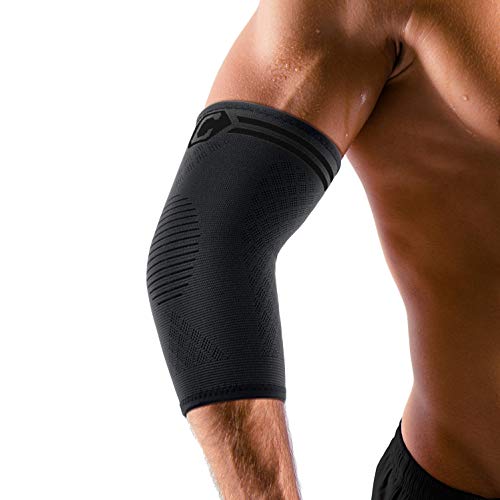
The two-sleeve pack and pull-on design distinguish this option from the single brace and products without a pack count. The maker describes a seamless 3D-knit construction, moisture-wicking fabric, and a contoured elbow zone, with no straps or Velcro. It may suit someone who wants a pair for everyday wear or exercise. The size here is medium, so buyers needing another size should compare their measurement with the maker’s size chart before choosing; elbow sleeve sizing is not interchangeable across brands.
Bottom line: Choose this if you want a two-pack in medium with a strap-free knit design.
APOYO Elbow Brace, Large
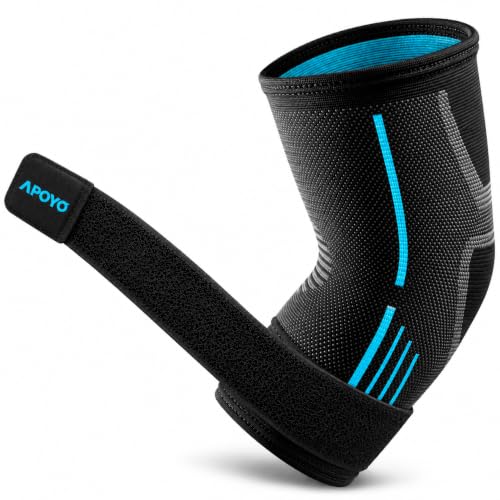
The single-brace format and large size set this option apart from the two-packs and the medium sleeve. The maker says it applies leveled pressure and is intended for workout and everyday use across activities such as tennis, golf, and weightlifting. It may suit someone who needs one large brace rather than a pair. A large label alone does not establish fit: measure the elbow as directed by the maker and use that brand’s chart, since sizing can differ between manufacturers.
Bottom line: Choose this if one large brace matches your measurement and routine.
POWERLIX Elbow Sleeve, 2-Pack

The large-size pair makes this a distinct choice for buyers seeking two sleeves rather than a single brace. The maker describes it as a compression support for activities including tennis and weightlifting, and also names several elbow conditions in its intended uses. The specifications do not identify a fabric or closure, so buyers prioritizing a specific material or fastening style should confirm those before choosing. Since this version is large, check the maker’s size chart rather than assuming the label matches another brand’s large.
Bottom line: Choose this if you want a large two-pack and the size chart confirms your fit.
Kunto Fitness Elbow Sleeve, Medium

The medium size and breathable, form-fitting compression fabric distinguish this sleeve from the large braces and the explicitly identified two-packs. The maker describes it for sports and lifting while allowing range of arm motion. It may suit someone looking for a medium sleeve for activity; the product name does not establish a pack count, so confirm whether the quantity suits your needs. Use the maker’s chart to verify the medium fit, since a sleeve that is too tight can be uncomfortable.
Bottom line: Choose this if a medium fit and breathable compression fabric are your priorities.
How to Choose an Elbow Compression Sleeve
Choose an elbow sleeve by measuring first, then matching the measurement to that brand’s size chart. Sleeve sizes are not standardized across manufacturers, and a medium in one brand can fit differently from a medium in another. A close fit should feel snug rather than painful; remove the sleeve if you notice tingling, numbness, or a change in hand color. Decide whether you want one sleeve or a pair, then compare construction and closure: pull-on knit sleeves have no straps to adjust, while brace-style products may differ in how they secure. Do not treat a sleeve’s advertised condition list as proof that it is right for a particular injury; persistent pain or swelling merits medical advice.
Getting the Elbow Sleeve Fit Right
A correct fit starts with the measurement point and method on the maker’s chart, because brands may define sizing differently. Measure with a flexible tape and keep it level rather than pulling it tight; use the chart’s elbow or arm measurement, not clothing size. If your measurement falls between sizes, use the maker’s guidance instead of assuming tighter compression is better. Once on, the sleeve should lie flat without rolling or bunching and should not restrict hand circulation. A practical decision rule is to remove the sleeve immediately if your fingers become numb, tingly, unusually cold, or discolored. Recheck the fit after activity, since movement can shift a sleeve that seemed secure while standing still.
Compression Sleeves and Braces Compared
Pull-on sleeves and braces both sit around the elbow, but their construction affects setup and adjustment. A seamless knit sleeve pulls on without fasteners; a brace may offer a different support format, so check how it closes before buying. Pack quantity also changes the choice: a two-pack provides a pair, while a single brace is one unit. The table compares only product attributes that distinguish these options; it does not rank medical effectiveness.
| Need | Product fit | What to compare |
|---|---|---|
| Two sleeves | CAMBIVO or POWERLIX | Medium knit option versus large compression pair |
| One large brace | APOYO | Single brace format |
| Medium compression sleeve | Kunto | Breathable, form-fitting fabric |
Choose the product format only after the size chart confirms the fit; pack count cannot compensate for a sleeve that is the wrong size.
Using an Elbow Sleeve Safely
An elbow sleeve is a wearable support, not a substitute for diagnosing an injury or following a clinician’s restrictions. Put it on with the fabric smooth and the elbow zone centered as intended; folded or rolled fabric can create uneven pressure. Take it off if you experience tingling, numbness, color change, or increasing discomfort, and do not keep tightening a sleeve to chase stronger compression. After exercise, check for persistent skin irritation and let the garment dry before storing it; follow the care directions supplied with the specific sleeve because knit and brace materials can differ. If elbow pain persists, worsens, or limits normal movement, seek medical guidance rather than relying on a sleeve alone.
Frequently Asked Questions
How should an elbow compression sleeve fit?
An elbow compression sleeve should feel snug and stay smooth without causing pain or limiting hand circulation. Use the maker’s measurement chart, because size labels differ by brand; remove it if tingling or color change occurs.
Should I choose a medium or large elbow sleeve?
Choose the size that matches the maker’s chart for your measured elbow or arm circumference, not a size label from another brand. If your measurement falls between sizes, use that maker’s specific guidance rather than selecting tighter compression automatically.
Can I wear an elbow sleeve during exercise?
Some sleeves are marketed for activities such as tennis, golf, and weightlifting, but fit remains essential during movement. Stop and remove the sleeve if it slips, bunches, causes pain, or produces tingling or numbness.
When should I take off an elbow compression sleeve?
Take it off if your fingers become numb, tingly, unusually cold, or discolored, or if discomfort increases. Persistent elbow pain or swelling should be assessed by a health professional rather than managed by tightening the sleeve.