
Ribbon Cutter and Sealer: 3 Options Compared

For a ribbon cutter and sealer, DRQG50-A Heat Cutting Ribbon Cutter is the closest match for most crafters because it is a portable electric heat cutter with an adjustable 100–700°C range. Choose Hot Ribbon Cutter and Sealer if its included three heating-wire reels better suit your needs, but confirm its 220–240 V input is compatible with your setup.
We R Memory Keepers Ribbon Cutter Wires is replacement wire rather than a complete cutter, so choose it only if you need that part.
We earn a commission if you buy through links on this page. As an Amazon Associate I earn from qualifying purchases. Products are compared on manufacturer specifications, not hands-on testing.
- Best overall: DRQG50-A Heat Cutting Ribbon Cutter – It is a portable heat cutter with an adjustable 100–700°C range.
- Best for extra wire reels: Hot Ribbon Cutter and Sealer – It includes three heating-wire reels and adjusts from 100–600°C.
- Best for replacement wires: We R Memory Keepers Ribbon Cutter Wires – It is a replacement-wire pack for a compatible ribbon cutter.
| Product | Best for | Temperature range | Included accessories | Product type | Shop |
|---|---|---|---|---|---|
| DRQG50-A Heat Cutting Ribbon Cutter | Adjustable heat | 100–700°C | Screwdriver, heated wire roll | Electric heat cutter | Check Price on Amazon |
| Hot Ribbon Cutter and Sealer | Extra wire reels | 100–600°C | Screwdriver, 3 wire reels | Electric heat cutter | Check Price on Amazon |
| We R Memory Keepers Ribbon Cutter Wires | Replacement wires | — | Replacement wires | Replacement part | Check Price on Amazon |
Ribbon Cutters and Sealers
Compare complete heat cutters with the replacement-wire option, and choose according to your material and electrical setup.
DRQG50-A Heat Cutting Ribbon Cutter

DRQG50-A Heat Cutting Ribbon Cutter stands out for its 100–700°C adjustable temperature range, the widest range among these complete cutters. The maker says it can cut and seal ribbons, lace, hair accessories, and ropes; the package includes a screwdriver and heated wire roll. Its portable format suits craft work that calls for changing heat settings across materials. The range does not establish the right setting for every ribbon, so start with a material offcut and adjust cautiously. The features do not identify its input voltage, so verify compatibility before using it with your power supply.
Bottom line: Choose this if you want a portable cutter with a broad adjustable temperature range.
Hot Ribbon Cutter and Sealer

Hot Ribbon Cutter and Sealer is distinguished by its three included heating-wire reels, while its adjustable range reaches 600°C. The maker says the cutter is intended for ribbons, lace, hair accessories, and braided belts, and describes the heated wire as producing clean edges. Its compact form may suit a small DIY workspace. The input is 220–240 V, so confirm that voltage is appropriate for your electrical setup before ordering; the product name’s US-plug wording does not change the input. Buyers who need a different voltage should choose a compatible tool.
Bottom line: Choose this if three spare wire reels matter and your setup supports 220–240 V.
We R Memory Keepers Ribbon Cutter Wires
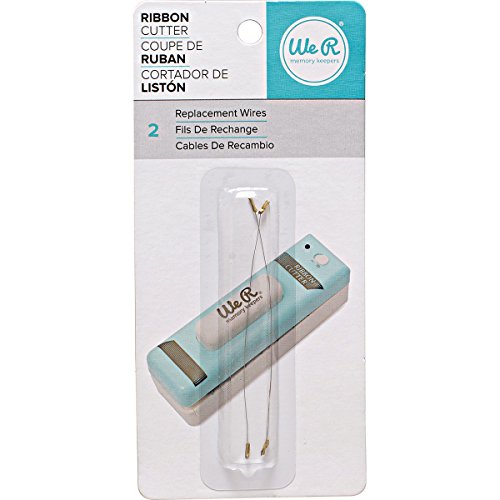
We R Memory Keepers Ribbon Cutter Wires is a replacement-wire option, not a complete electric ribbon cutter and sealer. Its size is Ribbon Cutter Wires, and the package is multi-colour. This option suits someone who already owns a compatible cutter and needs replacement wires rather than a new tool. It does not include a complete cutting machine in the product name or supplied features, so it will not serve buyers starting without one.
Bottom line: Choose this only when you need replacement wires for a compatible cutter.
How to Choose a Ribbon Cutter and Sealer
Choose a heat cutter by matching its temperature range to your material and confirming that the tool suits your workspace power supply. Hot knives melt synthetic fibers as they cut, which can leave a sealed edge; natural fibers may char instead of sealing. Test on a scrap piece first, because ribbon thickness and fiber content affect the result. Use a stable, heat-resistant work surface and keep fingers clear of the hot blade or wire. A fan does not make fumes harmless: ventilate the work area, especially when cutting synthetic materials. For frequent cutting, consider whether replacement heating elements are available and whether you can safely swap them after the tool cools.
Ribbon Cutter Types and Their Uses
Complete electric hot cutters and replacement wires solve different problems: a cutter heats an element to slice material, while replacement wires are parts for an existing compatible tool. A tape dispenser with a length setting is another type entirely; dispensing adhesive tape does not melt-seal ribbon edges. Choose a hot cutter for synthetic trim when sealed edges matter, and choose replacement wire only when the specific cutter model accepts it. Hot-wire tools are not appropriate for every textile: a natural-fiber ribbon may scorch, while adhesive-backed or coated material may produce fumes. Identify the fiber and coating before cutting, and use a scrap to confirm the edge quality.
The table distinguishes the tool types and the first check to make.
| Type | Use | Check first |
|---|---|---|
| Electric heat cutter | Cutting and edge sealing | Material and voltage compatibility |
| Replacement wire | Maintaining a compatible cutter | Machine compatibility |
| Tape dispenser | Cutting adhesive tape to length | Roll width and tape type |
Temperature, Material, and Safe Use
Temperature controls on hot cutters offer a range, not a universal setting for every ribbon. A lower setting may be enough for thin synthetic trim, while thicker material can require more heat; use small adjustments and test on offcuts rather than assuming the highest setting is best. Keep hot elements away from skin, loose fibers, and flammable surfaces, and allow the tool to cool fully before changing wire or storing it. Work with ventilation when heating synthetic materials. Electrical compatibility matters as much as heat: a tool marked 220–240 V should not be assumed compatible with a different supply just because its name mentions a regional plug.
Frequently Asked Questions
Can a hot ribbon cutter seal every ribbon edge?
No; heat sealing works best on thermoplastic synthetic fibers, while cotton or other natural fibers can char rather than fuse. Test a short offcut before cutting a finished piece.
How do I choose a temperature for ribbon?
Start low within the cutter’s adjustment range and increase gradually until an offcut cuts cleanly. Ribbon thickness, weave, and fiber content all affect the useful setting.
Can I use replacement cutter wire with any machine?
No; replacement wire must fit the specific cutter’s design and connections. Check the machine model and wire dimensions before installing it, and let the tool cool first.
What safety precautions matter when heat cutting ribbon?
Use a heat-resistant surface, keep hands away from the hot element, and ventilate the area when heating synthetic materials. Unplug the tool and let it cool before changing wire or putting it away.
Does a 220–240 V cutter work on US household power?
Do not assume so: the input voltage must match the supply, and a plug shape alone does not establish electrical compatibility. Confirm the tool’s input requirements before connecting it.