
Mid’s Pasta Sauce: 3 Styles Compared by Size and Flavor

Mid’s Traditional is the best fit for cooks seeking a classic pasta sauce in a 28-ounce jar, while Italian sausage and homestyle three-cheese styles suit meals where those flavors are wanted. Choose another option if you need a single jar rather than a case, or prefer a different sauce style.
We earn a commission if you buy through links on this page. As an Amazon Associate I earn from qualifying purchases. Products are compared on manufacturer specifications, not hands-on testing.
- Best overall: Mid’s Traditional Pasta Sauce, 28 oz – Traditional style in 28-ounce jars, sold as a 12-jar case.
- Best for sausage flavor: Mid’s Italian Sausage Pasta Sauce, 28 oz – A 28-ounce pasta sauce made in an Italian sausage style.
- Best for cheese flavor: Mid’s Homestyle Three Cheese Pasta Sauce, 32 oz – Homestyle three-cheese sauce in 32-ounce jars, sold by the case.
| Product | Best for | Style | Jar size | Package quantity | Shop |
|---|---|---|---|---|---|
| Mid’s Traditional Pasta Sauce, 28 oz | Classic pasta dishes | Traditional | 28 oz | 12 jars | Check Price on Amazon |
| Mid’s Italian Sausage Pasta Sauce, 28 oz | Sausage-style sauce | Italian sausage | 28 oz | 1 jar | Check Price on Amazon |
| Mid’s Homestyle Three Cheese Pasta Sauce, 32 oz | Cheese-forward dishes | Homestyle three cheese | 32 oz | 12 jars | Check Price on Amazon |
Mid’s pasta sauce options
Compare the sauce styles and package sizes to match the sauce to your recipe and how much you plan to use.
Mid’s Traditional Pasta Sauce, 28 oz
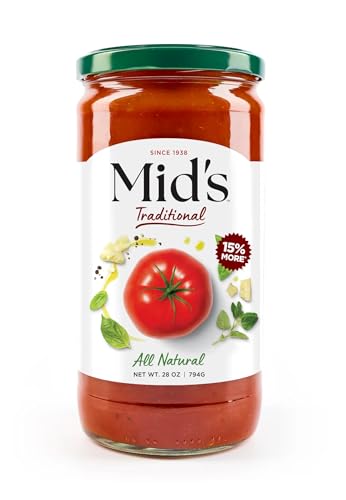
For a traditional sauce style in a larger pantry quantity, this option comes as twelve 28-ounce jars. The package size suits households that use pasta sauce regularly or cooks planning several meals; a single jar is a more practical choice when you only need sauce for one dinner. The product name identifies the sauce as traditional, but the facts do not establish a specific seasoning profile or dietary attribute beyond the product wording. Match the jar quantity to storage space and expected use before choosing a case.
Bottom line: Choose this case if you want a traditional style and will use or store twelve jars.
Mid’s Italian Sausage Pasta Sauce, 28 oz

Unlike the traditional and three-cheese options, this 28-ounce jar is identified by its Italian sausage style. It is the most straightforward fit when that flavor direction is intended for a pasta meal, and the single-jar format avoids committing to a case. The package is smaller in total quantity than the twelve-jar options, which matters for cooks preparing multiple meals. The product name alone does not specify sausage amount, texture, or whether the sauce contains meat pieces, so choose it for the named style rather than assuming a particular recipe composition.
Bottom line: Pick this jar when you want Italian sausage style in a single 28-ounce package.
Mid’s Homestyle Three Cheese Pasta Sauce, 32 oz
This case pairs a homestyle three-cheese style with 32-ounce jars, making it distinct from the 28-ounce traditional case and single sausage jar. The larger jar size can be useful for recipes that call for a generous amount of sauce, while the twelve-jar count favors planned, repeated use. Consider whether the recipe benefits from that flavor and whether you have room to store a case before selecting this format.
Bottom line: Choose this case for a three-cheese style and larger 32-ounce jars.
How to choose a pasta sauce style
Start with the flavor the recipe needs, then match the package quantity to the number of meals. Tomato-based sauces can be simple marinara, meat- or sausage-style, or cheese-enriched; those styles affect how much seasoning or richness the finished dish needs. For a lighter coating, begin with roughly 1/2 cup of sauce per 2 ounces of dry pasta and add more to taste. For baked pasta, use enough sauce to coat the noodles well because oven time can dry exposed pasta. A useful decision rule is to choose the single jar when one meal is the goal, and a case only when repeated use and storage space are both realistic.
Jar size and package quantity
Jar volume and package count answer different planning questions: a larger jar provides more sauce per opening, while a case provides more total servings across multiple meals. As a rough kitchen estimate, a 24-ounce jar can coat about 6 to 8 servings when using 3 to 4 ounces per serving; appetite and recipe style change that yield. Divide the total ounces by your recipe’s planned amount rather than judging only by jar count. Before committing to a case, consider pantry space and whether opened jars can be refrigerated and used promptly. A twelve-jar case is a bulk format, not automatically a better fit for a household that cooks pasta only occasionally.
Making sauce work in a pasta dish
Reserve about 1/2 cup of starchy pasta cooking water before draining; a splash helps loosen thick sauce and encourages it to cling to noodles. Warm sauce gently in a pan rather than boiling it hard, since vigorous heat can splatter and reduce liquid quickly. Toss drained pasta with sauce for about a minute over low heat, adding cooking water a tablespoon at a time until the coating looks even. For baked dishes, account for oven time by keeping the mixture well-coated before baking. Since sauce styles vary in salt and richness, taste before adding extra salt, cheese, or seasoning.
Storing pasta sauce safely
Refrigerate opened pasta sauce within 2 hours, or within 1 hour when the room or outdoor temperature is above 90°F, and keep the refrigerator at 40°F or colder. General food-safety guidance gives cooked leftovers 3 to 4 days refrigerated; transfer unused sauce to a clean covered container and date it. Discard sauce left at room temperature beyond those windows rather than tasting it to judge safety. Unopened jars should be kept in a cool, dry pantry and checked for a damaged lid, leakage, or a broken seal before use. These handling rules apply regardless of sauce style or jar size.
Frequently Asked Questions
How much pasta sauce should I use per serving?
Plan on about 3 to 4 ounces of sauce per serving as a starting point, then adjust for pasta shape and preference. Baked pasta often needs more sauce than a lightly coated stovetop dish.
How long can opened pasta sauce stay refrigerated?
Use opened sauce within 3 to 4 days when kept at 40°F or colder. Refrigerate it within 2 hours of serving, or within 1 hour above 90°F.
Can pasta sauce be frozen after opening?
Yes, freeze sauce in a freezer-safe container with room for expansion, since liquids swell as they freeze. For best quality, use frozen leftovers within about 2 to 3 months and thaw them in the refrigerator.
Should I add pasta water to jarred sauce?
A small amount of starchy cooking water can loosen sauce and help it coat pasta. Reserve about 1/2 cup before draining, then add it a tablespoon at a time as needed.
How can I tell whether a jar seal is safe?
Do not use a jar with a broken or loose vacuum seal, leaking contents, or a bulging lid. Once opened, refrigerate the sauce promptly and use it within 3 to 4 days.