
Best Men’s Slip-On Hiking Shoes: 4 Options Compared

For most hikers, KEFUWU Waterproof Slip-On Trail Shoe is the closest match because it pairs waterproof fabric and a rubber outsole with a light, easy-on design. Choose XPETI Insulated Winter Slip-On Boot instead for insulated winter conditions, or consider Merrell Jungle Moc for a suede slip-on suited to walking and lighter outdoor use.
We earn a commission if you buy through links on this page. As an Amazon Associate I earn from qualifying purchases. Products are compared on manufacturer specifications, not hands-on testing.
- Best overall: KEFUWU Waterproof Slip-On Trail Shoe – Waterproof fabric and a textured rubber outsole suit light hiking on varied surfaces.
- Best for cold weather: XPETI Insulated Winter Slip-On Boot – 200g Thinsulate insulation, fleece lining and a waterproof membrane target winter use.
- Best for casual trails: Merrell Jungle Moc – Stretch gore entry and a suede upper give it a more casual slip-on profile.
| Product | Best for | Water protection | Upper | Outsole | Shop |
|---|---|---|---|---|---|
| KEFUWU Waterproof Slip-On Trail Shoe | Light trail use | Waterproof fabric | Breathable mesh | Textured rubber | Check Price on Amazon |
| XPETI Insulated Winter Slip-On Boot | Cold wet walks | Waterproof membrane | Synthetic and mesh | Grip Plus rubber | Check Price on Amazon |
| Merrell Jungle Moc | Casual walking | — | Suede leather | M Select Grip | Check Price on Amazon |
| Skechers Oak Canyon Consistent Winne | Roomy casual fit | — | Suede, synthetic and mesh | Flexible outsole | Check Price on Amazon |
Men’s slip-on hiking shoes
Compare the protection, materials and grip each slip-on offers before choosing for your routes and conditions.
KEFUWU Waterproof Slip-On Trail Shoe

Waterproof fabric and a textured rubber outsole make this the most direct fit for light hiking among these options. KEFUWU describes the outsole as suitable for sidewalks, dirt paths and varied outdoor surfaces, while the breathable mesh upper and lightweight construction aim to reduce bulk. The slip-on design suits routine walks and weekend activities where quick entry matters. Its use is light trail activity, so hikers planning rugged routes or needing ankle coverage should choose a purpose-built hiking boot instead.
Bottom line: Pick this for light hikes and walks where waterproof fabric and quick entry matter.
XPETI Insulated Winter Slip-On Boot

Cold-weather protection sets this option apart: 200g Thinsulate insulation and a polar fleece lining sit inside a waterproof membrane. The stretch collar makes it easy to put on, while the removable EVA footbed is designed for comfort and stability. XPETI says the Grip Plus outsole provides traction on wet ice and slippery conditions. That winter-focused build is useful for cold walks, but insulation can feel too warm for mild-weather hikes; choose a lighter shoe when temperatures are not low.
Bottom line: Choose this for cold outings where insulation and a waterproof build are priorities.
Merrell Jungle Moc
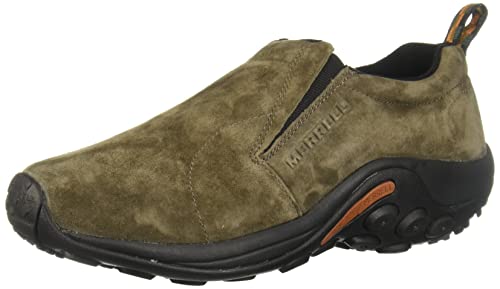
A suede leather upper and stretch gore give this slip-on a more casual walking profile than the waterproof trail-oriented choices. Merrell describes its M Select Grip outsole as providing traction, and the EVA midsole and heel air cushion add cushioning and stability features. The NXT-lined footbed cover is intended to help with odor, and wide widths are available. No waterproof construction or hiking-specific protection is included among its features, so this is a better fit for everyday walks and easier paths than wet or demanding trails.
Bottom line: Pick this for casual walks and easy paths rather than wet, rugged hiking.
Skechers Oak Canyon Consistent Winne

A roomy toe and forefoot fit distinguish this casual outdoor sneaker, while the hands-free slip-in design uses a Heel Pillow to help hold the foot in place. Skechers lists an Air-Cooled Memory Foam insole and a flexible high-traction outsole, along with a suede, synthetic and mesh upper. Those features suit everyday wear and varied low-key outings. The available features do not establish waterproof protection or hiking-specific construction, so consider another option for wet trails or routes where trail-focused protection is needed.
Bottom line: Choose this for a roomy casual shoe and easy everyday entry.
How to choose men’s slip-on hiking shoes
Match the shoe’s protection to the route: a light trail shoe can suit packed paths, while wet, cold or rocky terrain calls for more specific protection. Waterproof fabric or a membrane helps limit water entry, but it does not by itself establish a shoe’s ankle support or performance in deep water. Insulation such as 200g Thinsulate is intended for cold conditions and may feel overly warm on mild hikes. For occasional dirt paths, prioritize secure fit and outsole grip; for technical or steep trails, choose a laced hiking shoe designed for that terrain.
Outsole descriptions are not a substitute for checking terrain suitability. Loose gravel, mud and wet rock demand different tread behavior, and no outsole guarantees grip on every surface.
Slip-on hiking shoe fit and security
A slip-on needs to stay on your foot without pinching: check heel hold, toe room and whether the upper can secure your foot on descents. Try shoes with the socks you plan to hike in, and walk down a slope or ramp if possible; toes pressing the front indicate the fit may be too short or loose at the heel. Wide-width availability matters when the forefoot feels compressed, but a wider shoe should still hold the heel securely.
Slip-ons lack the adjustable lacing of conventional hiking shoes, so they offer less ability to fine-tune fit over uneven ground. For steep trails, heavy packs or ankle support needs, choose a laced model instead.
Waterproofing, warmth and traction
Waterproof fabrics and membranes help block external moisture, while breathable panels can promote airflow; these goals can trade off in warm conditions. Insulation is a separate feature: 200g Thinsulate is a winter-oriented amount, not a measure of waterproofing. Keep those functions separate when selecting a shoe for changing weather.
Use this quick route-to-feature guide to narrow the type before choosing:
| Route or condition | Prioritize |
|---|---|
| Dry, packed path | Secure fit and light construction |
| Wet path | Waterproof fabric or membrane |
| Cold walk | Insulation and a warm lining |
| Steep or rugged trail | Laced hiking footwear with terrain-specific support |
Rubber traction can help on varied surfaces, but wet ice remains especially hazardous; slow down and use footwear made for the conditions rather than relying on an outsole claim alone.
When to choose a different hiking shoe type
Choose a traditional laced hiking shoe when the route is steep, rocky or long enough that you need precise adjustment and a more secure fit. Slip-on construction prioritizes fast entry, but it limits how much you can tighten the upper as your feet swell or terrain changes. A winter boot is a distinct choice for cold outings: insulation and fleece lining add warmth but may be uncomfortable during mild-weather hikes.
For walks on sidewalks, park paths and other easy surfaces, casual slip-ons may be sufficient if they fit securely. For routes with deep mud, frequent stream crossings or sharp rocks, verify the footwear’s intended protection and select a shoe or boot designed for those demands.
Frequently Asked Questions
Are slip-on shoes suitable for hiking trails?
Slip-ons can work for short, light hikes on packed paths if the heel stays secure and the outsole suits the ground. Steep or rocky trails favor laced hiking shoes, which allow more fit adjustment.
Do waterproof slip-on hiking shoes keep feet dry?
Waterproof fabric or a membrane helps block moisture, but it does not guarantee dryness during deep-water immersion or water entering over the collar. For wet routes, consider water depth and how high the shoe covers the foot.
Are insulated hiking shoes too warm for summer?
A winter-oriented lining such as 200g Thinsulate can feel too warm in mild or hot weather. Choose an uninsulated, breathable option for warm hikes.
How should men’s hiking shoes fit at the toes?
Leave room for toes to move without letting the heel lift excessively. Test the fit with hiking socks and on a decline; toe contact at the front signals a fit problem.