
Heat Resistant Glue for Plastic: 4 Options Compared

For a heat-resistant adhesive that names plastic as a bonding surface, choose Super Glue All-Purpose Gel; its features say it works on plastic, though they give no temperature limit. Choose Stnkeno High Temp Silicone Sealant, INNOVAYOU 100ml Clear Oven Glue or High Temp Silicone Sealant, 100 ml instead when you need a flexible silicone sealant for an appliance gap, rather than an instant repair adhesive.
We earn a commission if you buy through links on this page. As an Amazon Associate I earn from qualifying purchases. Products are compared on manufacturer specifications, not hands-on testing.
- Best overall: Super Glue All-Purpose Gel – Its features specifically name plastic and describe a clear, fast-setting gel.
- Best for high claimed heat: Stnkeno High Temp Silicone Sealant – Its features give the highest maximum temperature claim among these options.
- Best for heat cycles: High Temp Silicone Sealant, 100 ml – Its features distinguish continuous and intermittent temperature limits and say the sealant stays flexible.
| Product | Best for | Adhesive type | Claimed temperature range | Package size | Shop |
|---|---|---|---|---|---|
| Super Glue All-Purpose Gel | Plastic spot repairs | Instant adhesive gel | No numeric range | 1.76 fl oz | Check Price on Amazon |
| Stnkeno High Temp Silicone Sealant | High-heat sealing | Silicone sealant | -58°F to 1,022°F | 3.53 fl oz | Check Price on Amazon |
| INNOVAYOU 100ml Clear Oven Glue | Appliance gap filling | Silicone adhesive | -76°F to 572°F | 100 ml | Check Price on Amazon |
| High Temp Silicone Sealant, 100 ml | Repeated heat cycles | Neutral-cure RTV silicone | -58°F to 662°F | 100 ml | Check Price on Amazon |
Heat Resistant Glue for Plastic
Compare the adhesive types and temperature claims to match the product to the repair surface and heat exposure.
Super Glue All-Purpose Gel
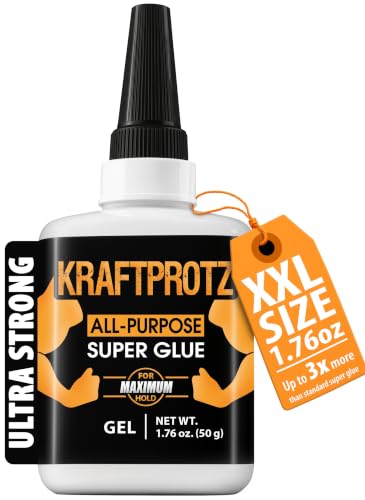
Unlike the silicone sealants here, this instant gel specifically names plastic among its intended materials. The features describe a clear-drying formula, precision tip and anti-clog cap, making it a fit for small household repairs where controlled application matters. The product also claims waterproof and heat-resistant properties, but gives no temperature limit; avoid choosing it for a repair exposed to a known high temperature unless the maker confirms the limit and plastic compatibility. A gel is a different job from a flexible sealant used to close a gap.
Bottom line: Choose this for small plastic repairs when you do not need a documented temperature limit.
Stnkeno High Temp Silicone Sealant

This silicone sealant has the broadest claimed temperature span among these products, from -58°F to 1,022°F. The features emphasize flexible bonding and sealing against moisture and smoke, with suggested settings including ovens and fireplaces. That makes it a better match for closing a heat-exposed gap than for a small, rigid plastic repair. The specifications do not identify compatible plastic types, so confirm the material can tolerate both the sealant and the service temperature before use; its high-temperature claim alone does not establish plastic compatibility.
Bottom line: Choose this for heat-exposed sealing when its claimed range matches the application.
INNOVAYOU 100ml Clear Oven Glue

This clear silicone adhesive is aimed at high-temperature electrical equipment and gap filling, with a pointed nozzle for applying it into narrow spaces. Its features claim a temperature range of -76°F to 572°F and mention ovens, grills and microwaves. Unlike the instant gel, the product is positioned as a sealant-style adhesive rather than a general plastic repair glue.
Bottom line: Choose this for narrow appliance gaps when the surfaces and temperature are compatible.
High Temp Silicone Sealant, 100 ml

This neutral-cure RTV silicone separates continuous heat exposure from short intermittent peaks: its features claim 500°F continuous service and up to 662°F intermittently. They also say it stays flexible through heat cycles and bonds to glass, metal and enamel. Those traits point to sealing appliance surfaces, not a general-purpose plastic bond. Its package is 100 ml, smaller than the 3.53 fl oz size of Stnkeno High Temp Silicone Sealant.
Bottom line: Choose this for a flexible appliance seal when its continuous and peak limits suit the job.
How to choose heat resistant glue for plastic
Start with the plastic type and the hottest temperature the joint will actually reach; a heat rating for an adhesive does not mean every plastic substrate can withstand that temperature. Resin identification codes 1 through 7 identify broad plastic families, but they do not guarantee a specific grade’s heat limit or bondability. For a small rigid repair, an instant adhesive is a different category from a flexible silicone sealant designed to close a gap. If the repair will exceed 200°F, verify both the adhesive’s continuous-use limit and the plastic manufacturer’s service limit before choosing. A product with no numeric temperature claim is not a safe choice for a known hot environment without confirmation.
Silicone sealant versus instant glue
Silicone sealants form a flexible bead that can bridge a joint or gap, while instant adhesives are generally selected for close-fitting surfaces and small repairs. That difference matters: a sealant can accommodate movement, but a thick, flexible bead is not interchangeable with a rigid spot bond. The silicone products here focus on appliance sealing and temperature claims; only Super Glue All-Purpose Gel specifically names plastic in its features. A practical rule is to select a sealant for a gap wider than a thin film, and an instant adhesive for closely mating parts only when its material compatibility is confirmed. Neither label alone establishes that the finished assembly can bear a load.
Match heat ratings to real exposure
Continuous temperature and intermittent peak temperature are different limits; a brief hot spike does not establish that an adhesive can stay hot all day. Product claims may also describe the adhesive itself rather than the weakest part of the assembly, which can be the plastic or the joint. Use the lowest relevant limit among the adhesive, plastic and surrounding component. For example, High Temp Silicone Sealant, 100 ml distinguishes a 500°F continuous claim from a 662°F intermittent claim, while the other silicone products provide a single broad range. If the repair is near an oven, grill or microwave, measure or confirm the surface temperature instead of assuming it equals the appliance’s internal air temperature.
Prepare plastic surfaces and use safely
Clean, dry surfaces help adhesives make consistent contact; grease, dust and mold-release residue can interfere with bonding. Test on an inconspicuous area first, especially on clear or finished plastics, because solvents and adhesive chemistry can cause clouding, stress cracking or surface damage. Apply only enough product to cover the intended joint, and keep uncured material away from skin and eyes; ventilation is prudent when using adhesive indoors. Do not return an appliance to service until the adhesive has fully cured according to its package directions. A temperature claim does not mean an uncured product is safe to heat, and repairs to electrical equipment should not obstruct vents or insulation.
Frequently Asked Questions
Can silicone sealant bond every type of plastic?
No; plastics differ in surface energy and heat tolerance, so a sealant that bonds one type may not adhere reliably to another. Confirm compatibility with the specific resin and test a hidden area before committing to a repair.
Does heat resistant glue mean the plastic stays safe?
No; the plastic can soften or deform before the adhesive reaches its own temperature limit. Keep the repair below the lower of the plastic’s service limit and the adhesive’s continuous-use limit.
How long should an adhesive cure before heating?
Cure time depends on chemistry, bead thickness, humidity and temperature, so use the package cure time rather than relying on a surface that feels dry. For a product that claims a 24-hour full cure, allow that full period before heat exposure.
Can I use instant glue to fill a plastic gap?
Instant glue is generally better suited to closely fitting surfaces than to filling a wide gap. For a visible gap or joint that moves, use a compatible flexible sealant and confirm that the plastic tolerates the service heat.
Should plastic glue be used inside a microwave?
Only use an adhesive confirmed suitable for the exact location and exposure; surfaces near the cooking cavity may face heat, moisture and food-contact concerns. Never apply an adhesive where it can contact food or obstruct appliance openings.