
Skratch Labs Energy Chews: Packs Compared by Use

For a dedicated chew option, choose Skratch Labs Energy Chews Mixed Fruit if you want the 30-serving mixed fruit pack; each serving provides 19 grams of carbohydrates. Pick Skratch Labs Energy Chews Variety Pack instead if you want a 10-pack variety pack, while Skratch Labs Sports Nutrition Sample Pack and Skratch Labs Energy Bars Variety Pack suit shoppers seeking a broader sample or a bar rather than chews.
Energy chews are portable carbohydrate fuel for exercise; plan portions around workout duration and your ability to chew while moving.
We earn a commission if you buy through links on this page. As an Amazon Associate I earn from qualifying purchases. Products are compared on manufacturer specifications, not hands-on testing.
- Best overall: Skratch Labs Energy Chews Mixed Fruit – The mixed fruit pack offers 30 servings, each with 19 grams of carbohydrates.
- Best for variety: Skratch Labs Energy Chews Variety Pack – The 10-pack is a variety pack for trying multiple chew options.
- Best for sampling: Skratch Labs Sports Nutrition Sample Pack – The sample pack combines chews with drink mixes and recovery mix.
- Best for bar fuel: Skratch Labs Energy Bars Variety Pack – The 12-bar variety pack is a plant-based real-food option instead of chews.
| Product | Best for | Format | Pack size | Carbohydrates per serving | Shop |
|---|---|---|---|---|---|
| Skratch Labs Energy Chews Mixed Fruit | Bulk chew supply | Energy chews | 30 servings | 19 g | Check Price on Amazon |
| Skratch Labs Energy Chews Variety Pack | Variety pack | Energy chews | 10 packs | 19 g | Check Price on Amazon |
| Skratch Labs Sports Nutrition Sample Pack | Mixed fuel trial | Nutrition sample pack | — | — | Check Price on Amazon |
| Skratch Labs Energy Bars Variety Pack | Bar-style fuel | Energy bars | 12 bars | — | Check Price on Amazon |
Skratch Labs Energy Chews and Related Fuel
Compare the dedicated chew packs with adjacent Skratch Labs formats by how you plan to fuel.
Skratch Labs Energy Chews Mixed Fruit

For a dedicated supply rather than a trial assortment, this mixed fruit pack contains 30 servings. Each serving provides 19 grams of carbohydrates from glucose and fructose, which the maker presents as quick-absorbing energy for running, cycling, hiking and long workouts. The soft chew format suits athletes who prefer chewable fuel to gels. The larger serving count can fit a regular training routine, but this pack is less suited to someone who wants to sample multiple flavors or needs a single compact pack for an outing.
Bottom line: Choose this if you want a larger supply of chewable workout fuel.
Skratch Labs Energy Chews Variety Pack

For trying a variety rather than committing to a single mixed fruit pack, this option comes as 10 individual packs. The maker says the chews provide 19 grams of carbohydrates from glucose and fructose per serving and are intended for endurance activities. Their portable format can be useful for carrying fuel on a run or ride, while the smaller total pack count makes this a different fit from the 30-serving option. Choose it if flavor variety and pre-portioned packs matter more than a large supply.
Bottom line: Choose this if you want an assortment in portable packs.
Skratch Labs Sports Nutrition Sample Pack
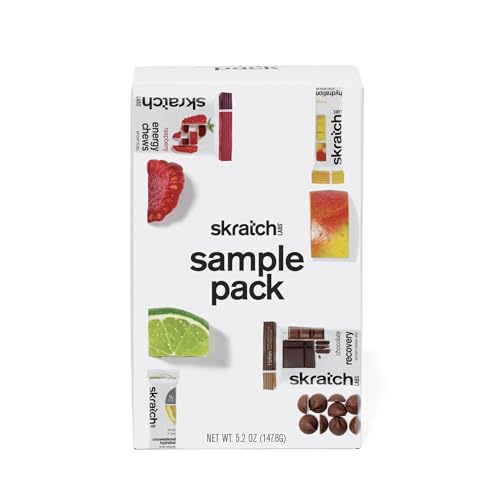
Unlike a chew-only purchase, this sample pack brings together several kinds of sports nutrition: drink mix, unsweetened electrolyte mix, energy chews and recovery mix. That combination suits someone who wants to explore Skratch Labs products across hydration and workout fueling rather than stock up on a specific chew flavor. The pack includes chews, but the maker does not establish their serving count or carbohydrate amount, so it is harder to plan a precise fueling schedule from this choice alone.
Bottom line: Choose this if you want to sample several sports nutrition formats.
Skratch Labs Energy Bars Variety Pack

For athletes who prefer substantial bar-style fuel, this variety pack contains 12 plant-based energy bars rather than chew portions. The maker describes the bars as real-food fuel and gives a sugar range of 9–11 grams per serving. Bars can be easier to treat as a planned snack before or during longer outings, but they are not a direct substitute for the chew format when you want quick, small bites. This option is best for buyers specifically seeking bars, not a supply of energy chews.
Bottom line: Choose this if you want plant-based bars instead of chews.
How to choose energy chews for endurance
Use workout duration and carbohydrate need to decide whether chews can cover your fuel plan. A common starting range for endurance exercise is 30–60 grams of carbohydrate per hour; longer events lasting over about 2.5 hours may call for up to 90 grams per hour when practiced and tolerated. A 19-gram serving can contribute to that target, but it is not automatically a full hour of fuel. For a session under an hour, many athletes can rely on normal meals and water rather than bringing carbohydrate fuel. Choose a format you can open and chew without disrupting pace or handling.
How to plan portions and timing
Begin fueling early in a long session instead of waiting until you feel depleted. For a workout lasting more than 60–90 minutes, divide your planned hourly carbohydrate target across regular intervals; for example, 30 grams per hour is about one and a half 19-gram servings. Practice the same schedule during training, because tolerance varies and a sudden high intake can upset the stomach. Chews require chewing, so take them when breathing and pace allow safe swallowing; do not eat while sprinting or navigating traffic. Pair carbohydrate intake with fluid according to thirst and conditions, rather than assuming chews replace hydration.
Chews, drink mixes, sample packs and bars
Chews are compact bites of carbohydrate, while sports drink mixes can provide fluid and electrolytes alongside energy, and bars offer a more substantial food format. A useful choice depends on the activity and what can be carried and consumed comfortably. Use this guide to match the format to the need.
| Need | Format to consider | Reason |
|---|---|---|
| Small chewable carb portions | Energy chews | Portable bites for exercise |
| Explore multiple nutrition formats | Sample pack | Includes drink mixes, chews and recovery mix |
| More substantial fuel | Energy bars | Bar format rather than chew portions |
Do not compare formats by package count alone: serving sizes and carbohydrate totals can differ.
Chewing and fueling safety during exercise
Chew only when you can swallow safely and maintain awareness of your surroundings. During running or cycling, stop or slow down in a safe place if breathing hard, navigating obstacles or riding in traffic makes eating distracting. Use small portions and practice while training before relying on a schedule in an event. For long or hot workouts, carbohydrate fuel does not replace fluid; dehydration and overdrinking can both be dangerous, so use thirst, conditions and a practiced plan. People with diabetes or a condition affected by carbohydrate intake should follow an individualized plan from their clinician rather than general sports-fueling targets.
Frequently Asked Questions
How many carbohydrates are in a serving of Skratch Labs chews?
The chew packs provide 19 grams of carbohydrates per serving, according to the product features. That is a portion of a typical endurance target of 30–60 grams per hour, not necessarily a complete hourly amount.
When should I start eating chews during a long workout?
For sessions longer than about 60–90 minutes, start fueling early and take planned portions at regular intervals. Practicing the timing during training helps you find an intake your stomach tolerates.
Can energy chews replace water during a run?
No; carbohydrate chews are fuel, not a replacement for fluid. For longer or hot sessions, plan hydration separately using thirst, weather and your practiced routine.
Are bars or chews easier to use while moving?
Chews provide small bite-sized portions, while bars are a more substantial food format. Either requires safe chewing, so slow down or stop if breathing, terrain or traffic makes eating distracting.
How much carbohydrate should I aim for per hour?
A common endurance starting range is 30–60 grams per hour, with up to 90 grams per hour sometimes used for events longer than about 2.5 hours. Build toward higher intake gradually and practice it in training.