
Burris Fullfield IV: 5 Models Compared by Fit

The Burris Fullfield IV scope that suits most buyers here is Burris Fullfield IV 3-12x42mm SC, because its 3-12x range pairs a useful span of magnification with a 42mm objective and Ballistic E3 reticle. Choose Burris Fullfield IV 4-16x50mm PA AC for a higher 16x top end, or an illuminated option if reticle lighting is a priority.
These five models share the Fullfield IV name, but their magnification, objective diameter and reticle features differ; confirm the reticle and tube compatibility your rifle setup requires before ordering.
We earn a commission if you buy through links on this page. As an Amazon Associate I earn from qualifying purchases. Products are compared on manufacturer specifications, not hands-on testing.
- Best overall: Burris Fullfield IV 3-12x42mm SC – The 3-12x42mm configuration combines a versatile magnification range with a Ballistic E3 reticle.
- Best for higher magnification: Burris Fullfield IV 4-16x50mm PA AC – Its 4-16x range reaches 16x, the highest maximum magnification in this group.
- Best for illuminated reticle: Burris Fullfield IV 2.5-10x42mm Illum. SC – Its 2.5-10x42mm configuration has an illuminated Ballistic E3 reticle.
- Best for large objective: Burris Fullfield IV 3-12x56mm Illum. SC – The 56mm objective is the largest in this group, and its reticle is illuminated.
| Product | Best for | Magnification | Objective diameter | Reticle | Shop |
|---|---|---|---|---|---|
| Burris Fullfield IV 3-12x42mm SC | Versatile magnification | 3-12x | 42 mm | Ballistic E3 | Check Price on Amazon |
| Burris Fullfield IV 4-16x50mm PA AC | Higher magnification | 4-16x | 50 mm | Reticle varies | Check Price on Amazon |
| Burris Fullfield IV 2.5-10x42mm SC | Unilluminated 2.5-10x | 2.5-10x | 42 mm | Reticle varies | Check Price on Amazon |
| Burris Fullfield IV 2.5-10x42mm Illum. SC | Illuminated 2.5-10x | 2.5-10x | 42 mm | Illuminated Ballistic E3 | Check Price on Amazon |
| Burris Fullfield IV 3-12x56mm Illum. SC | Large objective | 3-12x | 56 mm | Illuminated 3P No. 4 | Check Price on Amazon |
Burris Fullfield IV Riflescopes Compared
Compare the magnification range, objective size and reticle features to match a scope to your intended setup.
Burris Fullfield IV 3-12x42mm SC

Burris Fullfield IV 3-12x42mm SC is the most balanced configuration in this group, with 3-12x magnification and a 42mm objective. It uses a rear focal plane Ballistic E3 reticle and weighs 14.7 oz; its length is 11.1 inches. Burris says the Fullfield IV line uses multi-coated lenses intended to reduce glare and support low-light viewing. This model suits buyers who want more top-end magnification than a 2.5-10x scope without moving to 4-16x.
Bottom line: Choose this if you want a 3-12x range and Ballistic E3 reticle.
Burris Fullfield IV 4-16x50mm PA AC
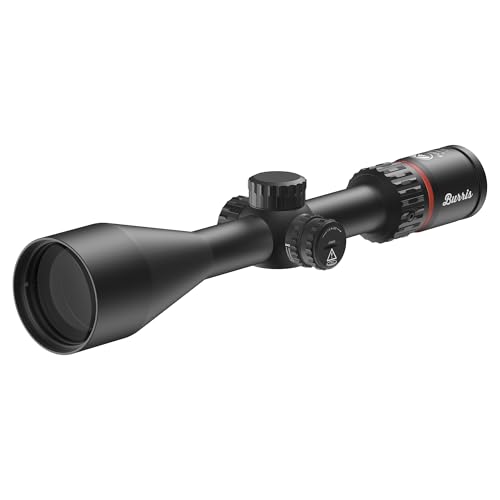
Burris Fullfield IV 4-16x50mm PA AC reaches 16x, the highest maximum magnification among these choices, and pairs that range with a 50mm objective. The specifications identify the reticle only as one of the line’s varied options, so the exact reticle should guide the decision rather than assuming a particular pattern or illumination. Burris says the Fullfield IV zoom system is designed to provide a wide view at lower magnification and easier target acquisition at higher power. This scope suits a buyer prioritizing reach over a lower starting magnification. It begins at 4x, so it is less suited to close-range viewing than the 2.5-10x models.
Bottom line: Pick this for the group’s highest maximum magnification.
Burris Fullfield IV 2.5-10x42mm SC

Burris Fullfield IV 2.5-10x42mm SC has the lowest starting magnification in this group at 2.5x and pairs it with a 42mm objective. Burris says its multi-coated lenses are intended to reduce glare and enhance low-light performance. This configuration suits buyers who want a lower-power starting point and do not need an explicitly illuminated reticle. The tradeoff is a 10x maximum, below the 12x and 16x tops available elsewhere in this group.
Bottom line: Choose this for a 2.5x low end without an illumination feature.
Burris Fullfield IV 2.5-10x42mm Illum. SC
Burris Fullfield IV 2.5-10x42mm Illum. SC combines the lower 2.5x starting magnification with an illuminated Ballistic E3 reticle, unlike the otherwise similar non-illuminated 2.5-10x42mm option. Its 42mm objective keeps the configuration aligned with that model while the reticle illumination is the key distinction. Burris says the Fullfield IV line offers both illuminated and non-illuminated reticle choices. This scope suits buyers who specifically want reticle lighting at a 2.5-10x range. Illumination does not increase the maximum power, so choose one of the 3-12x or 4-16x scopes if reaching higher magnification matters more.
Bottom line: Pick this if illuminated aiming at 2.5-10x is the priority.
Burris Fullfield IV 3-12x56mm Illum. SC
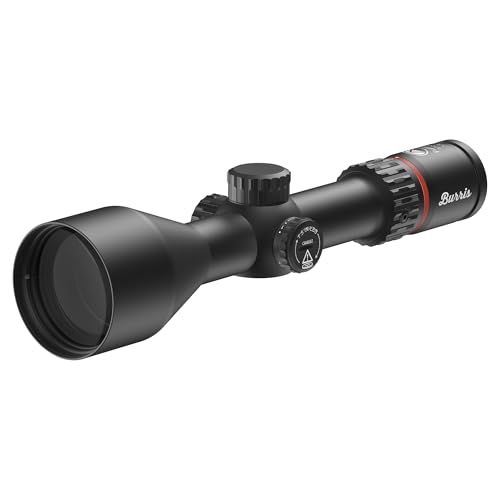
Burris Fullfield IV 3-12x56mm Illum. SC stands apart with a 56mm objective, the largest in this group, while retaining a 3-12x magnification range. It has an illuminated 3P No. 4 reticle in the rear focal plane and a 30mm tube. Burris says multi-coated lenses support low-light performance, but a large objective does not by itself guarantee a brighter view; glass, coatings and viewing conditions also matter. This configuration suits buyers who specifically want the 56mm objective and illuminated reticle. Its tube diameter is an important mount-fit constraint, so confirm that your rings accept 30mm before choosing it.
Bottom line: Choose this for the 56mm objective, illuminated reticle and compatible 30mm rings.
How to choose a Fullfield IV magnification range
Choose a magnification range based on the distance and field of view you need, not just the highest number. These options span 2.5-10x, 3-12x and 4-16x; their maximum powers are 10x, 12x and 16x. Higher magnification narrows the visible field and makes image movement more apparent, so a 16x top end is not automatically the right choice for every setup. A practical rule: if a 10x maximum covers your intended use, prioritize objective and reticle fit rather than selecting 16x solely for its number. The product names distinguish these ranges, while the exact reticle can change between configurations.
Objective size and mounting fit
Objective diameter affects scope clearance and mounting height: these models use 42mm, 50mm or 56mm objectives. A larger objective can require higher rings to clear the barrel, which may make a comfortable cheek weld harder to maintain. The 56mm configuration also specifies a 30mm tube, a separate dimension from its objective diameter; rings must match the tube. Before choosing, compare the scope’s objective bell clearance with the rifle and confirm the ring tube diameter. The maker gives the 30mm tube only for Burris Fullfield IV 3-12x56mm Illum. SC, so verify tube size for any setup where ring compatibility is critical.
Reticle and illumination differences
Reticle choice affects how a scope presents aiming references, and illumination is a separate feature from the reticle pattern. The group includes Ballistic E3 variants, an illuminated 3P No. 4 variant, and models whose exact pattern is not identified. Burris describes the Fullfield IV family as offering simple Plex and more advanced MOA- or BDC-based choices, with or without illumination. A rear focal plane reticle stays the same apparent size as magnification changes, unlike a first focal plane reticle. Use the model-specific reticle identification for a precise match; do not assume all Fullfield IV options share one pattern or illumination capability.
| Need | Configuration to compare | Deciding feature |
|---|---|---|
| Highest magnification | 4-16x50mm | 16x maximum |
| Illuminated 2.5-10x | 2.5-10x42mm Illum. | Ballistic E3 illumination |
| Largest objective | 3-12x56mm Illum. | 56mm objective and 30mm tube |
Low-light claims and practical limits
A larger objective and coated lenses can influence light transmission, but neither guarantees a brighter sight picture in every condition. Burris says the Fullfield IV’s multi-coated lenses reduce glare and enhance low-light performance; actual viewing also depends on glass quality, exit pupil, eye condition and ambient light. Exit pupil is objective diameter divided by magnification: for example, a 42mm objective at 10x gives 4.2mm, while the same objective at 2.5x gives 16.8mm. The eye may not use all of a very large exit pupil in bright conditions. Compare the intended magnification and objective together rather than treating objective diameter alone as a brightness score.
Frequently Asked Questions
What does 4-16x mean on a riflescope?
The numbers indicate variable magnification from 4x to 16x. At 16x, the view is more magnified but typically narrower and more sensitive to movement than at 4x.
Does a 56mm objective make a scope brighter?
Not by itself. A 56mm objective can provide a larger exit pupil at a given magnification, but coatings, glass and ambient light also affect the view.
What is a rear focal plane reticle?
A rear focal plane reticle appears the same size as magnification changes. Its subtensions do not remain constant across the zoom range, so use the calibrated magnification when applying reticle references.
Will a 30mm tube fit 1-inch scope rings?
No; a 30mm tube requires rings sized for a 30mm scope tube. Tube diameter is distinct from objective diameter, so check both ring fit and objective clearance.
How do I compare scope exit pupils?
Divide objective diameter in millimeters by magnification to get exit pupil in millimeters. A 42mm objective at 10x yields 4.2mm, while at 2.5x it yields 16.8mm.