
Dwarf Grass Seed: 5 Blends Compared by Lawn Fit

For a lower-maintenance lawn in zones 4 through 7, No Mow Dwarf Fine Fescue Mix, 1 lb is the closest match because it is a dwarf fine fescue mix. Choose a different blend if you need seed for dense shade, hot conditions, or temporary winter color; those products target other growing conditions and purposes.
Fine fescue is a group of cool-season grasses often used where a less intensively managed lawn is wanted. Match the seed to your climate, sunlight, and whether you want permanent turf or temporary cover.
We earn a commission if you buy through links on this page. As an Amazon Associate I earn from qualifying purchases. Products are compared on manufacturer specifications, not hands-on testing.
- Best overall: No Mow Dwarf Fine Fescue Mix, 1 lb – The dwarf fine fescue mix is specifically intended for a lower-maintenance lawn in zones 4 through 7.
- Best for dense shade: Pennington Smart Seed Dense Shade Mix, 7 lb – The mix is designed for areas receiving 2 to 6 hours of sunlight daily.
- Best for winter color: Pennington Annual Ryegrass, 10 lb – Annual ryegrass is intended for temporary winter overseeding and claims results in 3 to 7 days.
| Product | Best for | Seed type | Intended use | Sunlight / climate | Shop |
|---|---|---|---|---|---|
| No Mow Dwarf Fine Fescue Mix, 1 lb | Lower-maintenance lawns | Dwarf fine fescue | Lower-maintenance lawn | Zones 4–7 | Check Price on Amazon |
| Pennington Smart Seed Dense Shade Mix, 7 lb | Shaded lawns | Tall fescue, ryegrass, bluegrass | New lawns or overseeding | 2–6 hours sunlight | Check Price on Amazon |
| Jonathan Green Black Beauty Heat & Drought, 3 lb | Hot, sunny lawns | Tall fescue, Texas bluegrass | Heat- and drought-oriented lawn | Full sun to light shade | Check Price on Amazon |
| Pennington Annual Ryegrass, 10 lb | Temporary winter cover | Annual ryegrass | Winter overseeding / temporary support | 6–8 hours full sun | Check Price on Amazon |
| Jonathan Green Blue Panther Southern Lawn, 3 lb | Southern lawns | Bermudagrass, Texas bluegrass, tall fescue | Southern and transitional lawns | Southern / transitional climates | Check Price on Amazon |
Dwarf Grass Seed and Related Lawn Blends
Compare the seed types and intended growing conditions before choosing a blend for permanent turf, shade, heat, or seasonal cover.
No Mow Dwarf Fine Fescue Mix, 1 lb

Unlike the other options, No Mow Dwarf Fine Fescue Mix, 1 lb is specifically a dwarf fine fescue mix for a lower-maintenance lawn. The maker says established grass is drought tolerant and develops deep roots; the intended zone range is 4 through 7. It suits buyers who want a fine fescue lawn rather than a seasonal overseeding grass or a blend selected for shade or heat. The main limitation is the narrow stated zone range, so gardeners outside zones 4–7 should choose a seed suited to their region. Fine fescue still needs suitable establishment conditions and care while young.
Bottom line: Choose it for a lower-maintenance fine fescue lawn in zones 4 through 7.
Pennington Smart Seed Dense Shade Mix, 7 lb
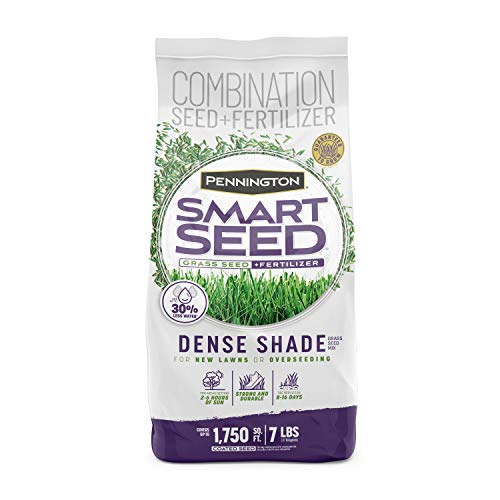
For a lawn with limited sunlight, Pennington Smart Seed Dense Shade Mix, 7 lb is the shade-oriented alternative; unlike the dwarf fescue mix, its purpose is to establish or overseed grass in heavily shaded areas. Its blend includes tall fescue, perennial ryegrass, and Kentucky bluegrass, and it is intended for 2 to 6 hours of daily sunlight. The built-in fertilizer coating is part of the seed, and the maker says established grass is more drought tolerant than ordinary grass seed. This is not identified as a dwarf mix, so it is a weaker match if reduced mowing height is the priority. Planting is recommended in spring or fall at average daily temperatures of 60°F to 80°F.
Bottom line: Choose it when limited sunlight, rather than dwarf growth, is the main concern.
Jonathan Green Black Beauty Heat & Drought, 3 lb

For hot conditions, Jonathan Green Black Beauty Heat & Drought, 3 lb offers a tall-fescue and Texas bluegrass blend rather than the dwarf fine fescue sought for lower mowing needs. The maker says it tolerates heat up to 100°F and has a waxy leaf coating that limits moisture loss. It is intended for full sun to light shade, making it a possible fit where warmth and sun exposure are the deciding factors. The maker also describes roots reaching up to 4 feet. This blend is not presented as dwarf grass seed, so choose it only if its heat-oriented purpose matters more than the dwarf characteristic.
Bottom line: Choose it for a heat-oriented lawn where dwarf growth is not essential.
Pennington Annual Ryegrass, 10 lb

Unlike the permanent-lawn focus of dwarf fine fescue, Pennington Annual Ryegrass, 10 lb is annual ryegrass intended for temporary color and support. The maker recommends it for winter overseeding of southern lawns, including Bermuda and Zoysia, and says it can also support thin northern lawns temporarily. It calls for 6 to 8 hours of full sun and claims results in 3 to 7 days. That quick seasonal role is useful when winter appearance is the goal, but annual ryegrass is not a dwarf, permanent fine fescue replacement. Consider whether temporary coverage matches your lawn plan before choosing it.
Bottom line: Choose it for temporary winter cover, not a permanent dwarf lawn.
Jonathan Green Blue Panther Southern Lawn, 3 lb

For southern and transitional climates, Jonathan Green Blue Panther Southern Lawn, 3 lb combines Bermudagrass with Texas bluegrass and tall fescue, unlike the single-purpose dwarf fine fescue option. The maker says Bermudagrass thrives in summer heat while the bluegrass and fescue grow in winter, and describes the resulting turf as dark green and able to withstand high traffic. This makes the blend relevant where seasonal conditions and traffic matter more than a dwarf growth habit.
Bottom line: Choose it for a southern or transitional lawn where seasonal blend composition matters.
How to Choose Dwarf Grass Seed
Choose by climate zone and lawn purpose first, then compare sunlight and maintenance goals. Cool-season grasses such as fine fescue are commonly used in northern and transitional lawns; warm-season grasses such as Bermudagrass are suited to hotter regions and are typically planted as soil warms. A seed blend may combine species to cover different conditions, but that does not make it a dwarf mix. The practical rule here is straightforward: if you want the lower-maintenance dwarf fine fescue and your lawn is in zones 4–7, No Mow Dwarf Fine Fescue Mix, 1 lb is the direct fit; if your main issue is shade or winter coverage, use a blend intended for that condition instead. Check the seed label’s regional and site guidance before sowing, especially when your lawn lies near a climate transition.
Match Grass Seed to Sunlight and Season
Measure direct sunlight in the area you plan to seed; shade can vary across a single lawn as trees and buildings block light. The dense-shade mix targets 2 to 6 hours of daily sunlight, while the annual ryegrass option calls for 6 to 8 hours of full sun. Spring and fall are common establishment windows for cool-season lawns because moderate temperatures reduce stress on seedlings; the shade blend gives a specific planting range of 60°F to 80°F average daily temperatures. Annual ryegrass serves a different seasonal role: it is used as temporary winter cover in southern lawns, including warm-season Bermuda and Zoysia. Do not treat temporary winter color as a permanent lawn renovation.
Understand Fine Fescue, Ryegrass, and Warm-Season Blends
Fine fescues are cool-season grasses, while annual ryegrass is a short-lived seasonal cover and Bermudagrass is a warm-season turf grass. Those distinctions determine whether a seed is intended to form a continuing lawn, bridge a dormant season, or target hotter conditions. Use this table to match the broad seed role to the lawn need; it does not replace checking regional suitability or the product’s actual blend.
| Seed role | Typical use | Decision cue |
|---|---|---|
| Fine fescue | Lower-maintenance cool-season lawn | Match climate and desired mowing needs |
| Annual ryegrass | Temporary seasonal cover | Use when a seasonal bridge is wanted |
| Warm-season blend | Hot-region turf | Check local climate and sunlight |
A product name or mix purpose matters more than a general claim that a grass is drought tolerant: establishment requirements and the right season still apply.
Prepare and Establish a New Lawn
Seed-to-soil contact is essential: loosen the surface, spread seed evenly, and avoid burying small grass seed under a deep layer of soil. Keep the seedbed consistently moist during germination; frequent light watering is generally more useful than one heavy soak that can wash seed into piles. Mow only after seedlings are established and tall enough for the mower setting, removing no more than about one-third of the blade at a time. Keep foot traffic light while the new grass is becoming rooted. For overseeding, cut existing grass short and rake out thatch so seed can reach soil. These basic steps apply across the blends, but timing should match the species and local growing season.
Frequently Asked Questions
Is dwarf fine fescue suitable for zones outside 4 through 7?
The dwarf fine fescue option here is intended for zones 4 through 7. For other zones, choose a grass suited to your region and verify local establishment timing before sowing.
How much sunlight does dense shade grass seed need?
The dense-shade mix is intended for 2 to 6 hours of daily sunlight. If an area gets less direct light, compare site conditions and consider whether turf grass is practical there.
Can annual ryegrass replace a permanent lawn?
Annual ryegrass is intended as temporary cover rather than a permanent dwarf fine fescue lawn. The southern overseeding use is winter color over warm-season grasses such as Bermuda and Zoysia.
When should cool-season grass seed be planted?
Spring and fall are typical planting windows for cool-season grass because moderate temperatures support establishment. For the shade blend, the target is average daily temperatures between 60°F and 80°F.
How often should new grass seed be watered?
Keep the seedbed consistently moist through germination, often with light watering more than once a day in warm or windy weather. Reduce frequency and water more deeply as seedlings root and grow.