
Moisturizers With Ribose, Coconut and Grapeseed Oil

Ribose Revitalizing Cream is the match for a moisturizer combining ribose with fractionated coconut and grapeseed oils; its formula is the deciding difference from the single-ingredient oils. Choose one of Brooklyn Botany Fractionated Coconut Oil, PURA D’OR Organic Fractionated Coconut Oil, Pursonic Fractionated Coconut Oil or Handcraft Blends Organic Fractionated Coconut Oil instead if you want fractionated coconut oil on its own for skin, hair or carrier-oil use.
Fractionated coconut oil is a lightweight liquid oil, while a cream blends ingredients into a leave-on product. The product names identify one combination cream and four standalone oils, not five equivalent moisturizers.
We earn a commission if you buy through links on this page. As an Amazon Associate I earn from qualifying purchases. Products are compared on manufacturer specifications, not hands-on testing.
- Best overall: Ribose Revitalizing Cream – The only option here whose features name ribose, fractionated coconut oil and grapeseed oil together.
- Best for organic oil: PURA D’OR Organic Fractionated Coconut Oil – The features identify it as USDA organic fractionated coconut oil in a 16 fl oz size.
- Best for smaller bottle: Handcraft Blends Organic Fractionated Coconut Oil – Its 8 fl oz size is smaller than the 16 fl oz standalone oils.
| Product | Best for | Product form | Key ingredients | Size | Shop |
|---|---|---|---|---|---|
| Ribose Revitalizing Cream | Three-ingredient cream | Face cream | Ribose, coconut, grapeseed | — | Check Price on Amazon |
| Brooklyn Botany Fractionated Coconut Oil | General carrier oil | Standalone oil | Fractionated coconut | 16 fl oz | Check Price on Amazon |
| PURA D’OR Organic Fractionated Coconut Oil | Organic carrier oil | Standalone oil | Fractionated coconut | 16 fl oz | Check Price on Amazon |
| Pursonic Fractionated Coconut Oil | Unscented oil | Standalone oil | Fractionated coconut | 16 fl oz | Check Price on Amazon |
| Handcraft Blends Organic Fractionated Coconut Oil | Smaller oil bottle | Standalone oil | Fractionated coconut | 8 fl oz | Check Price on Amazon |
Moisturizers With Ribose, Coconut and Grapeseed Oil
Start with the combined cream if you want all three ingredients in one face product; the remaining options are fractionated coconut oils.
Ribose Revitalizing Cream

Unlike the standalone oils, this face cream is the only option whose features name D-ribose, fractionated coconut oil and grapeseed oil together. The maker describes it as a lightweight, fast-absorbing daily moisturizer intended for AM and PM use and makeup or sunscreen layering. Its cream format suits someone seeking the requested combination in a face product rather than blending oils separately.
Bottom line: Pick this if you want ribose and both oils in one face cream.
Brooklyn Botany Fractionated Coconut Oil
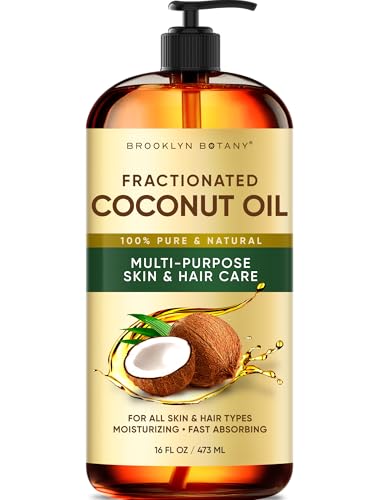
Unlike the combination cream, this is a standalone fractionated coconut oil in a 16 fl oz bottle. Its features describe skin, hair, nail and face moisturizing use, along with carrier-oil and massage uses; they also identify it as expeller pressed and hexane-free. It suits a buyer who wants the coconut oil component alone for a versatile routine. It does not supply the named ribose and grapeseed combination, so it is not a substitute for that ingredient mix.
Bottom line: Choose this for a larger standalone oil with several suggested uses.
PURA D’OR Organic Fractionated Coconut Oil

Unlike the other standalone oils, this option identifies its fractionated coconut oil as USDA organic. The 16 fl oz bottle is described as a carrier oil for essential oils, massage and everyday moisturizing, with hair and scalp use also mentioned. That breadth may suit someone who wants one oil for skin and hair routines. It remains a single-ingredient oil rather than a cream with ribose and grapeseed oil, so choose it only if the standalone format fits your goal.
Bottom line: Choose this when USDA organic identification is a priority.
Pursonic Fractionated Coconut Oil

Unlike the organic-labeled option, this product is identified as a pure, unscented fractionated coconut carrier oil. Its features point to skin and hair care, massage, makeup removal and essential-oil blending, making it a fit for buyers seeking a multipurpose standalone oil. The product is 16 fl oz. It does not include the requested combination of ribose and grapeseed oil, and its oil format is different from a finished face cream.
Bottom line: Choose this if you want an unscented coconut carrier oil for multiple uses.
Handcraft Blends Organic Fractionated Coconut Oil

Unlike the 16 fl oz oils, this organic fractionated coconut oil comes in an 8 fl oz size. Its features describe skin and hair moisturizing, massage, and essential-oil dilution uses, and identify it as fragrance-free, hexane-free and USDA certified. It suits someone who wants a smaller standalone oil container rather than a full face cream. The oil does not provide ribose or grapeseed oil, so it cannot match the three-ingredient cream on its own.
Bottom line: Choose this for an 8 fl oz organic standalone oil.
How to choose a moisturizer with these ingredients
Choose a finished cream when you want the ingredients combined in one face product, and choose a carrier oil when you specifically want standalone fractionated coconut oil. Creams combine water and oil phases with ingredients that help keep them blended; a standalone oil has no water phase and is not the same product format. In this group, only Ribose Revitalizing Cream names ribose, fractionated coconut oil and grapeseed oil together. The other four are fractionated coconut oils, with different stated uses and bottle sizes. If the requested ingredient trio matters, select the cream; if your goal is a carrier oil for massage or essential-oil dilution, compare the standalone oils instead. A product marketed for several body uses is not automatically a face cream.
What fractionated coconut oil does in a skincare routine
Fractionated coconut oil is an emollient oil: it can soften the feel of dry skin by adding an oily layer, but it does not replace water-based hydration in the way a water-containing moisturizer can. Oil and water do not mix without an emulsifier, which is one reason an oil bottle and a cream behave differently. Standalone carrier oils are also used to dilute essential oils, but the right dilution depends on the essential oil and intended use; do not apply an undiluted essential oil to skin. The features for the standalone options describe skin and hair uses, while only the cream is positioned as a daily facial moisturizer. Choose based on format and intended use, not just the word “moisturizing.”
How to compare the available formats
The useful distinction is combined face cream versus single-ingredient carrier oil. This table separates those formats and the size differences given for the oils.
| Need | Product format | Stated size |
|---|---|---|
| Ribose with both oils | Face cream | Size fields conflict |
| Standalone coconut oil, larger bottle | Carrier oil | 16 fl oz |
| Standalone coconut oil, smaller bottle | Carrier oil | 8 fl oz |
Size alone does not establish how long a product will last; that depends on how much you apply and how often you use it. The cream’s title and details give different sizes, so confirm the container size before ordering if that measurement affects your choice.
How to introduce a new facial moisturizer
Patch-test a new leave-on product on a small area of skin before applying it broadly, and stop using it if irritation develops. A 24- to 48-hour observation period is a practical way to watch for delayed irritation, though it cannot guarantee that a product will suit every user. Apply a small amount first, especially when layering with sunscreen or makeup, since the feel and finish can vary by formula. Avoid applying cosmetic oils near the eyes or to broken skin unless the product is intended for that use. The feature claims about softness or appearance are not a substitute for checking the full ingredient label if you have a known sensitivity.
Frequently Asked Questions
Can I use fractionated coconut oil instead of face cream?
You can use an oil as an emollient, but it is not the same format as a water-containing face cream. If you want the ribose-and-grapeseed combination, choose the cream rather than a standalone coconut oil.
Why is grapeseed oil combined with coconut oil?
A blend can combine the feel and handling properties of two oils, but the exact role depends on the formula. Here, the cream is the only option whose features name both oils alongside ribose.
Should I patch-test a new moisturizer first?
Yes; apply a small amount to a limited area and watch for irritation over 24 to 48 hours before broader use. Stop using it if a reaction develops, and avoid testing on broken skin.
Can I mix essential oils into these products?
Standalone carrier oils are commonly used to dilute essential oils, but the appropriate dilution depends on the specific essential oil and intended use. Do not add essential oils to the finished face cream or apply them undiluted.
How much moisturizer should I apply to my face?
Begin with a thin layer, about a pea-sized amount for the face, then adjust for coverage and comfort. The right amount changes with formula thickness and whether you are also applying sunscreen.