
GuruNanda Mouthwash: 4 Formulas Compared by Need

GuruNanda CPC + Fluoride Rinse Set suits the widest range of daily oral-care needs because the set pairs a 0.05% CPC gum rinse with a 0.05% sodium fluoride anticavity rinse. Choose a single rinse instead if you only want gum-focused or fluoride-focused care; mouthwash supplements brushing and flossing rather than replacing them.
We earn a commission if you buy through links on this page. As an Amazon Associate I earn from qualifying purchases. Products are compared on manufacturer specifications, not hands-on testing.
- Best overall: GuruNanda CPC + Fluoride Rinse Set – Pairs CPC gum care with a sodium fluoride rinse for cavity protection.
- Best for gum care: GuruNanda Healthy Gums CPC Rinse – A single 16-ounce rinse contains 0.05% CPC and has a wild mint flavor.
- Best for fluoride care: GuruNanda Anticavity Fluoride Rinse – A single 16-ounce rinse contains 0.05% sodium fluoride and has a mint flavor.
- Best for sore-mouth care: GuruNanda CPC + Hydrogen Peroxide Set – Pairs a 0.05% CPC rinse with a 1.5% hydrogen peroxide rinse.
| Product | Best for | Active ingredients | Rinse count | Volume | Shop |
|---|---|---|---|---|---|
| GuruNanda CPC + Fluoride Rinse Set | Combined daily care | 0.05% CPC; 0.05% sodium fluoride | 2 rinses | 16 oz each | Check Price on Amazon |
| GuruNanda Healthy Gums CPC Rinse | Gum-focused care | 0.05% CPC | 1 rinse | 16 oz | Check Price on Amazon |
| GuruNanda Anticavity Fluoride Rinse | Cavity protection | 0.05% sodium fluoride | 1 rinse | 16 oz | Check Price on Amazon |
| GuruNanda CPC + Hydrogen Peroxide Set | Sore-mouth routine | 0.05% CPC; 1.5% hydrogen peroxide | 2 rinses | 16 oz each | Check Price on Amazon |
GuruNanda mouthwash formulas
Match the rinse ingredients to the oral-care goal you want to address.
GuruNanda CPC + Fluoride Rinse Set

This set is the only option here that combines a gum-focused CPC rinse with a fluoride anticavity rinse. GuruNanda says the CPC formula supports gum health and targets plaque, while its sodium fluoride formula helps defend against cavities and support enamel strength. The pairing suits someone seeking both types of care in separate rinses. Its limitation is that buyers wanting only one oral-care goal may prefer a single formula; the set also does not provide a single combined rinse.
Bottom line: Choose this if you want both CPC gum care and a separate fluoride rinse.
GuruNanda Healthy Gums CPC Rinse

A single wild mint rinse makes this the direct pick for CPC-focused gum care. The formula contains 0.05% cetylpyridinium chloride (CPC); GuruNanda says it is intended to support gum health and target gingivitis and plaque with consistent daily use. The 16-ounce bottle suits someone who wants one rinse rather than a two-formula set. It is fluoride-free, so it is not the choice for buyers specifically seeking a fluoride rinse to help protect against cavities.
Bottom line: Choose this for a single wild mint rinse focused on gum care.
GuruNanda Anticavity Fluoride Rinse
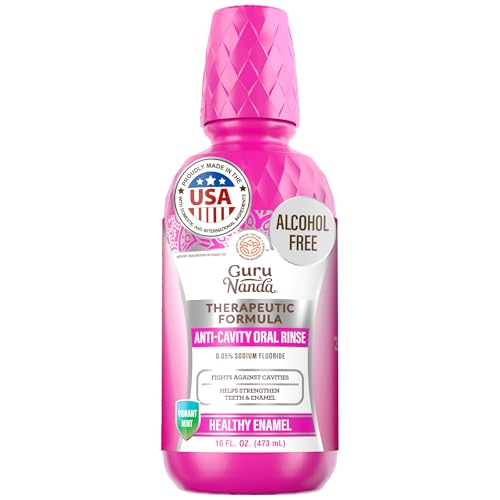
Unlike the CPC formulas, this single mint rinse centers on sodium fluoride for cavity protection. It contains 0.05% sodium fluoride, and GuruNanda says the formula helps defend against cavities and support enamel strength. The 16-ounce bottle fits a buyer who wants fluoride care without adding a gum-focused rinse to the routine. It is not the best match for someone primarily seeking a CPC rinse for gum care, since this formula’s active ingredient is sodium fluoride.
Bottom line: Choose this if fluoride cavity care is your main priority.
GuruNanda CPC + Hydrogen Peroxide Set

This pairing differs from the fluoride set by including a 1.5% hydrogen peroxide oral rinse alongside a 0.05% CPC rinse. GuruNanda says the CPC formula supports gum health, while the hydrogen peroxide formula helps cleanse the mouth and support comfort for irritated mouths. It suits buyers seeking both of those rinse types. The set is less suitable for someone whose main goal is fluoride-based cavity protection, because it pairs CPC with hydrogen peroxide rather than a sodium fluoride rinse.
Bottom line: Choose this if you want CPC gum care paired with a peroxide rinse.
How to choose a GuruNanda mouthwash
Choose by active ingredient first: CPC is the gum-focused option here, sodium fluoride is the cavity-focused option, and hydrogen peroxide is included in a rinse for irritated-mouth comfort. A fluoride rinse is an adjunct to brushing with fluoride toothpaste, not a replacement; mouthwash also does not replace flossing. If you want more than one goal, choose a set that pairs the relevant formulas rather than assuming one rinse does everything. For routine gum and cavity care, the CPC-plus-fluoride pairing is the most direct fit; for a single goal, the corresponding single rinse avoids an extra formula. Rinse for the product’s 30–60 seconds where provided, spit it out, and never swallow mouthwash.
What CPC, fluoride and peroxide rinses do
CPC, fluoride and hydrogen peroxide serve different roles, so their percentages are not directly comparable. CPC is an antiseptic ingredient used in mouth rinses to help reduce plaque and gingivitis as an addition to brushing and flossing. Fluoride helps strengthen enamel and reduce cavity risk; daily 0.05% sodium fluoride rinses are a common over-the-counter format. Hydrogen peroxide can release oxygen as it breaks down and is used in some oral rinses for cleansing. A rinse’s ingredient does not replace dental care: bleeding gums that persist, tooth pain, or mouth sores lasting more than two weeks warrant a dental professional’s advice. Children should not use mouthwash unless they can reliably spit it out.
How to fit a rinse into a daily routine
Use mouthwash as a supplement after brushing and flossing, not as a shortcut around either step. Most rinses are swished for about 30 to 60 seconds; the directions give that interval for several formulas here. Spit the rinse out and do not swallow it. For fluoride rinses, avoid eating or drinking for 30 minutes afterward when the label directs, so the fluoride remains in contact with teeth. Mouth rinses intended for adults are not appropriate for young children who may swallow them; many fluoride rinses carry an under-six restriction, so check the label’s age guidance. If irritation occurs, stop using the rinse and ask a dental professional whether its active ingredient suits you.
Common mouthwash selection mistakes
The most common mistake is choosing a rinse by mint flavor instead of its active ingredient. Mint does not tell you whether a formula contains CPC for gum-focused care, fluoride for cavity protection, or peroxide for cleansing. Another mistake is treating a rinse as a substitute for brushing twice daily with fluoride toothpaste and cleaning between teeth. Do not swallow mouthwash, and keep it out of reach of children; a child who cannot spit reliably can ingest the rinse. Finally, do not assume that a mouth rinse will resolve persistent bleeding, pain, or sores. Those symptoms can have causes that need professional assessment rather than a change in rinse.
Frequently Asked Questions
Can I use CPC and fluoride mouthwash together?
Yes, separate CPC and fluoride rinses can address different goals, as in the paired set here. Follow each label’s amount and timing, and do not swallow either rinse.
How long should I swish mouthwash?
Many mouth rinses are used for 30 to 60 seconds, and the GuruNanda formulas with directions here give that interval. Spit the rinse out afterward rather than swallowing it.
Does mouthwash replace brushing and flossing?
No, mouthwash is an add-on to brushing and cleaning between teeth. Brush twice a day with fluoride toothpaste; a rinse alone cannot remove plaque as effectively as mechanical cleaning.
Is fluoride mouthwash safe for young children?
Fluoride mouthwash should only be used by children who can reliably spit it out, because swallowing fluoride rinse is unsafe. Many products advise against use under age six; follow the age directions on the bottle.
When should bleeding gums be checked by a dentist?
Arrange a dental evaluation if gum bleeding persists despite consistent brushing and flossing, or occurs with pain or swelling. A CPC rinse may support gum care, but it cannot diagnose or treat the underlying cause.