
Best Fogger for Gnats: 5 Options by Use

For fungus gnats around indoor plants, Doktor Doom Total Release Fogger 12.5 oz is the clearest fit because it is a total release fogger intended for homeowner greenhouses and indoor gardening areas. Choose an outdoor option such as Repel Outdoor Camp Fogger 16 oz for patios or campsites instead; foggers aimed at flying adults do not address the moist potting media where fungus gnats develop.
We earn a commission if you buy through links on this page. As an Amazon Associate I earn from qualifying purchases. Products are compared on manufacturer specifications, not hands-on testing.
- Best overall: Doktor Doom Total Release Fogger 12.5 oz – Its uses include controlling fungus gnats in homeowner greenhouses and indoor gardening areas.
- Best for outdoors: Repel Outdoor Camp Fogger 16 oz – It is an outdoor fogger that lists gnats and is intended for patios, campsites, backyards, and picnic areas.
- Best for greenhouse pests: Atticus Ascertain TR Greenhouse Fogger – Its 12-can pack is a greenhouse fogger listing fungus gnats among its target pests.
| Product | Best for | Use setting | Target pests | Container size | Shop |
|---|---|---|---|---|---|
| Doktor Doom Total Release Fogger 12.5 oz | Indoor growing | Greenhouses, indoor gardening | Fungus gnats, mites, aphids | 12.5 oz | Check Price on Amazon |
| Doktor Doom Total Release Fogger 3 oz | Small indoor spaces | Greenhouses, indoor gardening | Fungus gnats, mites, aphids | 3 oz | Check Price on Amazon |
| Atticus Ascertain TR Greenhouse Fogger | Greenhouse treatments | Greenhouses | Fungus gnats, aphids, mites | 12-pack, 2 oz each | Check Price on Amazon |
| Repel Outdoor Camp Fogger 16 oz | Outdoor gatherings | Campsites, patios, backyards | Gnats, mosquitoes, flies | 16 oz | Check Price on Amazon |
| Bonide Mosquito Beater Flying Insect Fog | Ready-to-use fog | Flying insect control | Gnats, flies, mosquitoes | 64 oz; pack of 2 | Check Price on Amazon |
Foggers for Gnats
Match the fogger’s intended setting and target pest to where gnats are appearing.
Doktor Doom Total Release Fogger 12.5 oz

For indoor growing areas, Doktor Doom Total Release Fogger 12.5 oz is explicitly intended for homeowner greenhouses, fruit and vegetable storage areas, and indoor gardening spaces. The 12.5-ounce total release fogger targets fungus gnats as well as several other plant pests, and its formula is described as leaving no residuals. That makes it a direct match when gnats are associated with an indoor growing space. Its intended use is narrower than an outdoor camp fogger, so choose another option for patios or campsites. Because fungus gnat larvae live in moist growing media, a fogger aimed at flying insects may not solve the source of an infestation.
Bottom line: Choose this for fungus gnats in an indoor greenhouse or gardening area.
Doktor Doom Total Release Fogger 3 oz
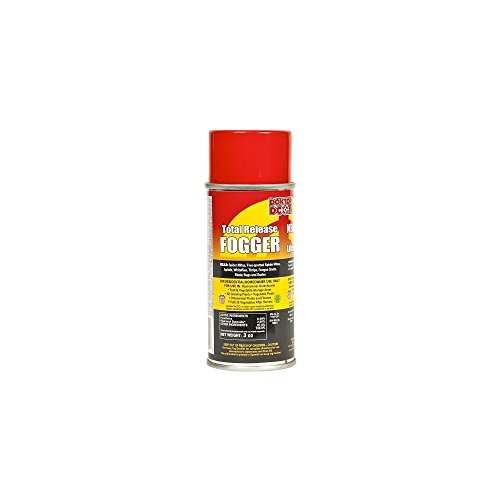
Doktor Doom Total Release Fogger 3 oz is the smaller Doktor Doom total release format, with a 3-ounce can for greenhouse and indoor gardening pest control. Its target list includes fungus gnats, spider mites, aphids, whiteflies, scale, mealy bugs, and thrips, so it suits a grow space where several pests are present. The specifications also describe use around ornamental plants, flowers, fruits, and vegetables, with no residuals. Unlike the 12.5-ounce format, this can is 3 ounces; the specifications do not establish room coverage, so check the label’s area directions before choosing it for a particular space.
Bottom line: Choose this when the 3-ounce format suits your growing area and label directions.
Atticus Ascertain TR Greenhouse Fogger

Unlike the single-can options, Atticus Ascertain TR Greenhouse Fogger comes as a 12-pack of 2-ounce total release greenhouse foggers. The target pests include fungus gnats, aphids, mites, thrips, and whiteflies; its features identify 4% bifenthrin as the active ingredient. That broader pest list may suit a greenhouse where fungus gnats are not the only concern. The product is framed for greenhouse use, not general outdoor areas or ordinary rooms, so do not treat the pack size as a room-coverage figure. Use only in the setting and manner allowed by its label, particularly around plants and people.
Bottom line: Choose this for a greenhouse needing a multi-can fogger and broader pest targets.
Repel Outdoor Camp Fogger 16 oz
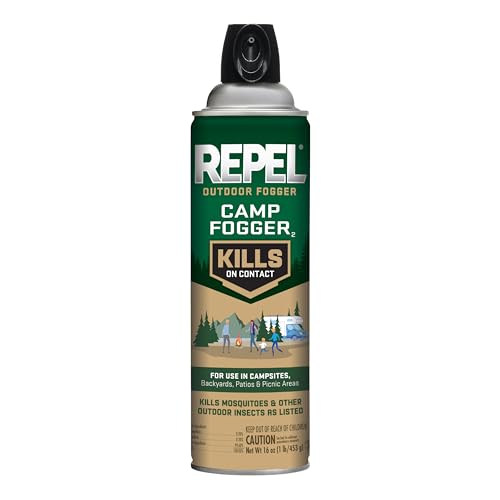
Repel Outdoor Camp Fogger 16 oz is the outdoor choice: its 16-ounce aerosol is intended for campsites, backyards, patios, and picnic areas, and it lists gnats among insects killed on contact. The features say to spray when the air is still, allow a few minutes to take effect, and repeat only as necessary, no more than once per day. This is a better setting match for nuisance gnats around an outdoor gathering than a greenhouse total release fogger. It is not intended for indoor growing spaces, and its contact action does not address larvae developing in potting mix.
Bottom line: Choose this for gnats around an outdoor patio, campsite, or picnic area.
Bonide Mosquito Beater Flying Insect Fog

Bonide Mosquito Beater Flying Insect Fog is a ready-to-use flying-insect fog for buyers who want a liquid format that requires no mixing. Unlike a total release greenhouse can, this is presented as flying-insect control rather than a treatment specifically for indoor growing media. Consider it for flying pests where its label permits use, but do not assume it will control the fungus gnat life stages developing in wet potting soil.
Bottom line: Choose this for ready-to-use fogging of flying gnats where its label allows.
How to choose a fogger for gnats
Start with the setting and the gnat’s breeding site, not just the adult insects in the air. Fungus gnats are associated with damp potting mix, where larvae develop; reducing excess moisture and letting the surface of the mix dry between waterings can help make the growing area less favorable. A fogger aimed at flying adults is not a substitute for addressing that source. For outdoor nuisance gnats, choose a product specifically labeled for outdoor use and the target pest. For greenhouse or indoor gardening use, select a fogger whose label permits that setting and plants present. Never use an outdoor fogger indoors or treat edible plants unless the label permits it.
Indoor and outdoor foggers compared
Indoor growing foggers and outdoor flying-insect fogs are different tools, so match the product to its labeled location. Total release foggers are released into an enclosed space, while an aerosol or liquid fog is applied as directed to an area; the label determines how to prepare, apply, and re-enter. Use this comparison to narrow the setting before considering can size or pack count.
| Need | Fogger type | Important distinction |
|---|---|---|
| Fungus gnats in indoor growing | Greenhouse total release | Check that the label allows the space and plants present |
| Gnats around a patio or campsite | Outdoor fogger | Use only in its outdoor setting |
| Flying insects, no mixing | Ready-to-use flying-insect fog | Confirm that gnats and the intended location are covered |
A large can or multi-can pack does not by itself indicate the square footage it can treat. Compare the labeled treatment area and application directions for the actual space.
Using foggers around people, pets, and plants
Use pesticide foggers only according to their label, including directions on room preparation, evacuation, ventilation, and re-entry. Total release products require particular care because the fog disperses through an enclosed area; keep people and pets out for the label’s required period and protect food and food-contact surfaces as directed. Plant safety is also product-specific: a fogger intended for a greenhouse is not automatically suitable for every crop, room, or ornamental plant. Before treatment, verify that the intended location and plants are permitted, and do not exceed the label’s treatment frequency. For the outdoor Repel product, the use directions say to apply in still air and not repeat more than once per day.
Why fungus gnats return after fogging
Fungus gnats can reappear when damp potting media continues to support larvae, even after flying adults are knocked down. Letting the top layer of potting mix dry between waterings is a practical first step; avoid leaving plant pots standing in water. Yellow sticky cards can help monitor adult activity, but they do not remove larvae from the soil. If you use a pesticide fogger, treat only where its label allows and consider the whole life cycle rather than repeating a fogging treatment more often than permitted. A persistently wet growing medium may point to overwatering or poor drainage, so correcting that condition is often more useful than treating visible adults alone.
Frequently Asked Questions
Do foggers kill fungus gnat larvae in potting soil?
A fogger targeting flying adults should not be assumed to reach larvae in potting mix. Fungus gnat larvae develop in moist media, so let the surface dry between waterings and use only products labeled for the plants and setting.
How can I reduce fungus gnats without fogging?
Allow the top of the potting mix to dry between waterings and avoid standing water beneath pots. Yellow sticky cards can monitor adult gnats, but they do not control larvae in the growing media.
Can an outdoor gnat fogger be used indoors?
No—use an outdoor fogger only in a location its label permits. For indoor spaces, choose a product explicitly labeled for that use and follow its evacuation and re-entry directions.
How often can I reapply the Repel outdoor fogger?
The product’s directions allow repeat treatment as necessary, but no more than once per day. Apply when the air is still and allow a few minutes for the product to take effect.
What should I check before fogging a greenhouse?
Confirm that the label permits the greenhouse, the plants present, and any edible crops or produce in the area. Total release foggers also require following label directions for people and pets to leave and for safe re-entry.